
Brewing Guides
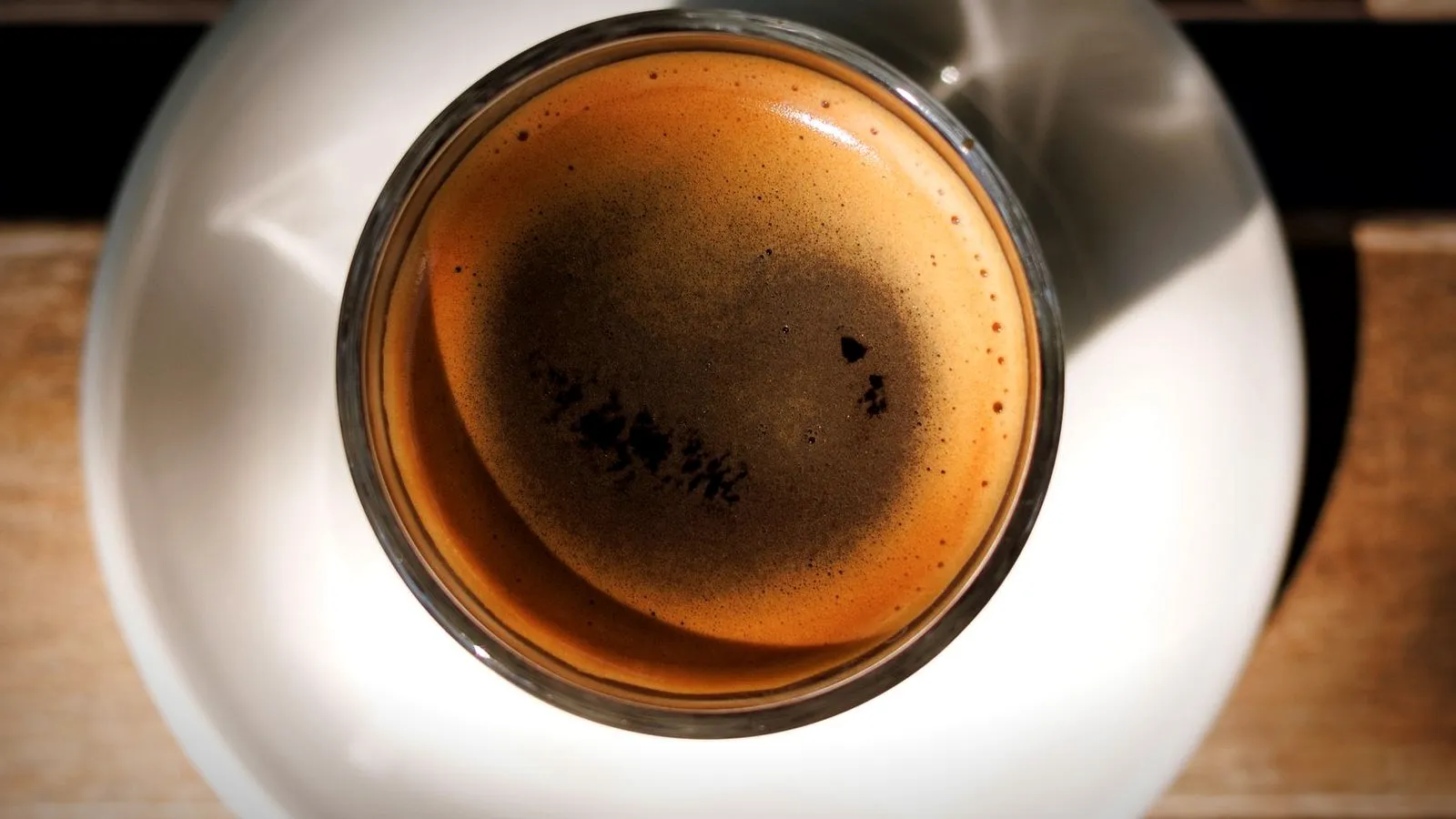
Espresso Crema: What It Is and How to Get Good Crema
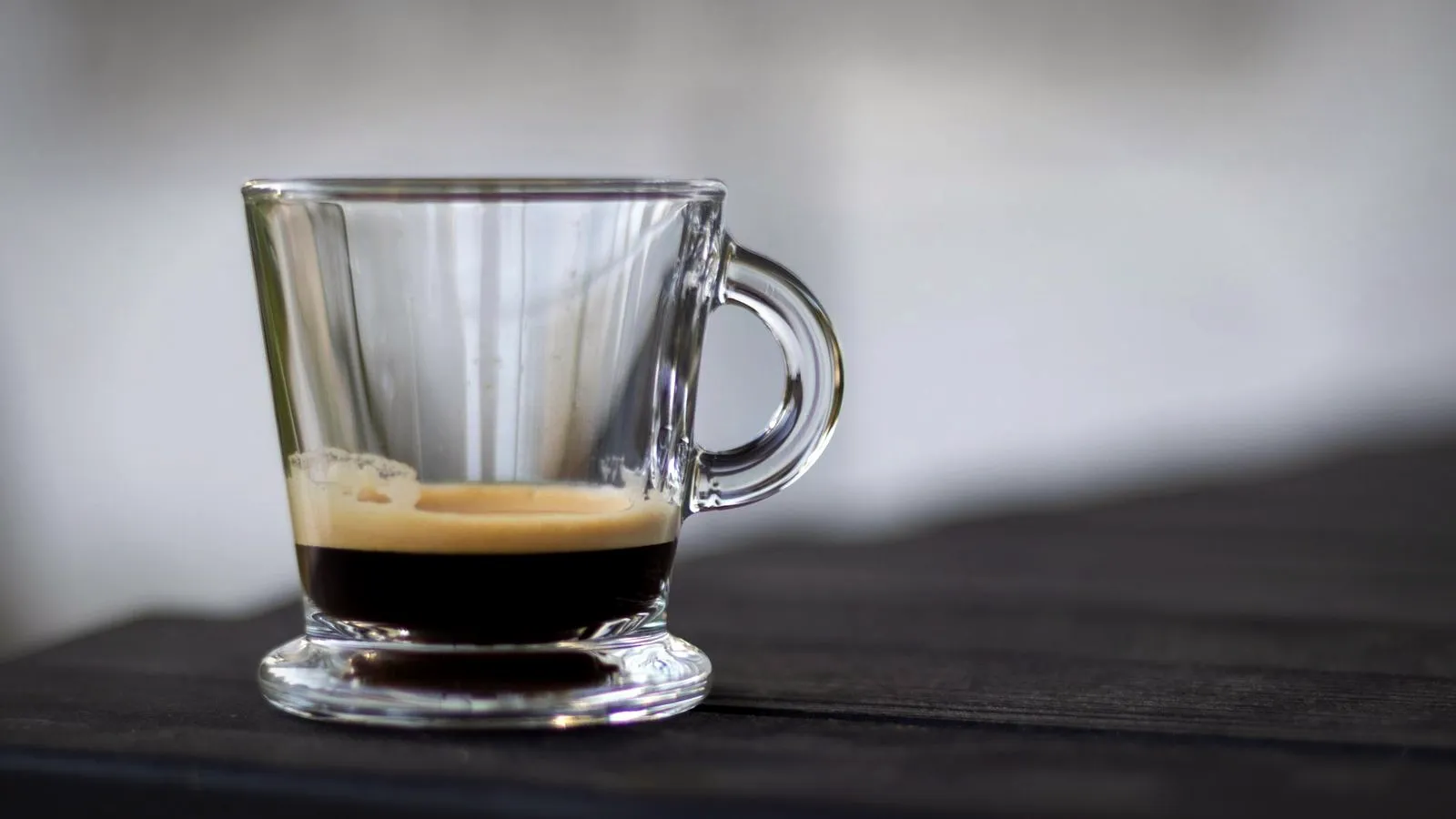
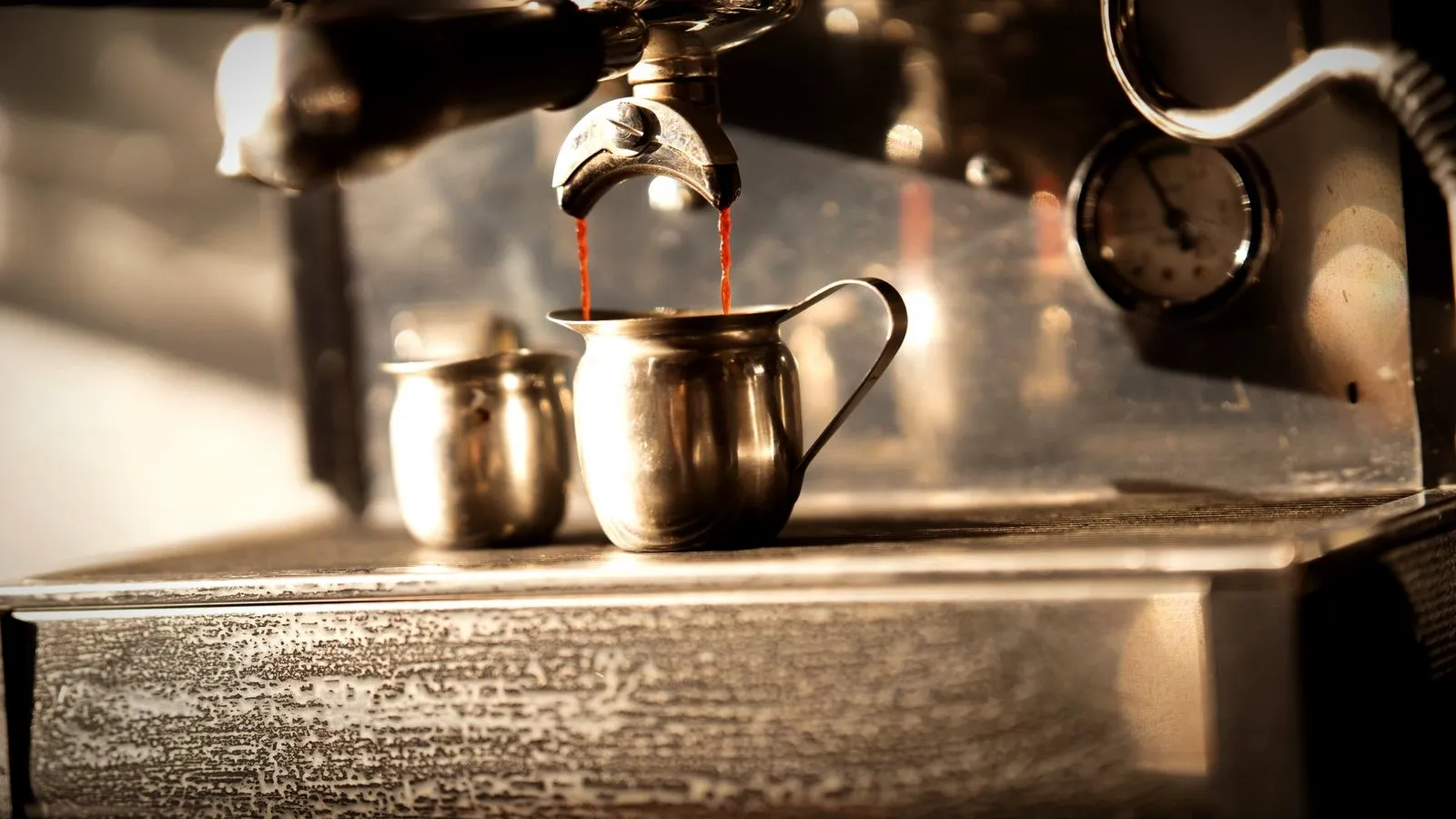
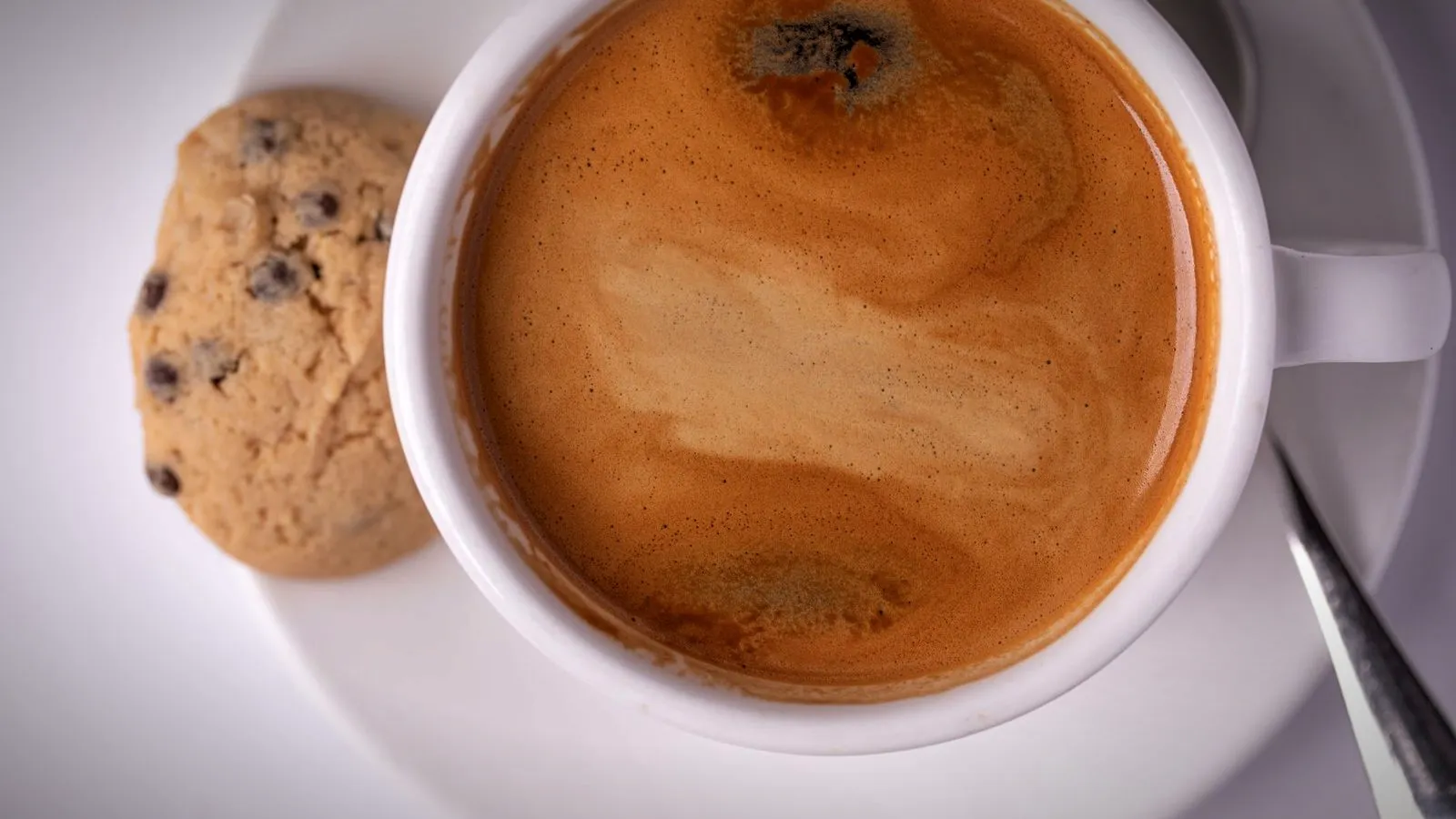
Espresso crema is the foam of CO2 bubbles, coffee oils and fine particles on a fresh shot. Learn how it forms, what good crema looks like and why yours is thin.
Step-by-step espresso technique for home baristas: using your machine, dialing in the grind, pulling a balanced shot, crema and steaming milk.
Espresso crema is the foam of CO2 bubbles, coffee oils and fine particles on a fresh shot. Learn how it forms, what good crema looks like and why yours is thin.
DeLonghi descale steps from De'Longhi's own manuals for the Magnifica, Dedica, La Specialista and Stilosa, plus which descaler to use and how often to run it.
An espresso machine water filter cuts scale and chlorine. Learn which water to use, the SCA targets, and how to fit Breville and De'Longhi filters.
How to descale a Breville espresso machine: the exact steps from Breville's own manuals for the Barista Express, Pro, Touch, Bambino, Dual Boiler and Oracle.
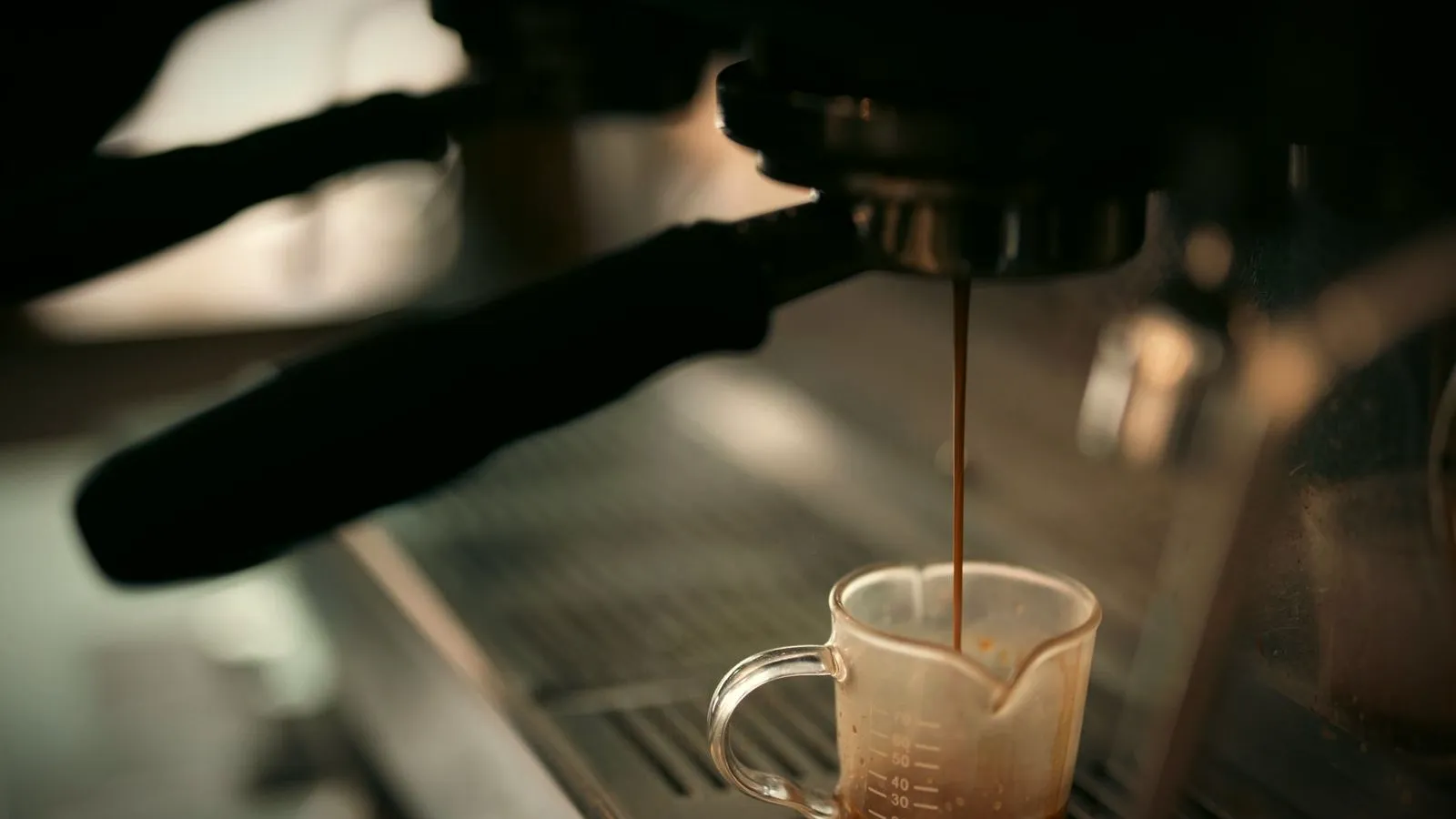
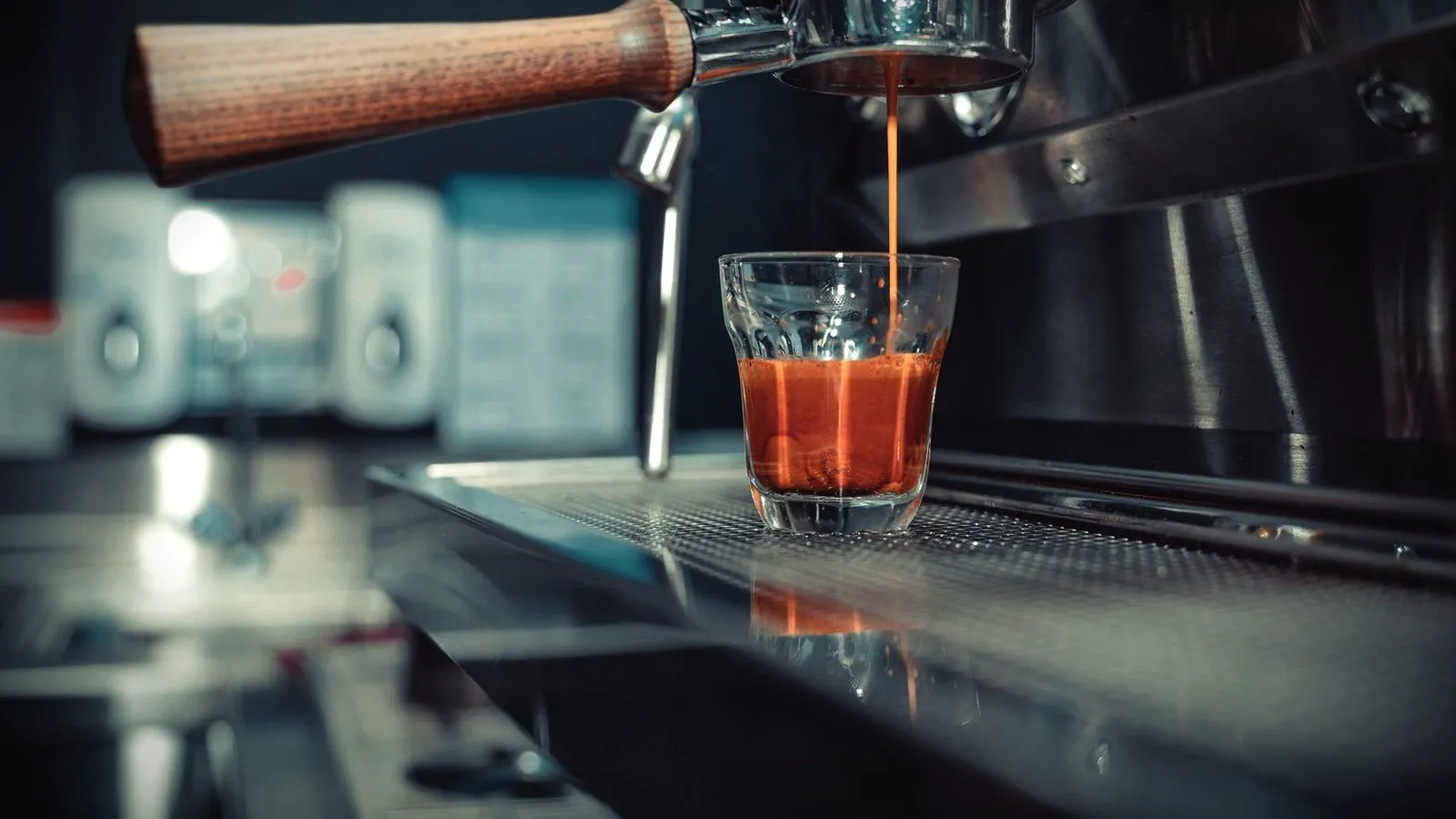
How to make espresso with a machine: grind 18 g of coffee fine, tamp it level and pull about 36 g in 25–30 seconds. Plus shot sizes in ounces and gear you need.
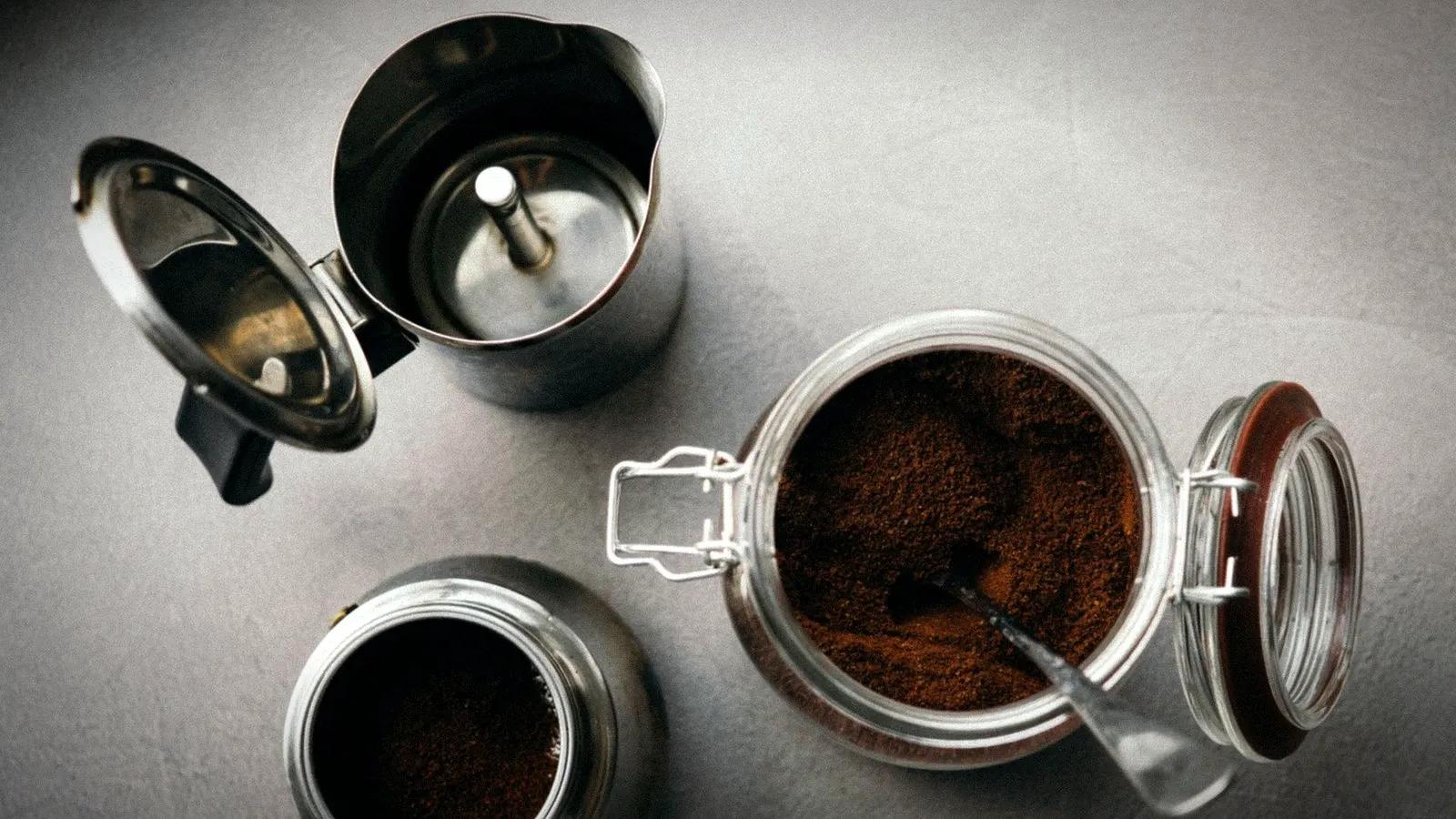
The best coffee for a moka pot is a fresh medium to medium-dark roast, ground medium-fine. A checklist for roast, grind, pre-ground bags, blends and decaf.
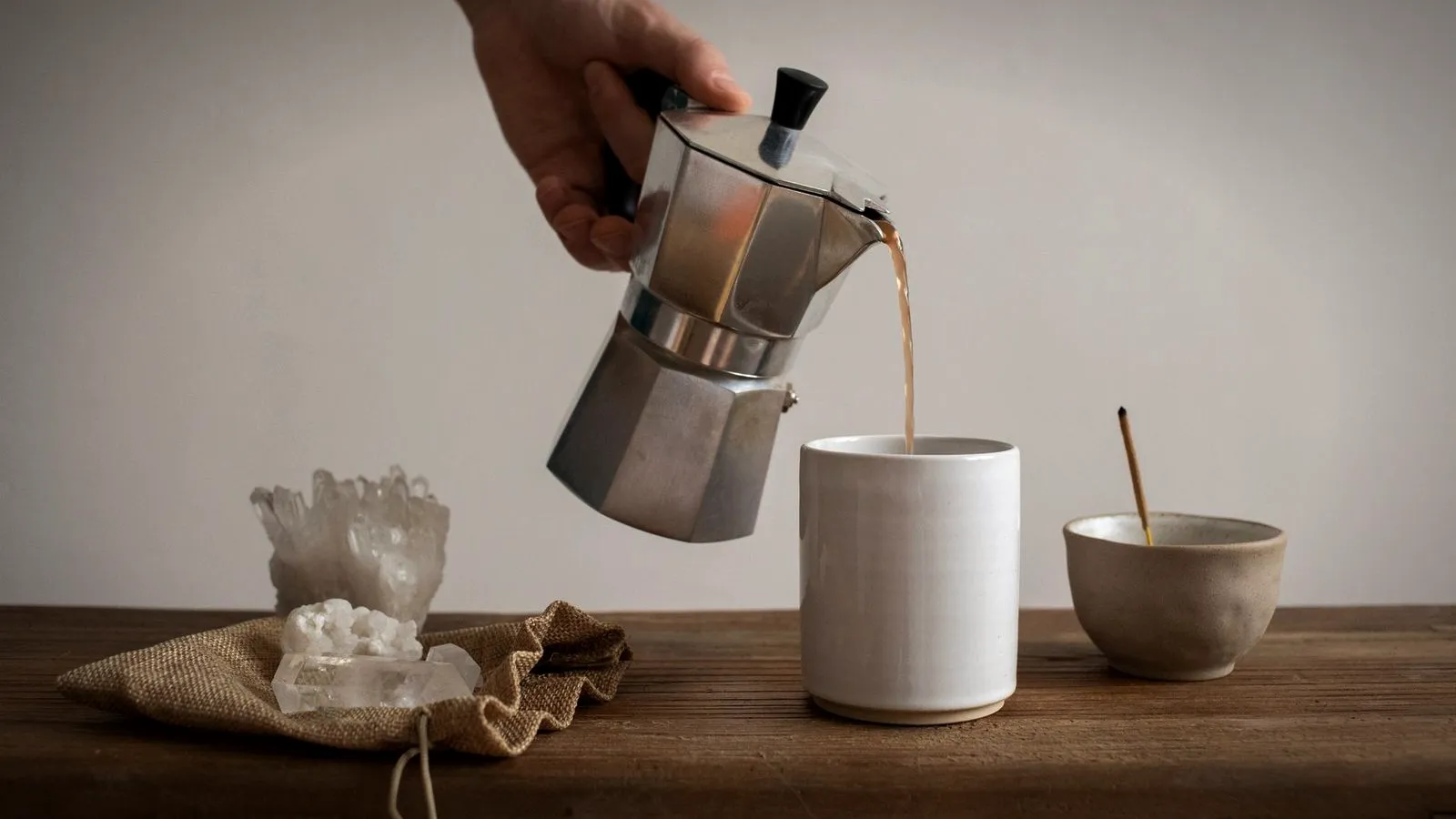
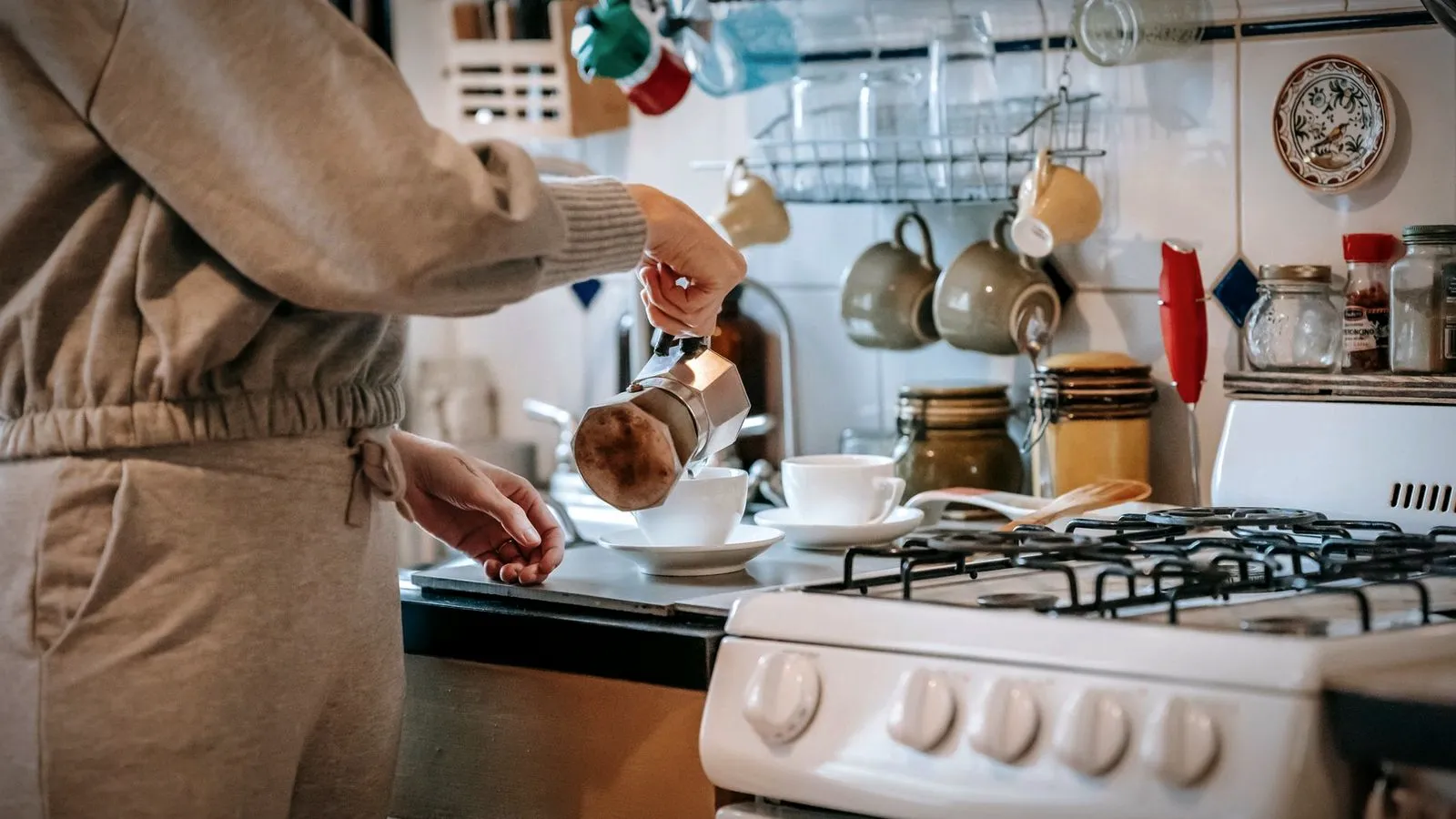
How to make espresso without a machine: a manual lever press makes true espresso; a moka pot, AeroPress or French press makes strong coffee. Recipes and ratios.
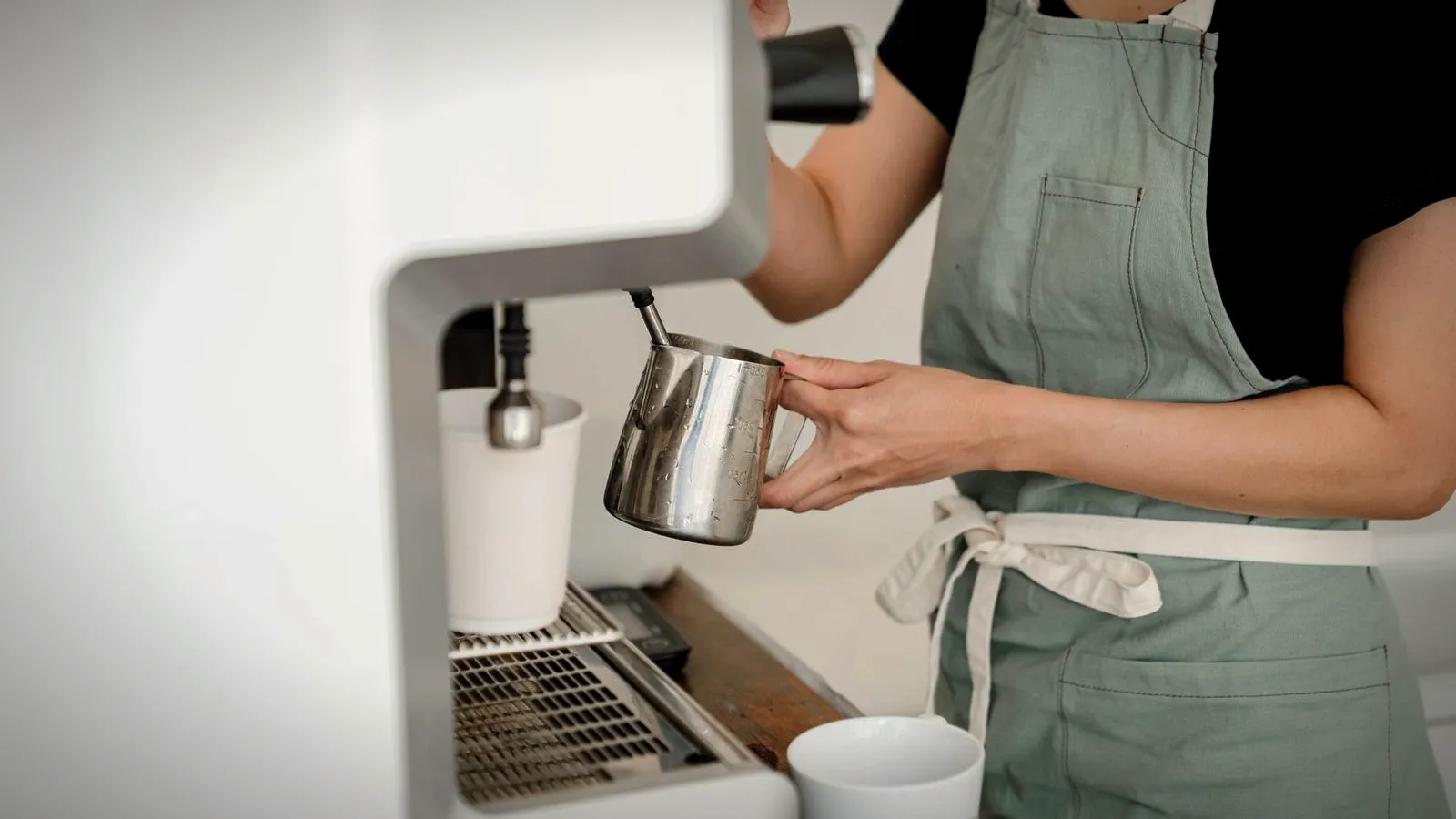
How to steam milk: purge the wand, stretch cold milk for 5–10 seconds, then swirl it to 60–65 °C. Plus pitcher sizes, oat milk tips and no-steamer methods.
How to descale an espresso machine step by step: how often to do it, descaler vs vinegar per the manuals, and what dual boiler and HX machines need.
Espresso brew temperature is usually 90–96 °C (195–205 °F), with 93 °C a common default. See the standards, roast tweaks, machine types and how to measure it.
Espresso shot time is usually 25–30 seconds for a double, timed from the button press. Learn when to start the clock and what fast or slow shots tell you.
Why is my espresso sour? Usually it is under-extracted: grind too coarse, a fast shot or cool water. Find your cause in the table and fix one thing at a time.
Dialing in espresso means adjusting grind, dose and yield until a shot tastes balanced. Follow our step-by-step method, dial-in chart and a simple log.
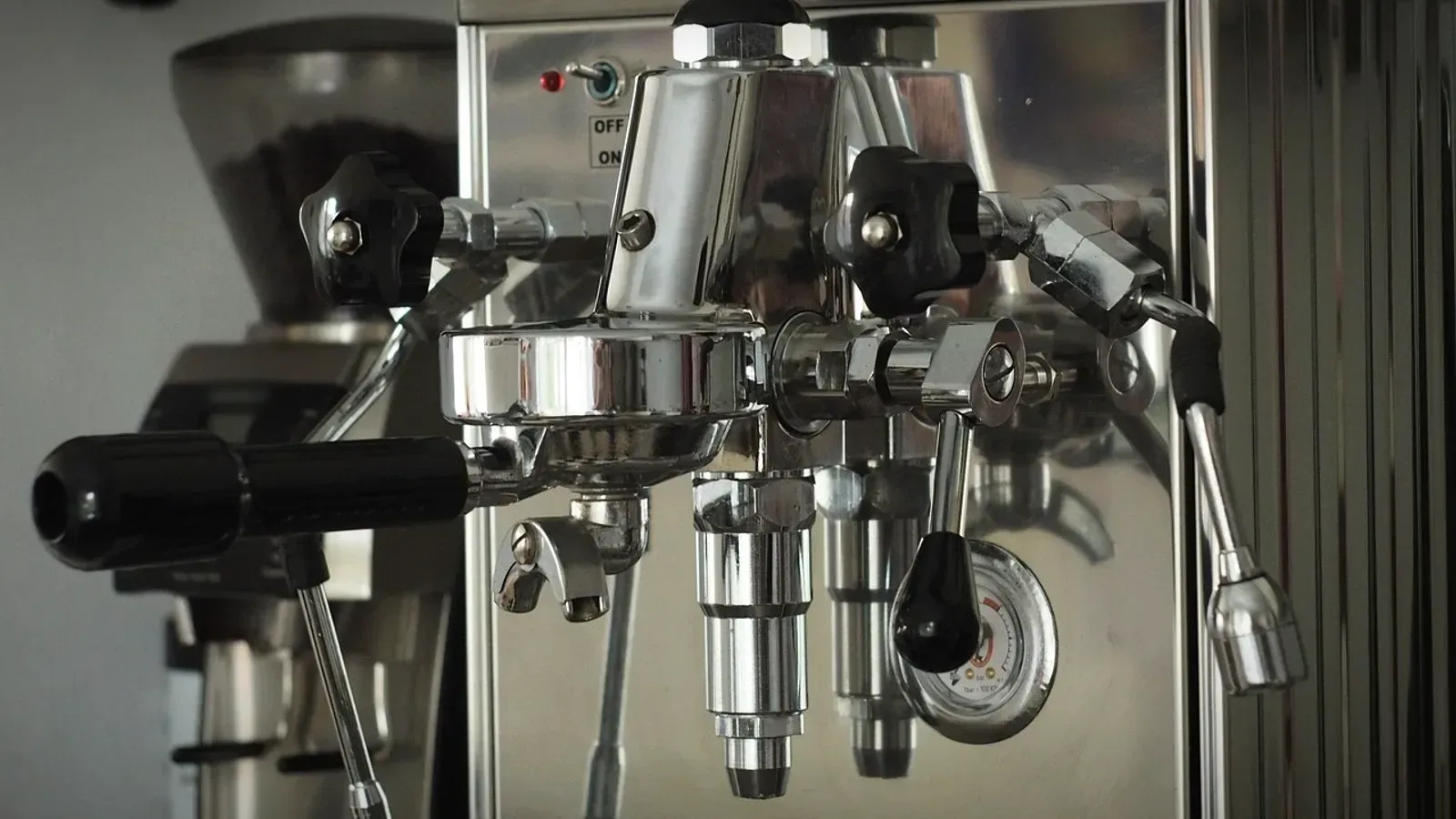
An espresso machine pressure gauge should read about 9 bar during a shot. Learn brew vs boiler gauges, why boxes say 15 bar and what to check before buying.
Espresso ratio is grams of coffee in to grams of espresso out. See the 1:2 standard, a ristretto to lungo chart and how to adjust yield and grind for taste.
How to backflush an espresso machine: water-only and detergent steps from maker manuals, how often to do it, and which machines should never be backflushed.
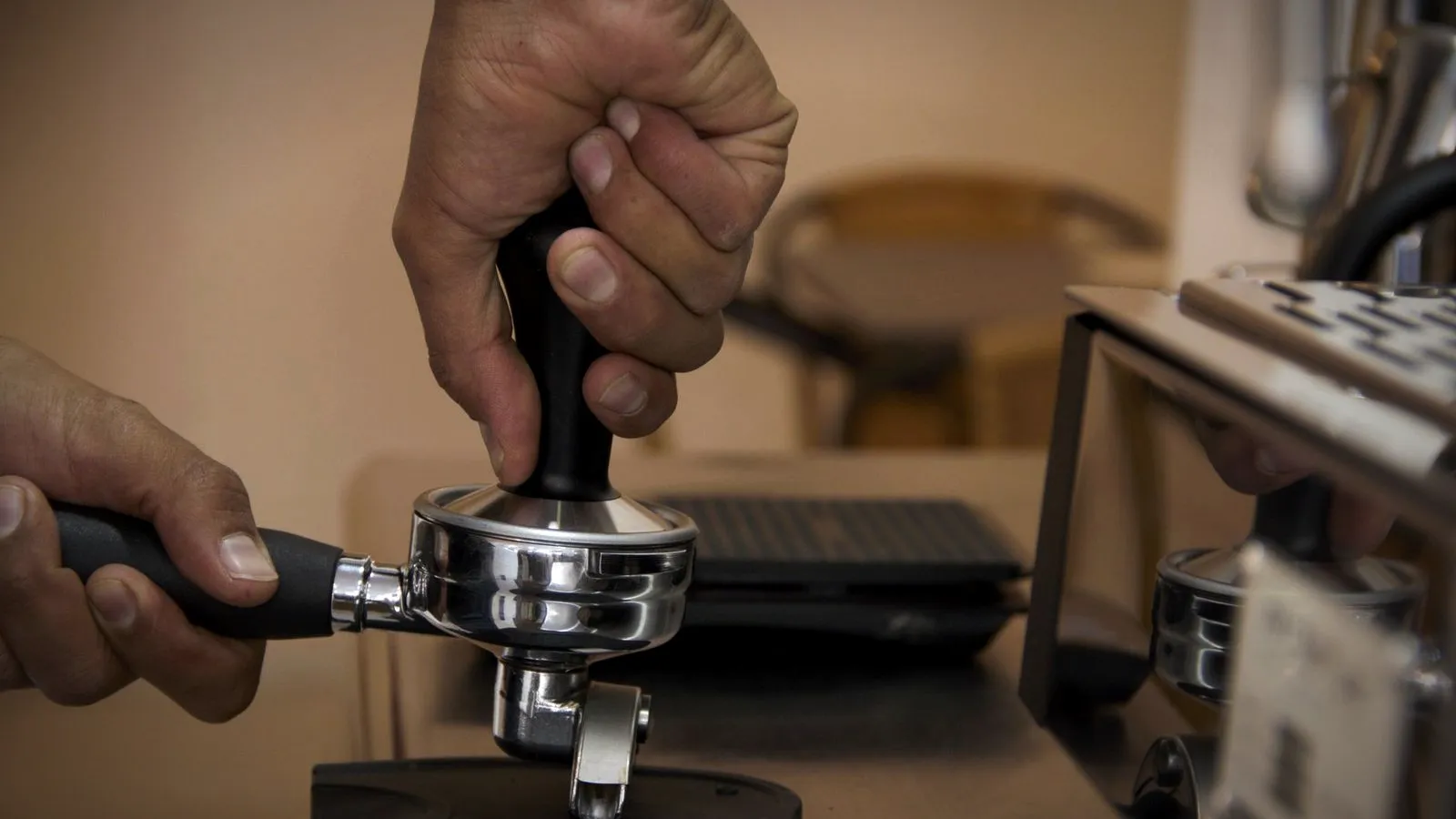
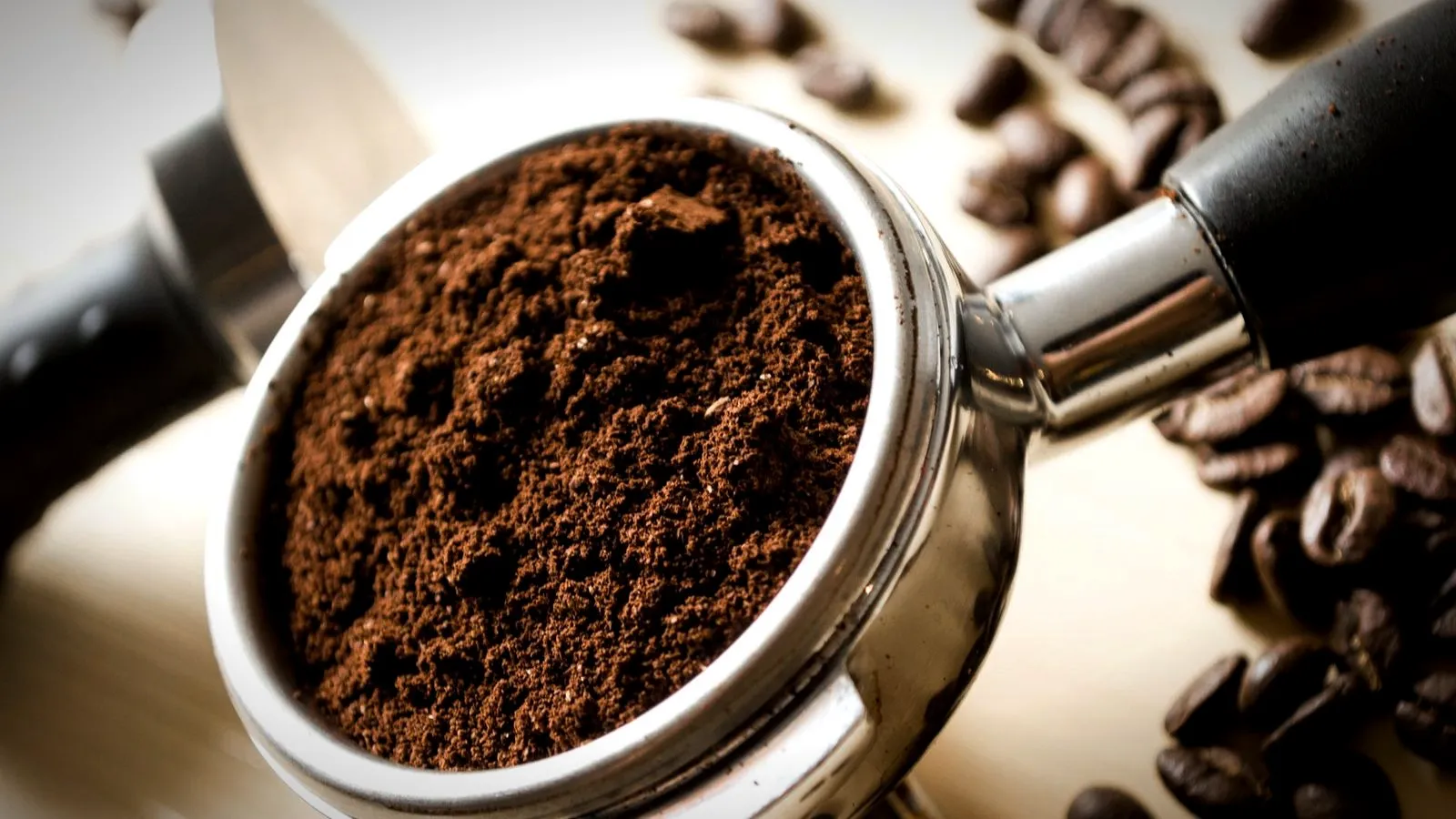
How to tamp espresso: spread the grounds evenly, press straight down until firm and level, then wipe the rim. Plus how hard to tamp, tamper sizes and fixes.
Bitter espresso usually means over-extraction: grind too fine, shot too long or water too hot. Find your cause in our table and fix it in the right order.
Espresso grind size explained: how fine to grind, what it looks like, how grind changes shot time and taste, and how to adjust it one small step at a time.
How to clean an espresso machine: what to do after every shot, daily and weekly, when to backflush and descale, and which cleaners your manual says to avoid.
How to use a moka pot: fill water to the valve, add medium-fine coffee without tamping, brew on low heat and stop at the gurgle. Plus cleaning and fixes.
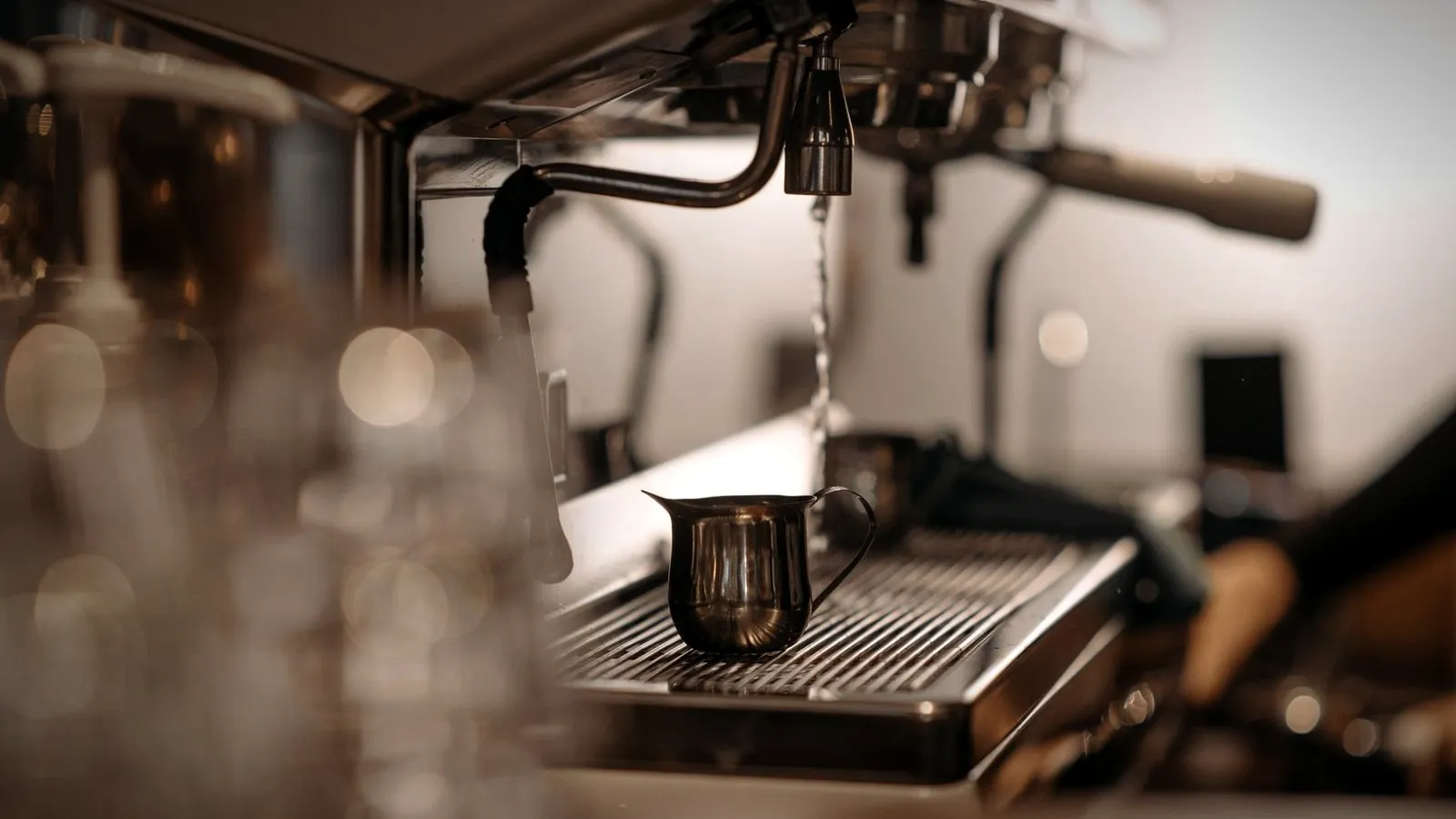
How to use an espresso machine at home, step by step: first-time setup, dose, grind, tamp, pull a 25–30 second shot, steam milk and clean the machine properly.