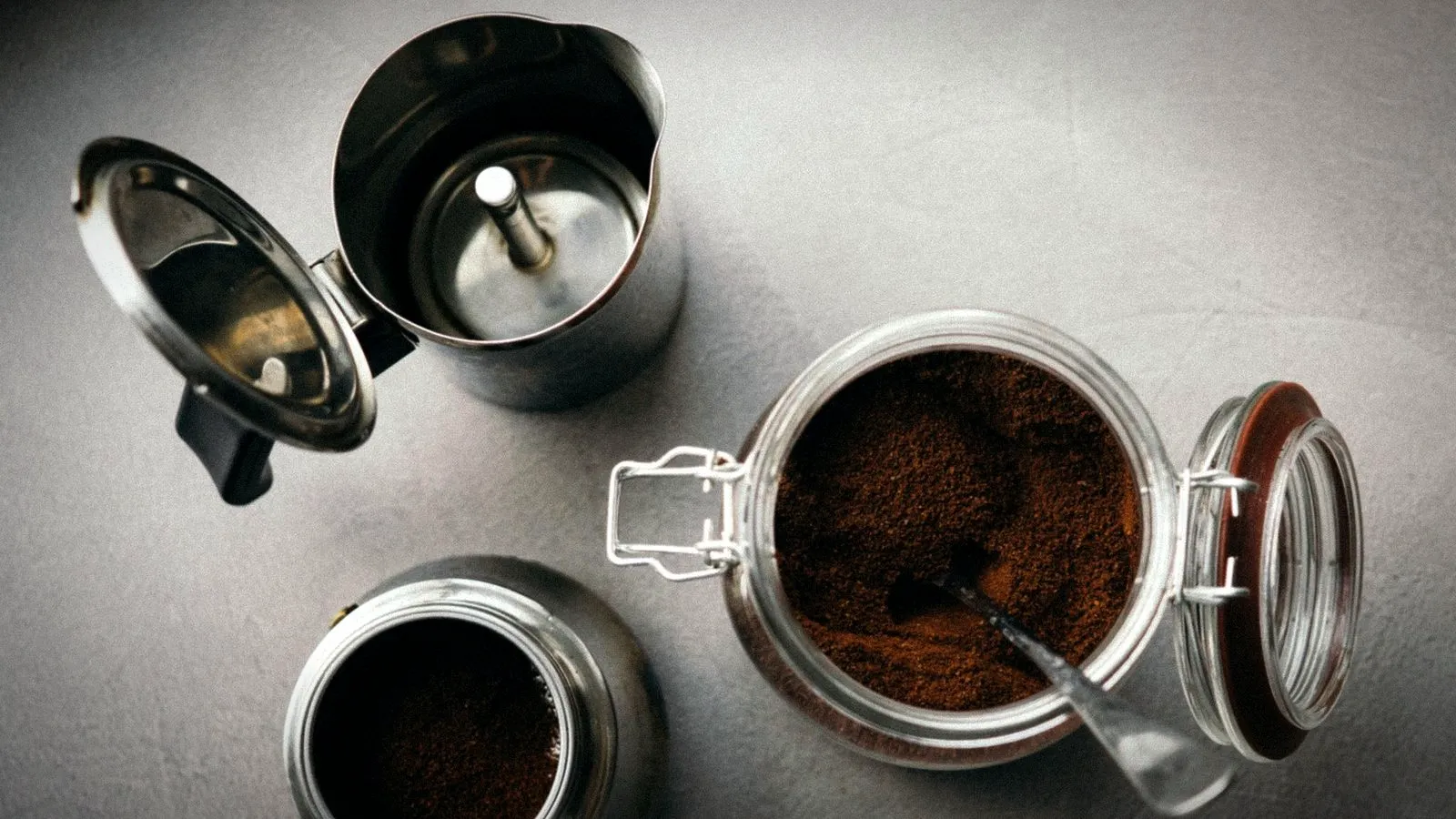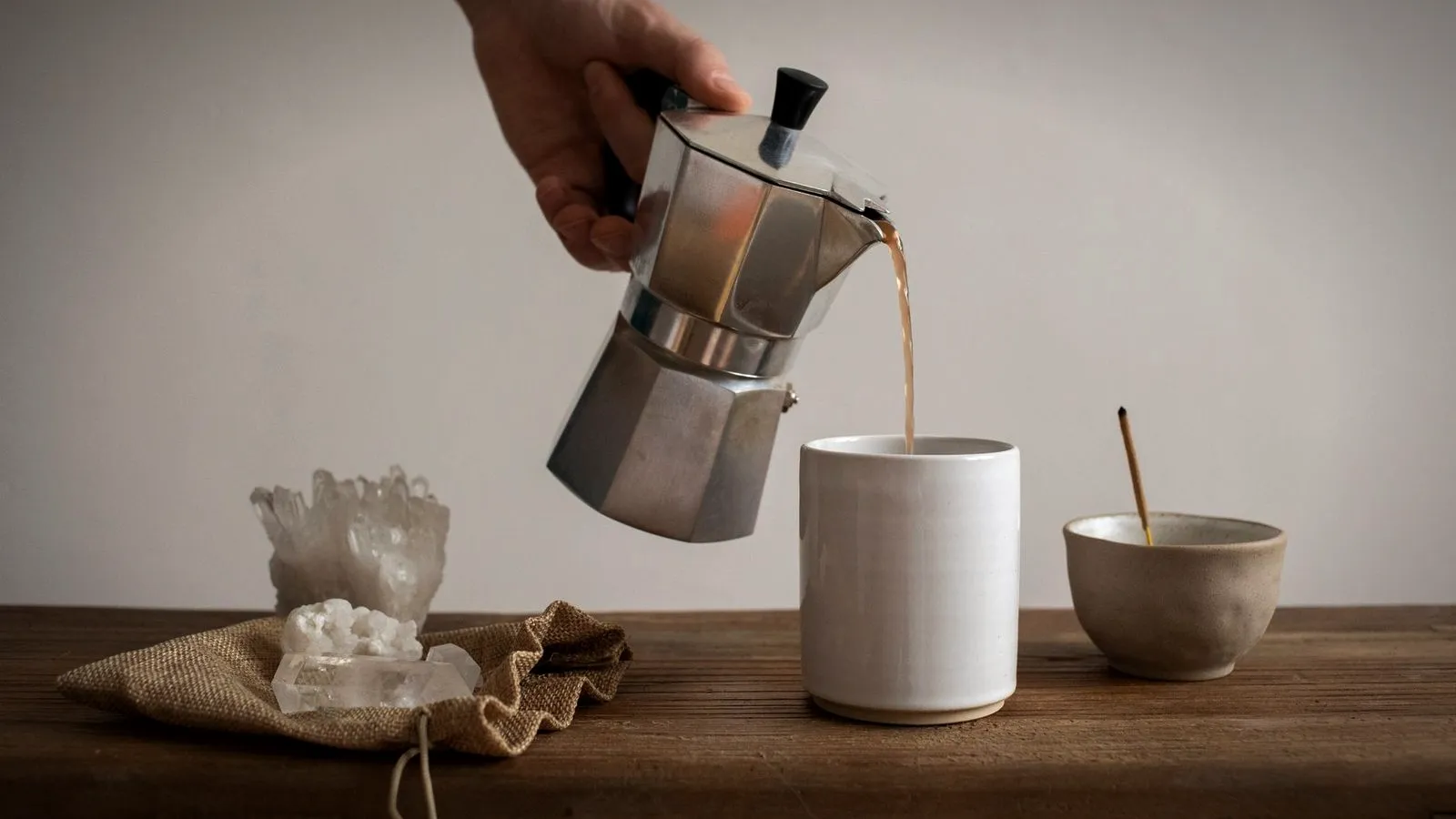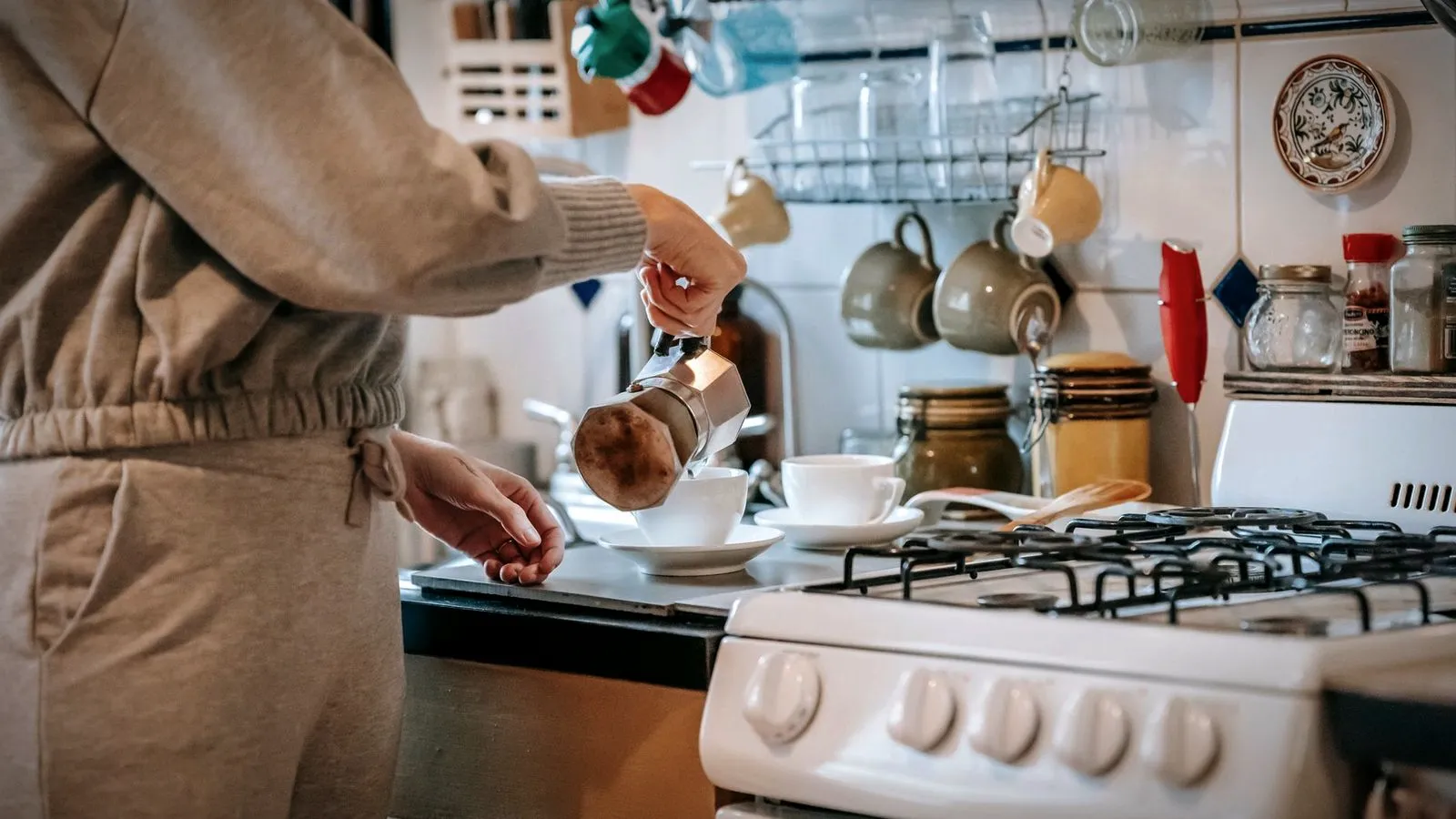
To use a moka pot, fill the bottom chamber with water up to the safety valve, fill the funnel with medium-fine ground coffee without tamping, screw the pot together and heat it on low to medium. Take it off the heat as soon as it starts to gurgle. The whole process takes only a few minutes.
That is the core of how to use a moka pot, but small details decide whether you get rich, sweet coffee or a bitter, burnt cup. This guide walks through each step using the manufacturer’s own instructions, then covers grind size, heat, cleaning, gasket care and fixes for common problems. If you are new to espresso-style coffee, our explainer on the espresso maker vs espresso machine difference shows where the moka pot fits.
The short answer
| Step | What to do |
|---|---|
| Water | Fill the base to just below the safety valve |
| Coffee | Fill the funnel full and level; do not tamp |
| Grind | Medium-fine: finer than drip, coarser than espresso |
| Heat | Low to medium; flame no wider than the base |
| Stop | Remove from heat at the first gurgle or sputter |
| Serve | Stir in the top chamber, then pour |
| Clean | Rinse with warm water only; no soap, no dishwasher |
Parts of a moka pot
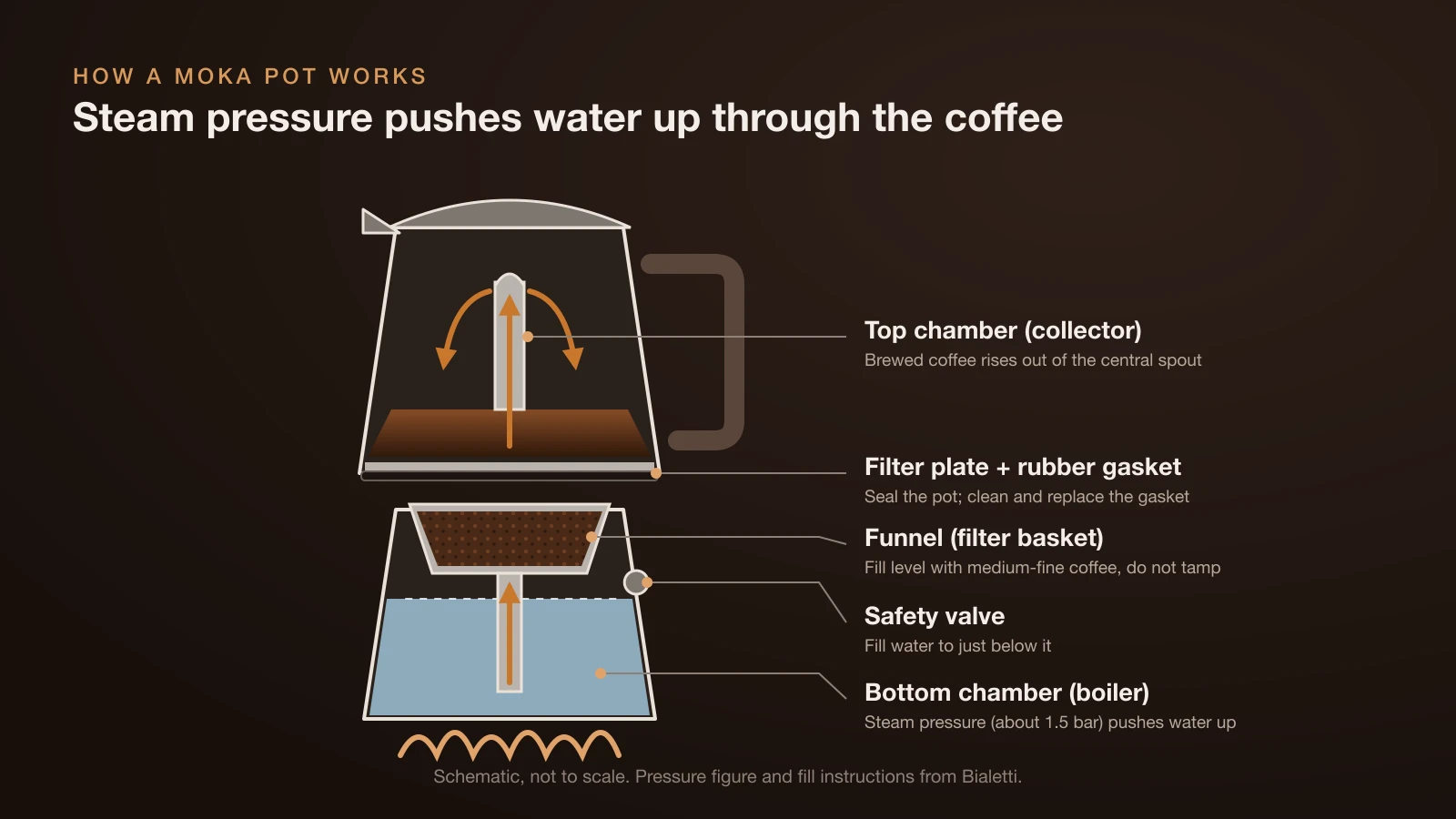
A moka pot has three main parts, and knowing them makes the steps easier to follow.
- Bottom chamber (boiler): holds the water. It has a small safety valve on the side.
- Funnel (filter basket): holds the ground coffee and sits inside the bottom chamber.
- Top chamber (collector): screws onto the base. It has a metal filter plate, a rubber gasket and the spout where the coffee rises.
As the water heats, steam pressure builds in the base and pushes hot water up through the coffee and into the top chamber. Bialetti puts that pressure at about 1.5 bar.
How to use a moka pot, step by step
- Fill the base with water. Pour room-temperature water into the bottom chamber up to the safety valve, but not over it. Bialetti warns that going higher makes the coffee watery, and the valve must stay clear.
- Insert the funnel. Drop the empty funnel into the base.
- Add the coffee. Fill the funnel with ground coffee until it is full, then level it with a finger or knife. Do not press or tamp it.
- Clean the rim. Brush any grounds off the rim of the funnel and the threads of the base, so the gasket can seal.
- Screw the pot together. Hold the base, not the handle, and screw the top on firmly but not with force. Bialetti advises tightening until the gasket just begins to resist.
- Heat on low to medium. Put the pot on the burner with the lid open. On gas, keep the flame from reaching past the edge of the base, which can damage the handle.
- Watch the coffee rise. After a few minutes, coffee will start to flow from the spout. It should come out steadily and fairly dark.
- Stop at the gurgle. When the flow turns pale and you hear a gurgling or sputtering sound, the base is nearly empty. Take the pot off the heat right away.
- Stir and serve. Stir the coffee in the top chamber, because the first and last parts of the brew taste different, then pour.
Tip: stop the brew fast
Some people run the base under cold tap water or wrap it in a cold, damp towel as soon as the gurgle starts. That stops the pressure quickly and prevents the last, bitter part of the brew from reaching the cup. Use a towel or oven mitt, because the base is very hot.
Grind size for a moka pot
Moka coffee needs a grind that is finer than drip coffee but coarser than espresso. Bialetti describes moka coffee as a coarser grind than espresso. A good visual target is about like table salt or fine sand, a step coarser than an espresso grind.
| Grind | What happens |
|---|---|
| Too fine (espresso or powder) | Slow, choked flow; bitter taste; can clog the filter plate |
| Medium-fine | Steady flow, full body, balanced flavor |
| Too coarse (drip or French press) | Fast flow, weak and sour coffee |
Pre-ground coffee labeled for espresso or moka is usually close enough. Our guide to espresso grounds explains when pre-ground coffee is a sensible choice and what to look for on the bag. For roast level and bean choice, see our guide to the best coffee for a moka pot.
How much coffee and water to use
A moka pot has a fixed ratio built in: fill the base to the valve and fill the funnel level. You do not need a scale for everyday brewing.
The “cup” size on a moka pot refers to small espresso-style cups, not mugs. Bialetti describes these as about 2 oz each and lists these yields for its Moka Express range:
| Pot size | Approximate yield |
|---|---|
| 1 cup | 2 oz |
| 3 cup | 4.4 oz |
| 6 cup | 9.1 oz |
| 9 cup | 14.2 oz |
| 12 cup | 22 oz |
A 3-cup pot makes a strong drink for one person; a 6-cup pot suits two. Moka pots work best when full, so choose the size you will actually fill.
Heat level and stove types
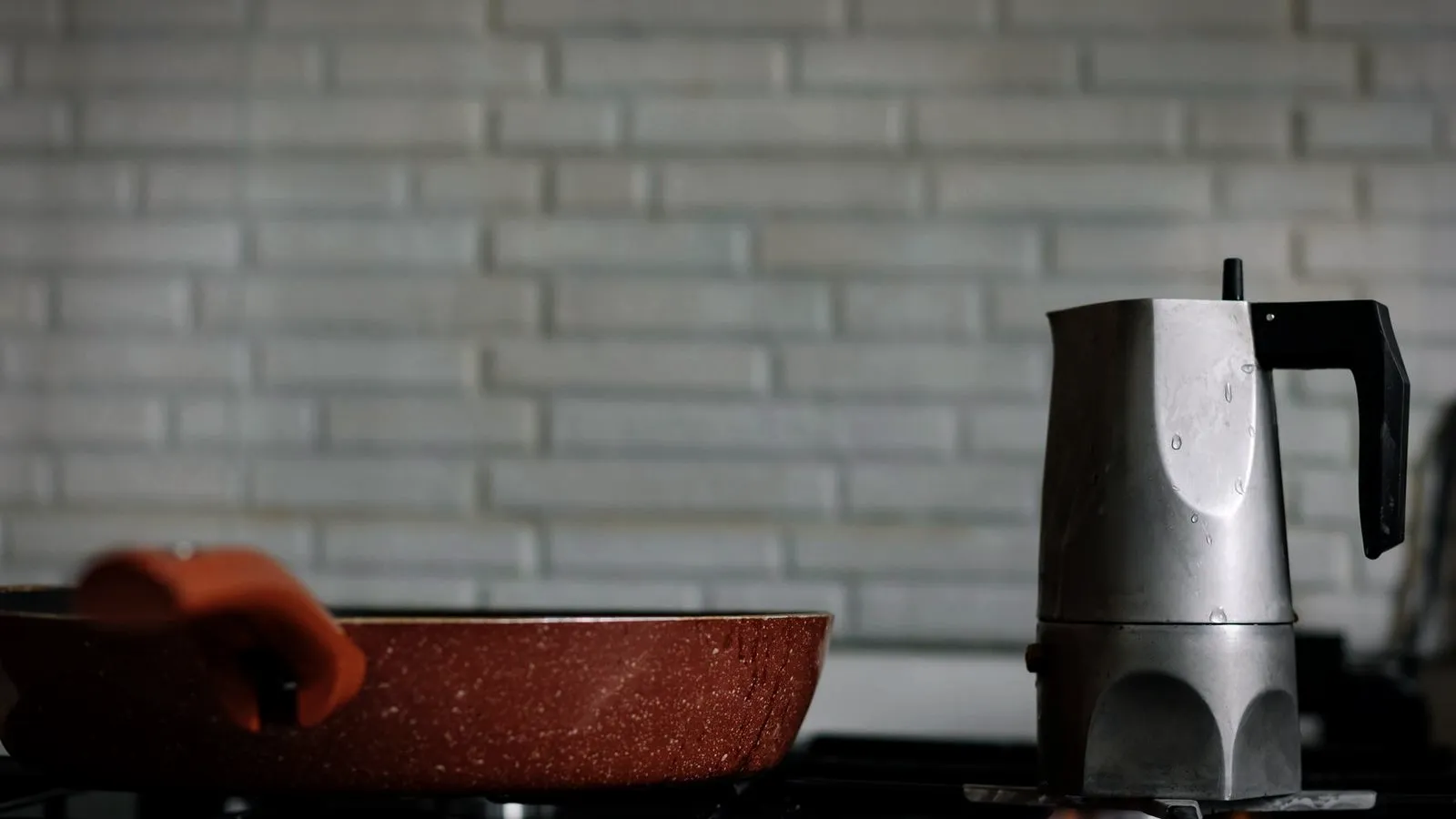
Low to medium heat is the single most important habit. Bialetti’s own instruction is to set the heat low and take your time.
- Gas: keep the flame under the base. A flame that climbs the sides can scorch the handle and overheat the gasket.
- Electric coil or ceramic: use a burner close to the pot’s base size. Bialetti lists the aluminum Moka Express as compatible with electric hobs.
- Induction: a classic aluminum moka pot will not heat on induction by itself. Bialetti says it can be used with its induction adapter plate, or you can buy a stainless steel induction model.
- Camping stove: works well on low flame; use a windscreen so the flame stays under the base.
First use: season a new moka pot
Before your first real coffee, Bialetti recommends washing the pot with water only, with no detergents or abrasive products. Then run a cycle with water alone, followed by three full brews with coffee that you throw away. The coffee oils leave a thin layer inside the pot that Bialetti says protects later brews and improves aroma.
How to clean a moka pot and care for the gasket
Bialetti’s care rules for the aluminum Moka Express are short:
- Let it cool, then unscrew it and knock out the used grounds.
- Rinse all parts with warm water only. Do not use soap or detergents, and do not put it in the dishwasher. Bialetti says both can damage the finish and change the taste.
- Dry every part completely before you screw it back together, to avoid oxidation.
- Check the filter plate holes now and then, and clear any blockage with a soft brush.
- Descale occasionally if you have hard water. Bialetti suggests filling the base with water plus two teaspoons of citric acid or vinegar, running a cycle without coffee, then rinsing.
The rubber gasket seals the two chambers. Bialetti recommends replacing it at least once a year, and sooner if it hardens or leaks. High flames and over-tightening wear it faster. Replacement gaskets are sold by pot size, so match yours to the cup size stamped on the pot.
Moka pot troubleshooting
| Problem | Likely cause | Fix |
|---|---|---|
| Bitter or burnt taste | Heat too high, brewed past the gurgle, grind too fine | Lower heat, stop at the first gurgle, grind slightly coarser |
| Weak or watery | Grind too coarse, funnel underfilled, water above the valve | Grind finer, fill the funnel level, fill water only to the valve |
| Sputtering, spitting coffee | Heat too high | Turn the heat down; keep the lid open to watch the flow |
| Leaking at the seam | Worn gasket, grounds on the rim, not tightened enough | Clean the rim, tighten firmly, replace the gasket |
| Nothing comes out | Grind too fine or tamped, clogged filter, very low heat | Use a coarser grind, never tamp, clear the filter holes |
| Metallic taste | New or freshly scrubbed pot | Season with a few discarded brews; rinse with water only |
| Steam from the valve | Blocked flow: grind too fine, tamped coffee or a clogged filter plate | Use a coarser grind, never tamp, clear the filter holes |
If the safety valve hisses a lot, take the pot off the heat, let it cool, and check the grind and filter before brewing again.
Is moka pot coffee espresso?
Not quite. A moka pot brews with steam pressure of about 1.5 bar, according to Bialetti, while an espresso machine uses a pump that works at many times that pressure. Moka coffee is strong and concentrated, but it has little or no crema and a different texture.
It is still a great base for espresso-style drinks at home. You can use it for a milky coffee, an iced Americano or a quick homemade latte. For a deeper look at how espresso compares with other brews, see espresso vs coffee.
The bottom line
Using a moka pot comes down to four habits: water only to the valve, coffee full and level without tamping, low to medium heat, and off the burner at the first gurgle. Rinse it with water, dry it fully and replace the gasket about once a year, and a moka pot will make strong, rich coffee for decades.
Sources
- Bialetti: Moka Express (water to the valve, no tamping, low heat, care rules, gas, electric and induction plate compatibility)
- Bialetti: How the Moka works (about 1.5 bar, coarser grind than espresso)
- Bialetti: New Moka? Here is what to do (first use, three discarded coffees)
- Bialetti: What is the purpose of a Moka gasket? (replace at least once a year, tightening)
- Bialetti: Moka Pot 3 Espresso Cup and How to clean the coffee pot (size chart, descaling with citric acid or vinegar)