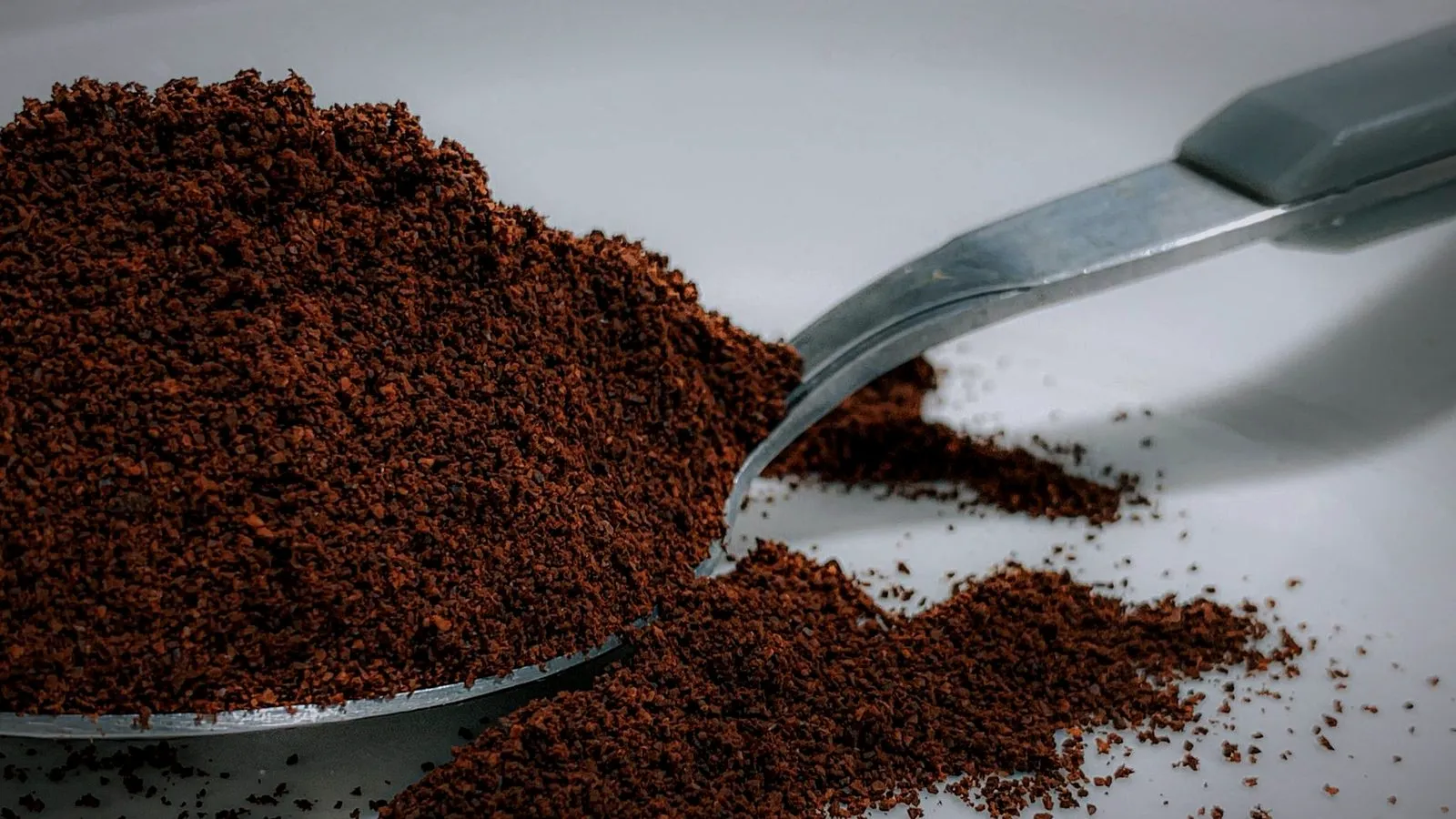
Espresso grounds are coffee ground fine enough for espresso, close to the texture of fine table salt. You can buy them pre-ground or grind them yourself. Pre-ground espresso works, especially in machines with a pressurized basket or in a moka pot, but it goes stale quickly, so freshly ground coffee almost always makes the better shot.
This guide explains what makes espresso grounds different, when pre-ground coffee works in an espresso machine, and how to store it so it lasts.
The short answer
| Pre-ground espresso | Freshly ground beans | |
|---|---|---|
| Convenience | High, no grinder needed | Needs a capable grinder |
| Freshness | Fades within hours to days of opening | Fresh at every shot |
| Grind control | None | Full; you can dial in each bag |
| Best basket | Pressurized (dual-wall) | Standard (single-wall) |
| Best for | Beginner machines, moka pots | Good crema and flavor in any machine |
What are espresso grounds?
“Espresso grounds” simply means coffee ground for espresso. The coffee itself is ordinary coffee, often a medium-dark espresso roast; what makes it espresso grounds is the fine grind. As we explain in espresso beans vs coffee beans, the label describes how the coffee is meant to be brewed, not a different kind of bean.
The fine grind matters because espresso brews in only 25–30 seconds under about 9 bar of pressure. Fine particles slow the water down so the pressure can extract flavor in that short time.
Are espresso grounds and coffee grounds the same?
Not quite. The difference is grind size, and often the roast:
- Espresso grounds: fine, a little finer than table salt. Usually a medium to dark roast. See how fine to grind for espresso for the details.
- Drip coffee grounds: medium, like coarse sand.
- French press grounds: coarse, like sea salt.
Used espresso grounds, the puck left in the basket after brewing, are a separate thing: spent coffee with most of its flavor extracted. They are good for compost but not for another shot.
Can you use pre-ground coffee in an espresso machine?
Yes, but the type of filter basket decides how well it works.
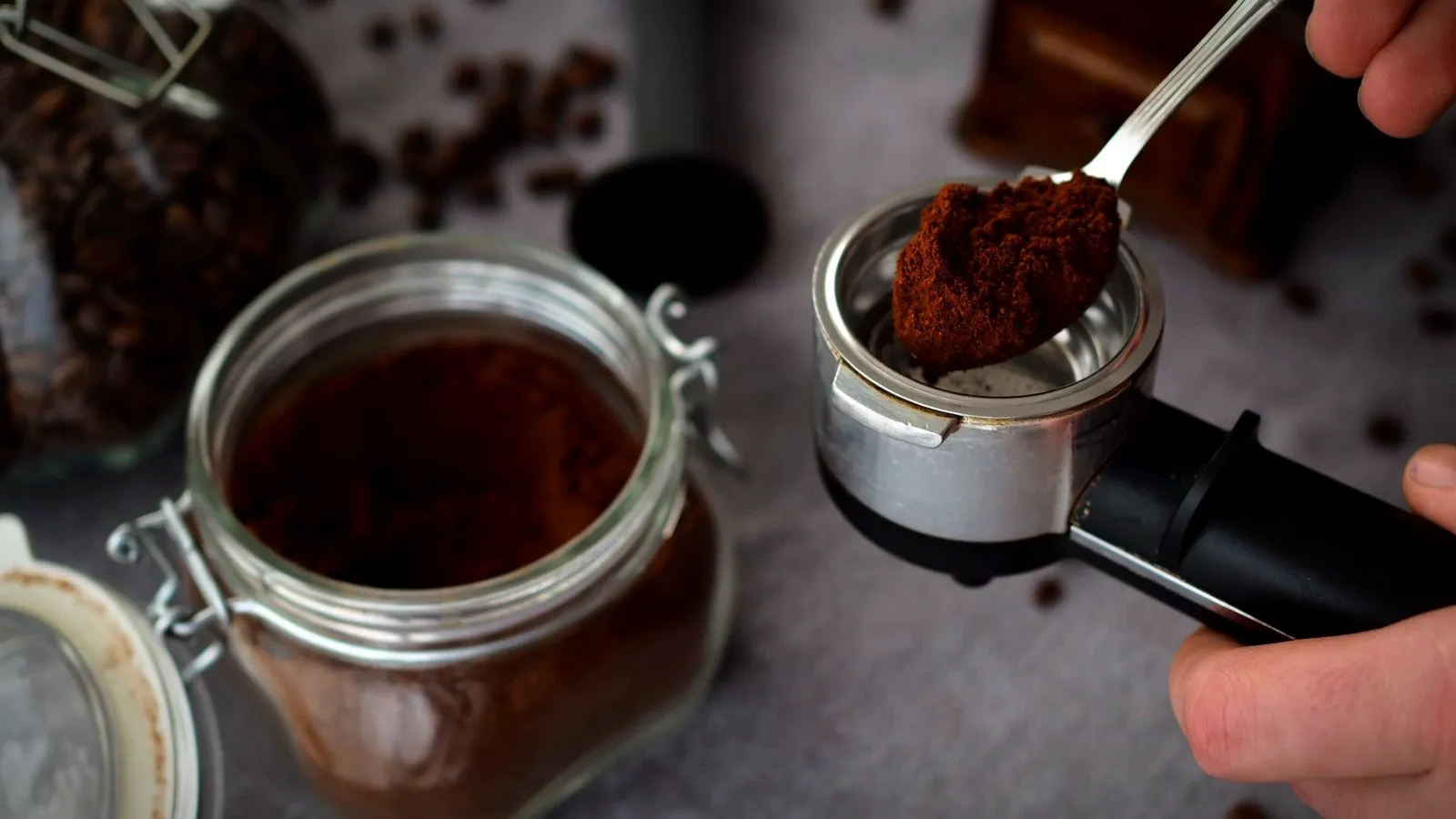
Pressurized (dual-wall) baskets have a second wall with a single tiny hole. The basket itself creates the resistance that espresso needs. Breville’s instructions tell owners to use the dual-wall baskets with pre-ground coffee, because they are designed to extract well regardless of grind, dose, tamp or freshness. Many entry-level machines ship with these baskets.
Standard (single-wall) baskets rely entirely on the coffee for resistance. They need a precise, fresh grind, which pre-ground coffee cannot provide once it has aged. Breville recommends these baskets for coffee ground fresh from whole beans.
If your machine only has single-wall baskets, pre-ground espresso will often run fast and taste sour. A pressurized basket or a grinder solves that. Our guide to how to use an espresso machine covers dose, tamp and shot time.
How fast do espresso grounds go stale?
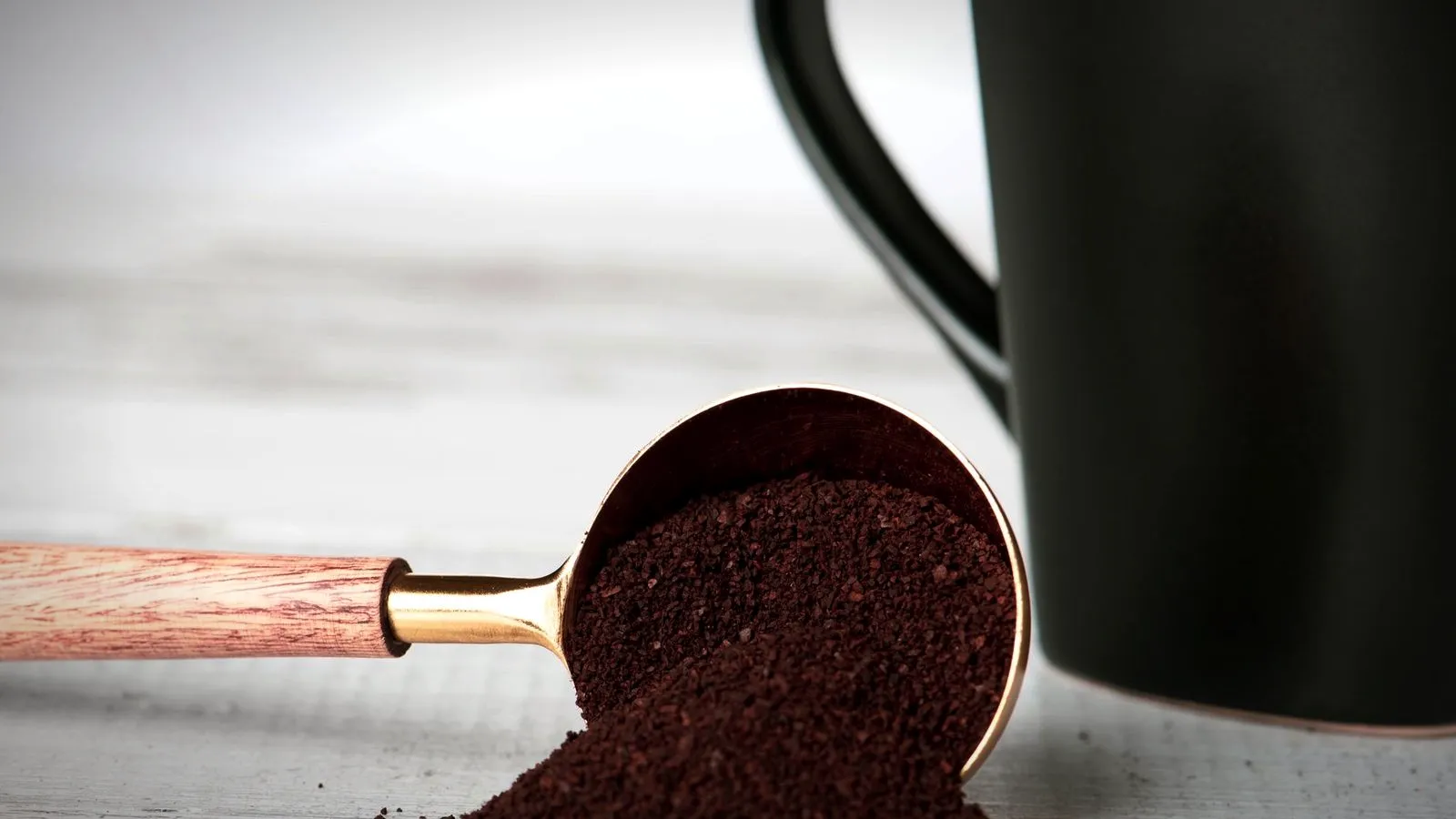
Very fast. Grinding exposes far more of the coffee’s surface to air, which speeds up the loss of carbon dioxide and aroma and the oxidation that makes coffee taste flat.
- The Specialty Coffee Association, summarizing a 2018 study of coffee degassing, says ground coffee “might be considered fresh” for about an hour after grinding. Whole beans stay fresh for about three weeks.
- An SCA literature review on coffee staling notes that ground coffee stales about twice as fast as whole beans as temperature rises.
- The same review reports that each 1% increase in oxygen raises the rate of degradation by about 10%, and that nitrogen-flushed ground coffee kept for six months, compared with three months without flushing.
This is why pre-ground espresso tastes best right after opening a sealed bag and loses crema over the following days.
Can you use regular ground coffee for espresso?
You can, but do not expect espresso. Drip-grind coffee is too coarse: water rushes through, and the shot comes out thin, pale and sour, with little crema. In a pressurized basket the result is drinkable. For a standard basket, buy coffee labeled for espresso, ask a café or roaster to grind it for espresso, or grind it yourself.
Using espresso grounds in a moka pot
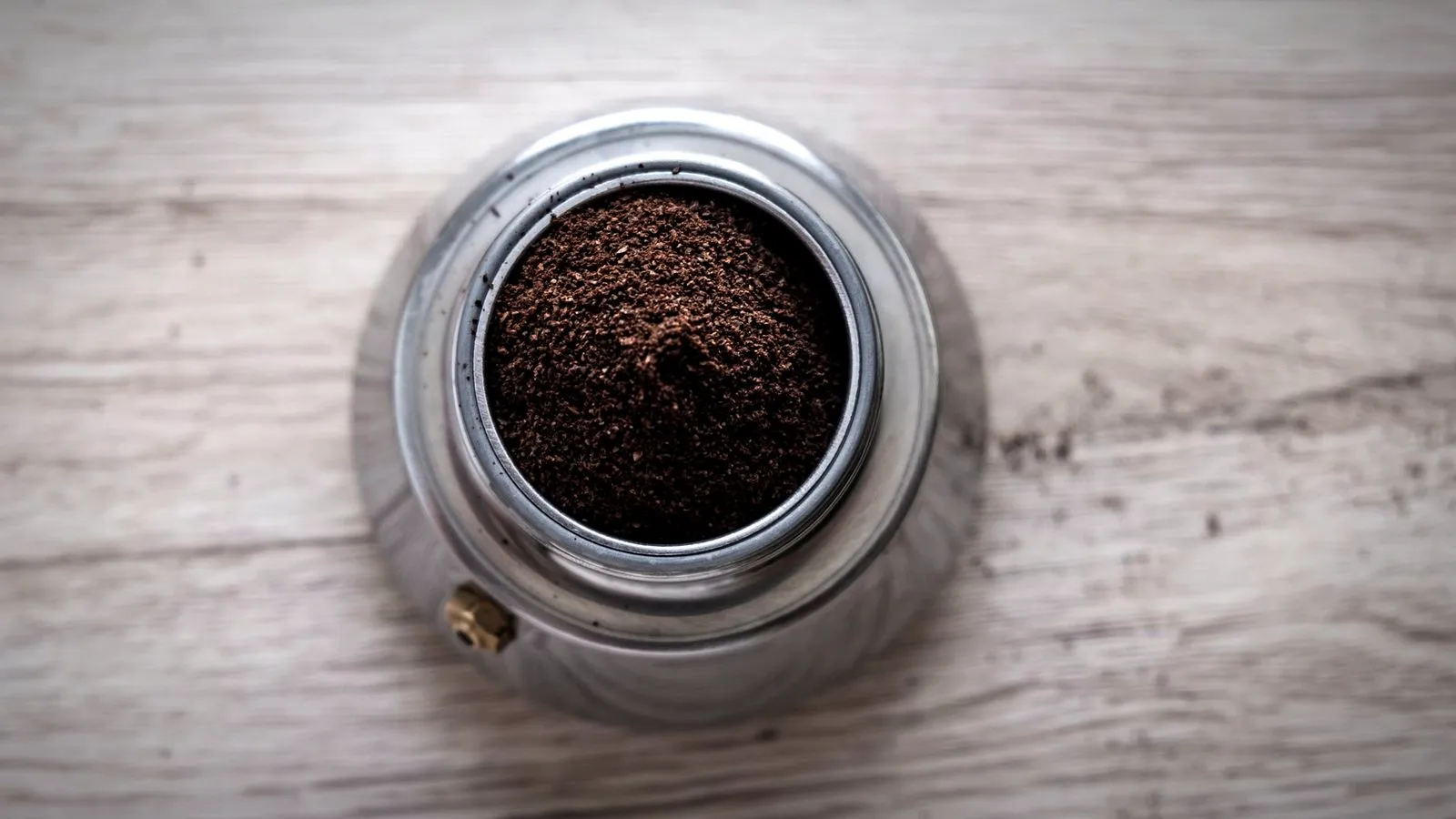
Pre-ground coffee works well in a stovetop moka pot, but not quite at espresso fineness. Bialetti says moka coffee should be a medium grind, coarser than an espresso blend, and should never be pressed down in the basket.
Check the label: some pre-ground coffees are ground for moka pots rather than espresso machines, which is fine for a stovetop pot, and our guide to the best coffee for a moka pot covers what else to look for. Compare the two brewers in espresso maker vs espresso machine.
How to tell if your espresso grounds are stale
- Little or no crema, or crema that is pale and disappears within seconds.
- Faster shots than usual with the same dose and tamp.
- A flat, papery or dull aroma when you open the container.
- A sour, thin or hollow taste that grind changes do not fix.
If you notice these, the coffee is past its best. It is still safe to drink, but a fresh bag will make a noticeably better shot, especially in a standard basket.
How much ground coffee per shot?
For a double shot, use about 16–19 g of ground coffee. Breville’s manual gives a handy conversion for its double basket: about three level tablespoons of pre-ground coffee, or four of fresh-ground coffee, which is fluffier. A small scale is more accurate than spoons.
How to buy the best pre-ground espresso
- Look for a roast date on the bag, not only a best-by date.
- Choose bags with a one-way valve and, ideally, nitrogen flushing, which keeps oxygen out.
- Buy small bags you can finish within a week or two of opening.
- Pick “espresso” grind for a machine, or “moka” grind for a stovetop pot.
- Consider decaf carefully: it is more porous and stales quickly; see decaf espresso beans.
How to store espresso grounds
Oxygen, heat, light and moisture are the enemies:
- Keep the bag sealed and squeeze out the air, or move the coffee into an airtight container sized to the amount left.
- Store it somewhere cool and dark, away from the stove and out of sunlight.
- Avoid the fridge for daily use; coffee can pick up moisture and odors.
- Use it quickly. No storage method brings back aroma that is already gone.
Is it worth buying a grinder?
If you use a standard basket and care about flavor, yes. A grinder that can grind fine and adjust in small steps gives you fresh coffee and lets you tune each shot. Pre-ground coffee takes that control away. If your machine has pressurized baskets and you mostly drink milk drinks, pre-ground espresso is a reasonable place to start.
The bottom line
Espresso grounds are coffee ground fine for espresso. Pre-ground espresso is convenient and works in pressurized baskets and moka pots, but it goes stale within hours to days of opening, which costs crema and flavor. For the best shots in a standard basket, grind fresh just before brewing; if you buy pre-ground, choose small, dated, well-sealed bags.
Sources
- Breville: Barista Express BES875 instruction book (dual-wall vs single-wall baskets, dose)
- Specialty Coffee Association: Coffee Decoded: fresh coffee (freshness of ground vs whole-bean coffee)
- Specialty Coffee Association: What is the shelf life of roasted coffee? A literature review on coffee staling
- Bialetti: Ground coffee for moka should never be pressed