
Espresso vs Coffee
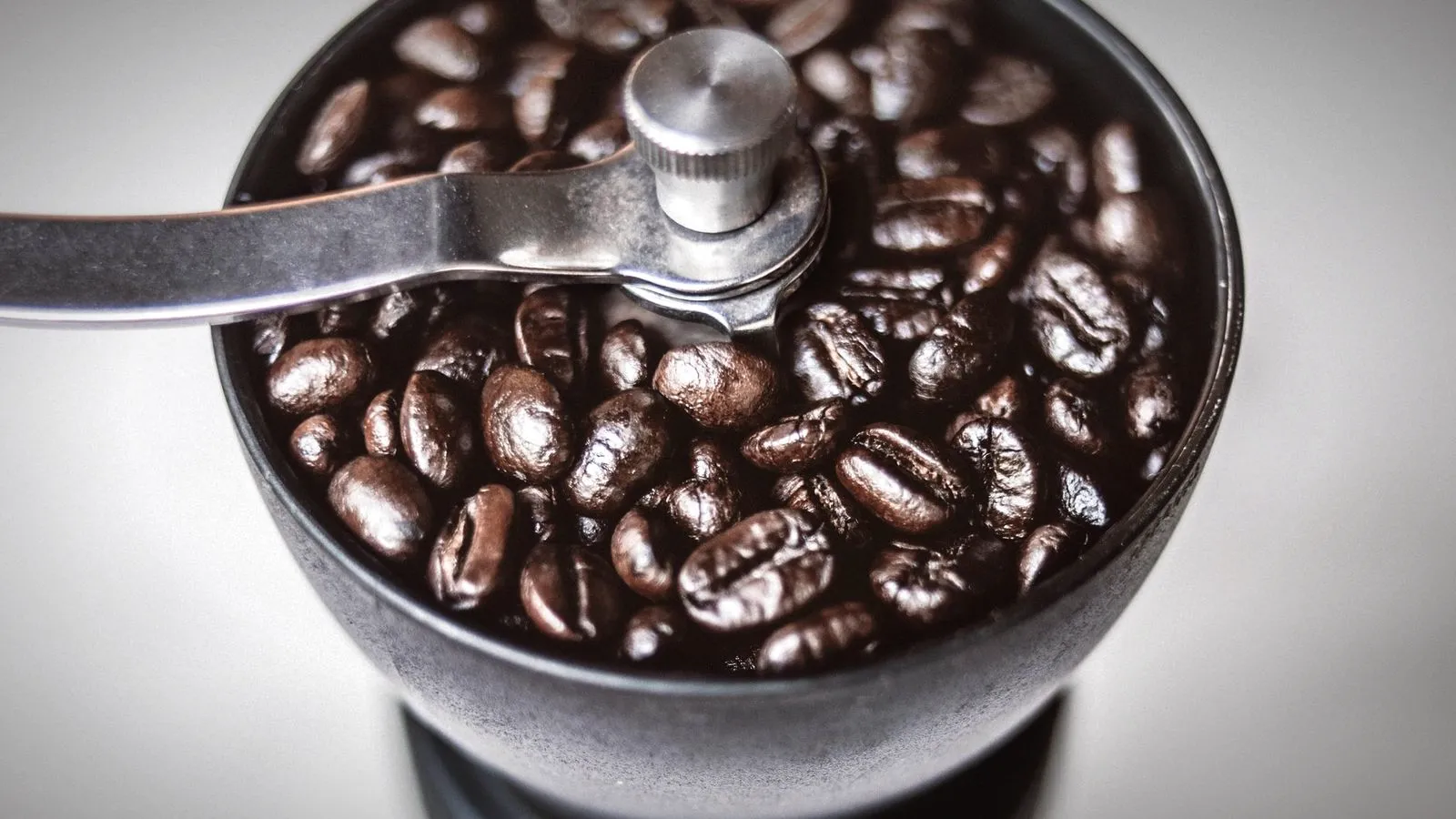
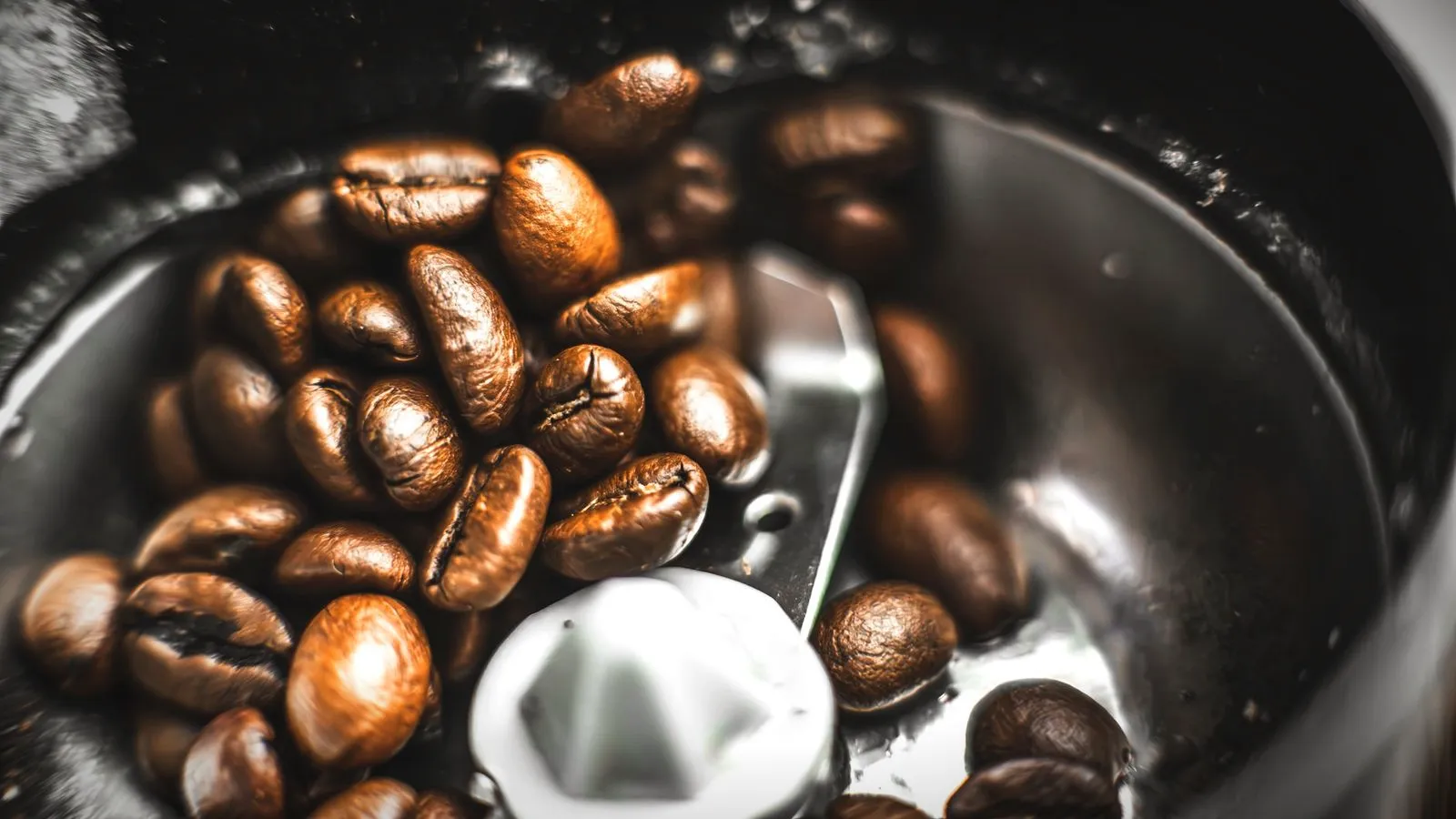
Burr Grinder vs Blade Grinder: Why Grind Consistency Wins
Burr grinder vs blade grinder: burrs crush beans to one set size, blades chop them unevenly. See how each affects taste, espresso, heat, cleaning and cost.
Side-by-side comparisons of espresso and regular coffee: the beans, roast, grind, caffeine per shot and per cup, and how each one really tastes.
Burr grinder vs blade grinder: burrs crush beans to one set size, blades chop them unevenly. See how each affects taste, espresso, heat, cleaning and cost.
Conical vs flat burr grinder: both grind well for espresso and filter. See how burr shape affects particle size, retention, heat, speed, noise and price class.
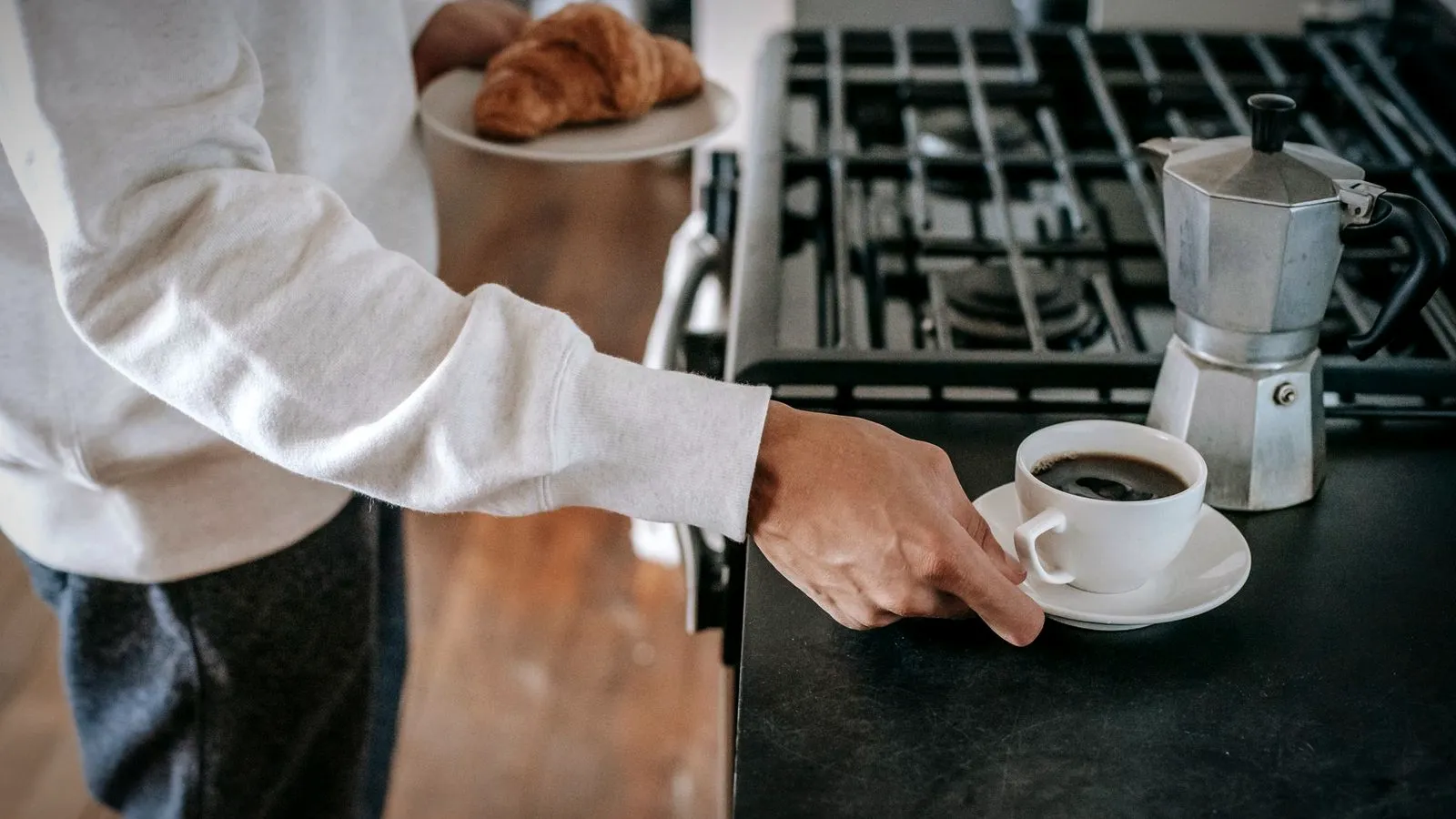
Moka pot vs espresso: a moka pot brews strong coffee at about 1.5 bar, an espresso machine at 9 bar with crema. Compare taste, grind, cost and percolators.
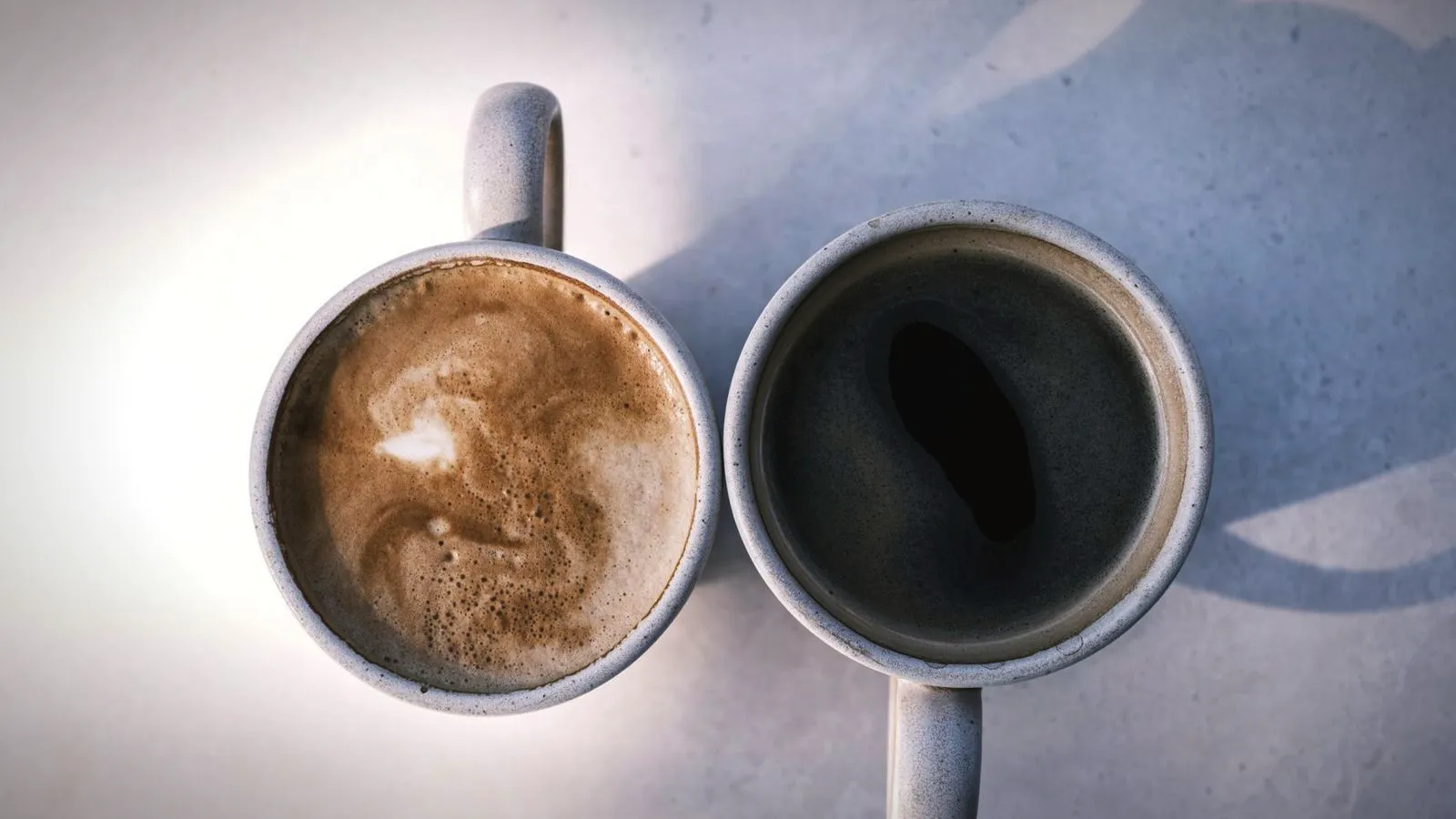
Americano vs coffee: an Americano is espresso topped with hot water, drip coffee is brewed by gravity. Compare caffeine by size, taste, crema and calories.
Americano vs espresso: an Americano is espresso topped up with hot water, so it is bigger and milder but has the same caffeine. Compare size, taste and crema.
Cappuccino vs coffee: a cappuccino is espresso with steamed milk and foam, coffee is drip-brewed. An 8 oz coffee has more caffeine than a one-shot cappuccino.
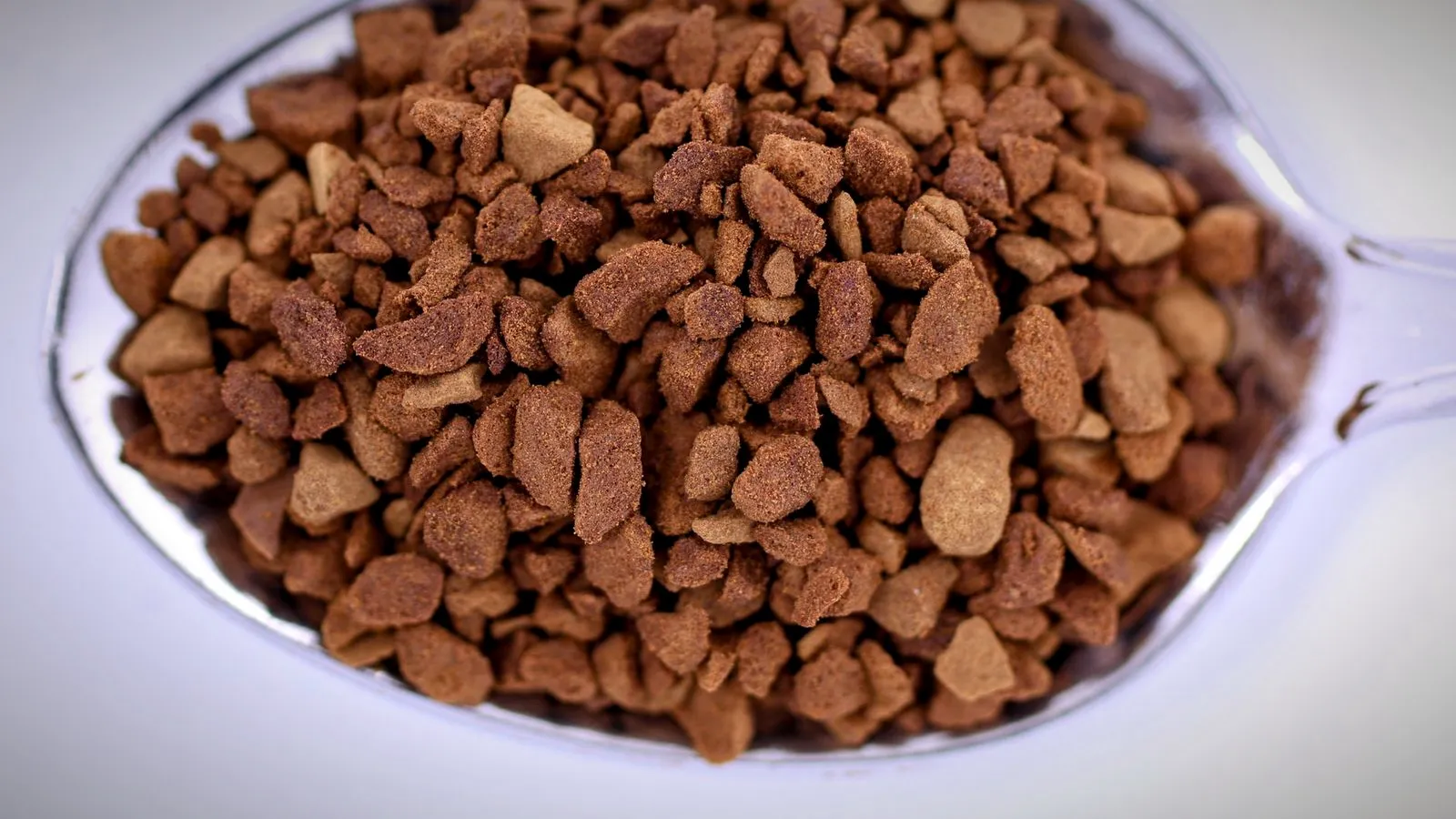
Espresso powder vs instant coffee: both are brewed coffee dried to dissolve, but espresso powder is darker and stronger. How to swap them in baking and drinks.
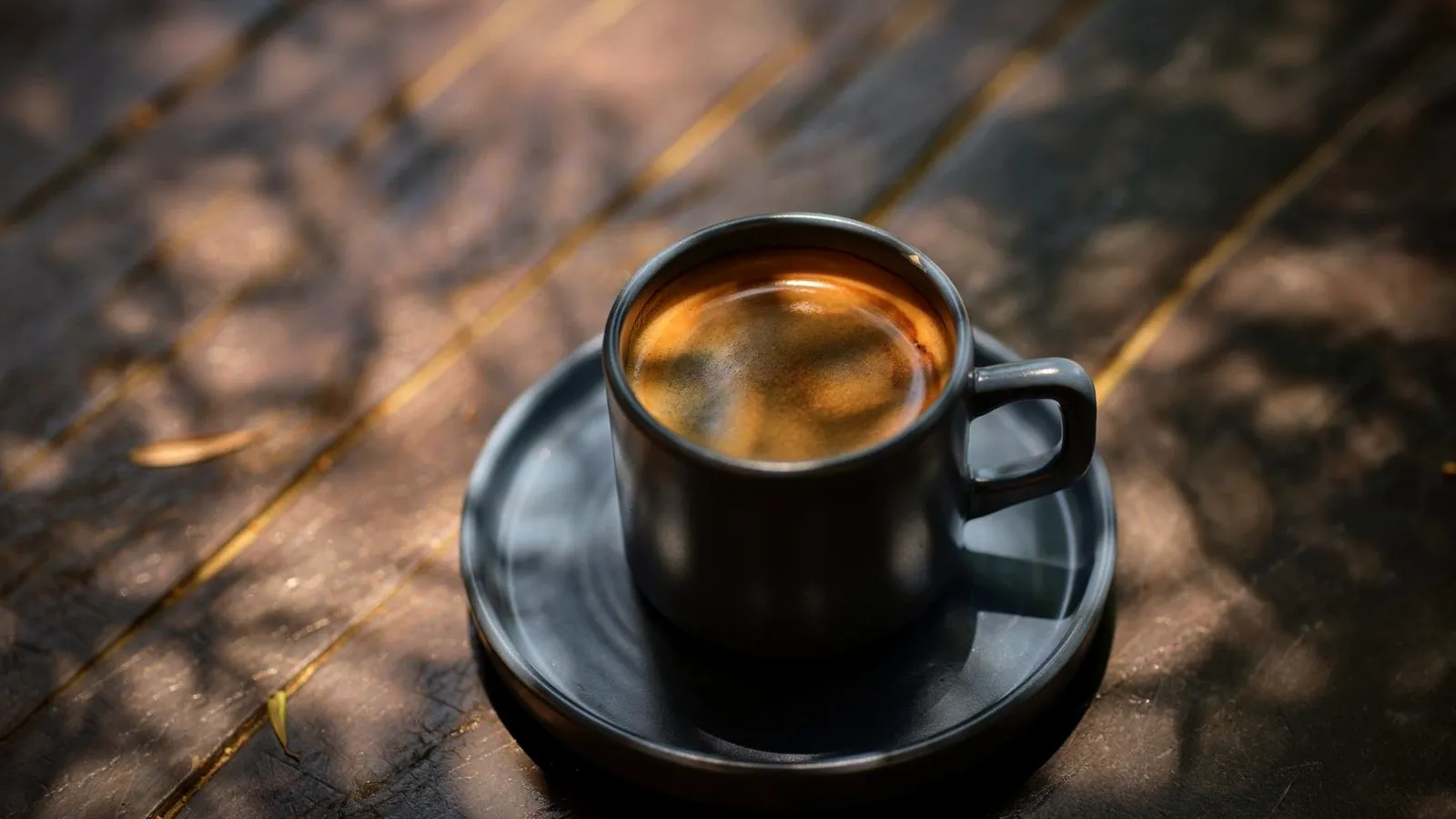
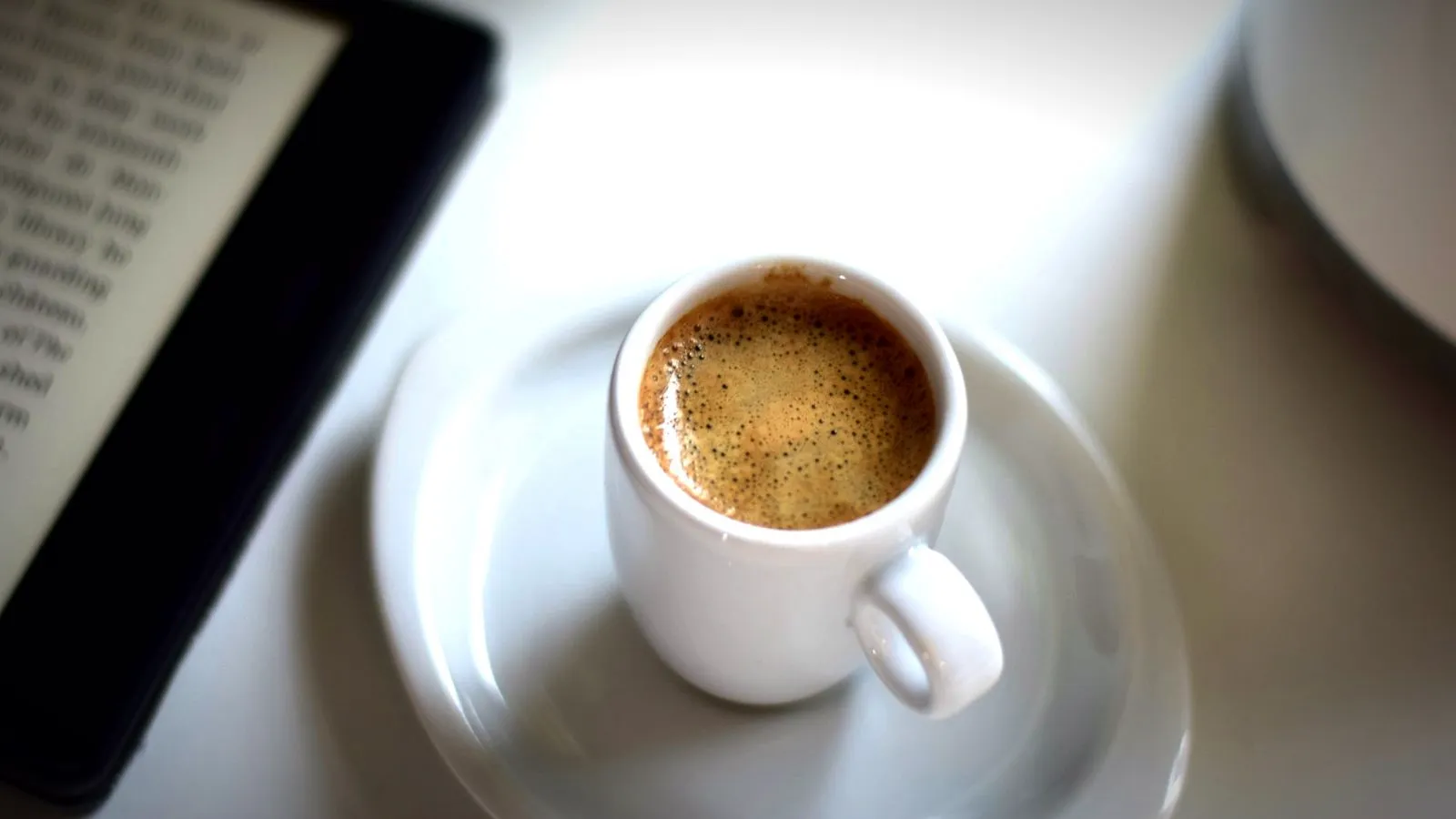
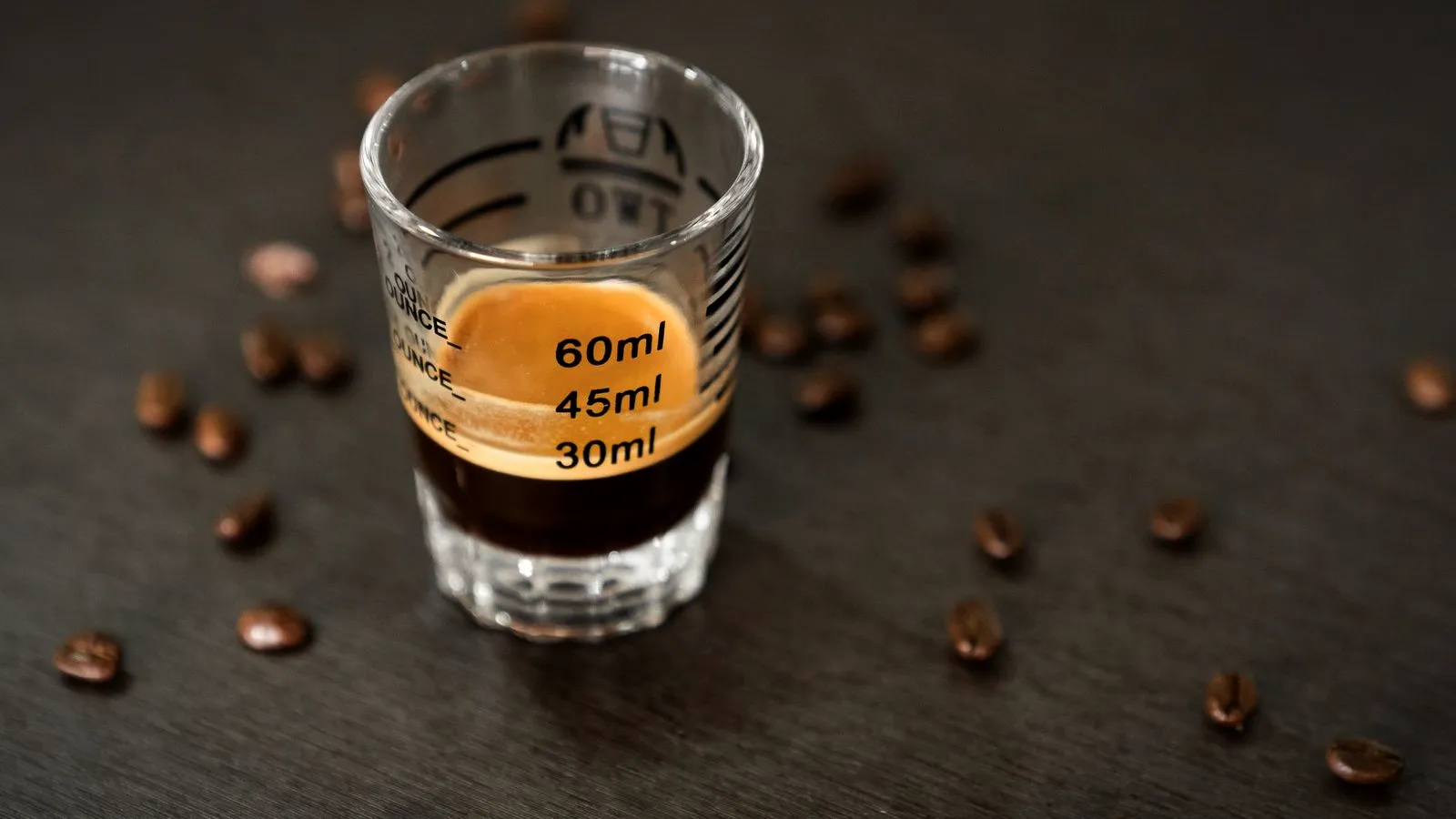
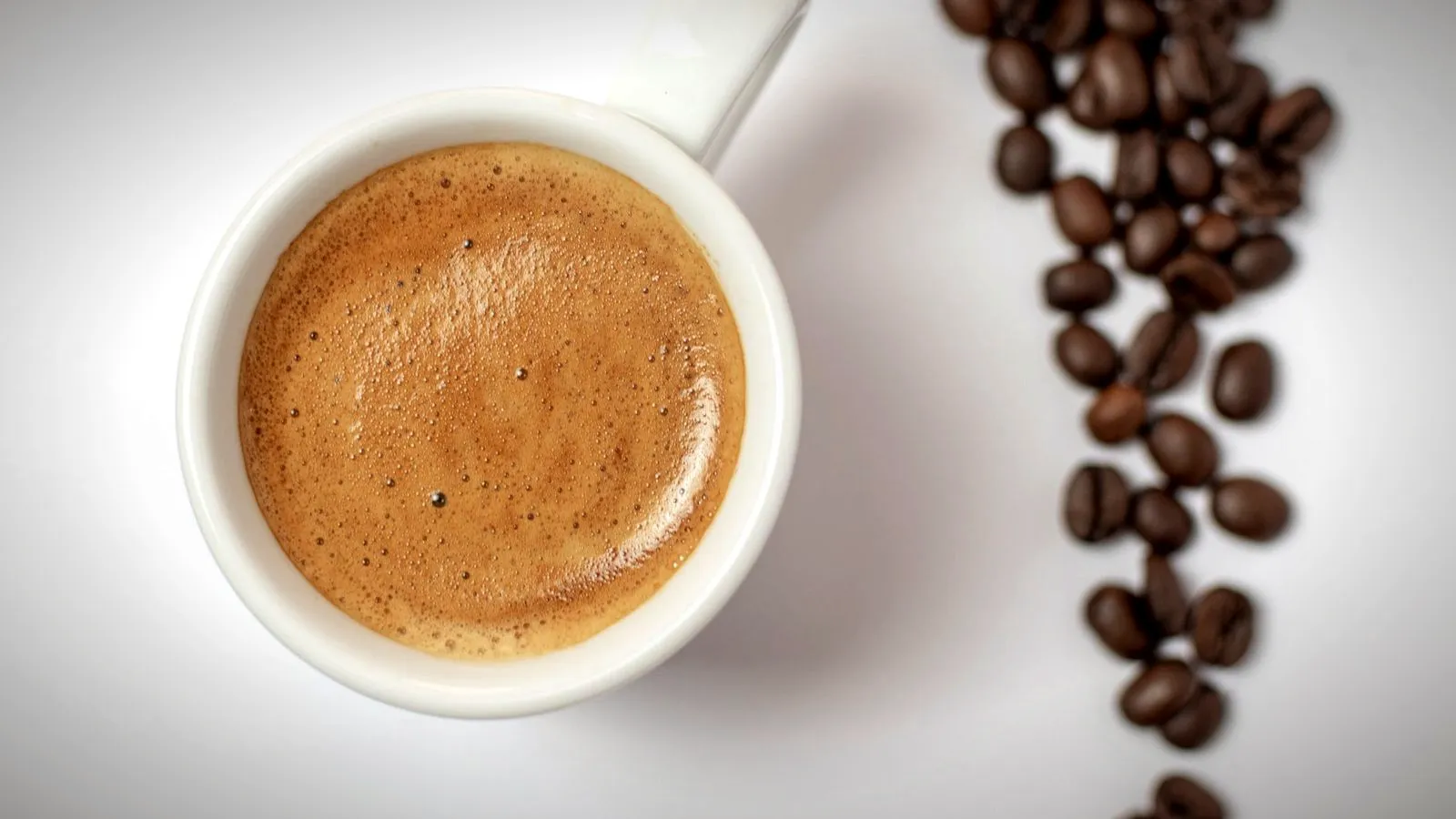
What is espresso? A small, strong coffee brewed by forcing hot water through fine grounds at about 9 bar. Its definition, taste, crema, caffeine and history.
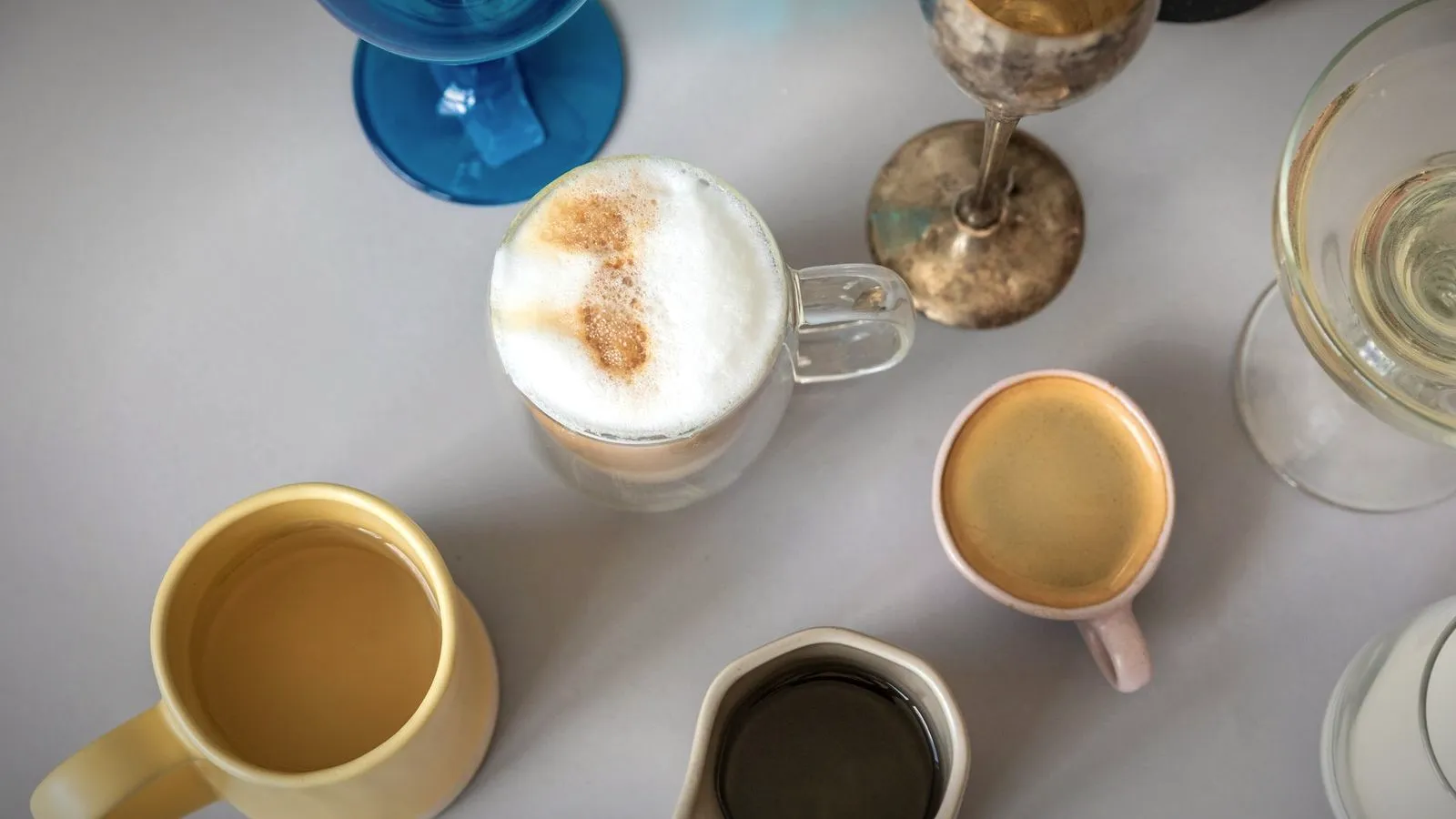
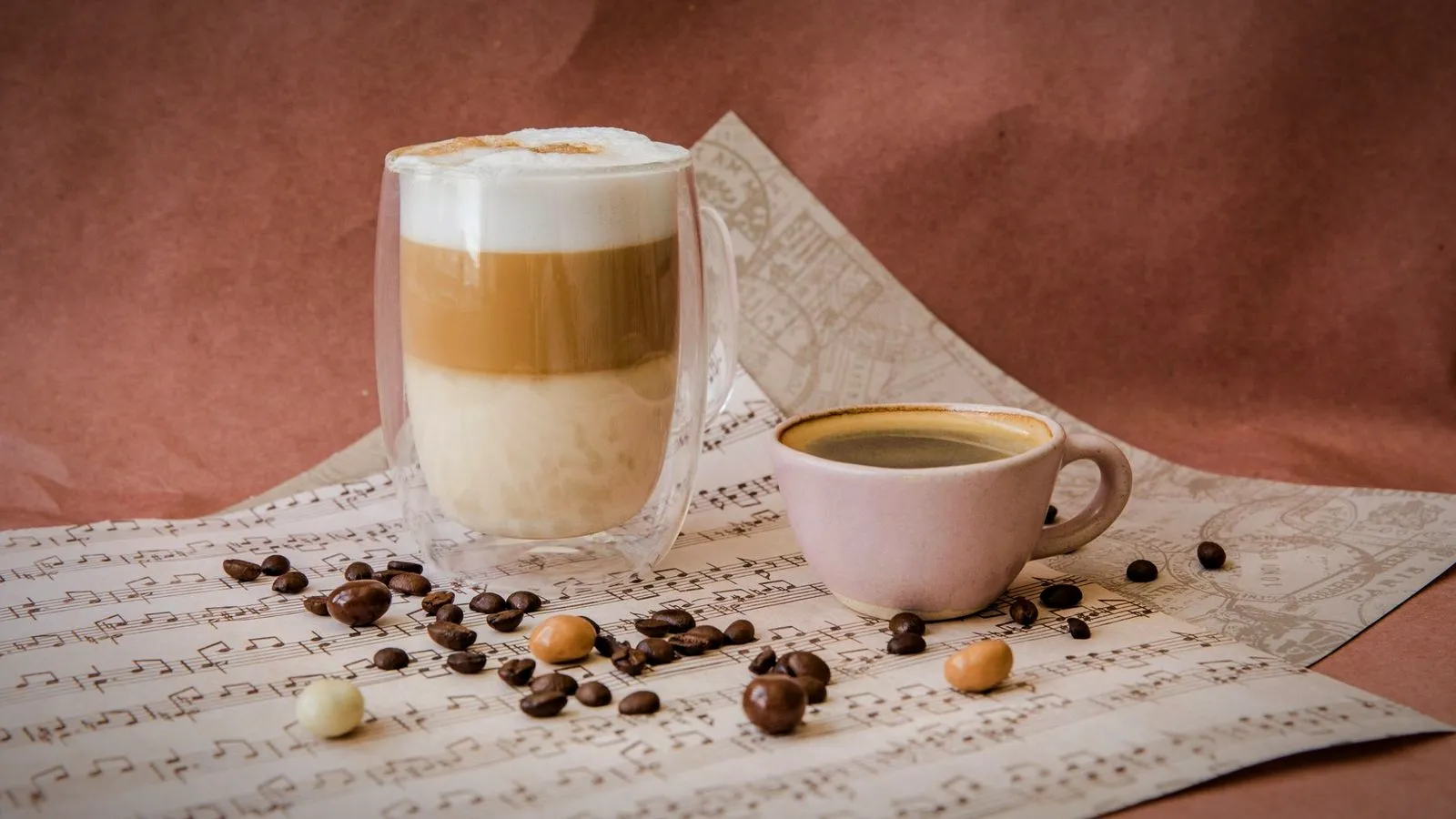
Cappuccino vs latte vs macchiato: one chart of shots, milk, foam, size, caffeine and calories, plus the flat white, so you know which espresso drink to order.
Flat white vs latte: a flat white is a small, strong drink with thin microfoam; a latte is bigger and milkier. Compare size, ratio, caffeine and calories.
Ristretto vs long shot: a ristretto stops the shot early for a short, sweet, intense espresso; a long shot pushes more water through for a bigger, lighter cup.
Cappuccino vs Frappuccino: a cappuccino is hot espresso with steamed milk and foam; a Frappuccino is Starbucks' blended ice drink. Compare caffeine and sugar.
Macchiato vs mocha: a macchiato is espresso marked with a little milk foam; a mocha adds chocolate and lots of steamed milk. Compare size, sugar and caffeine.
Flat white vs cappuccino: the flat white is stronger, with more espresso and thin microfoam; a cappuccino has a thick foam cap. Sizes, caffeine, calories.
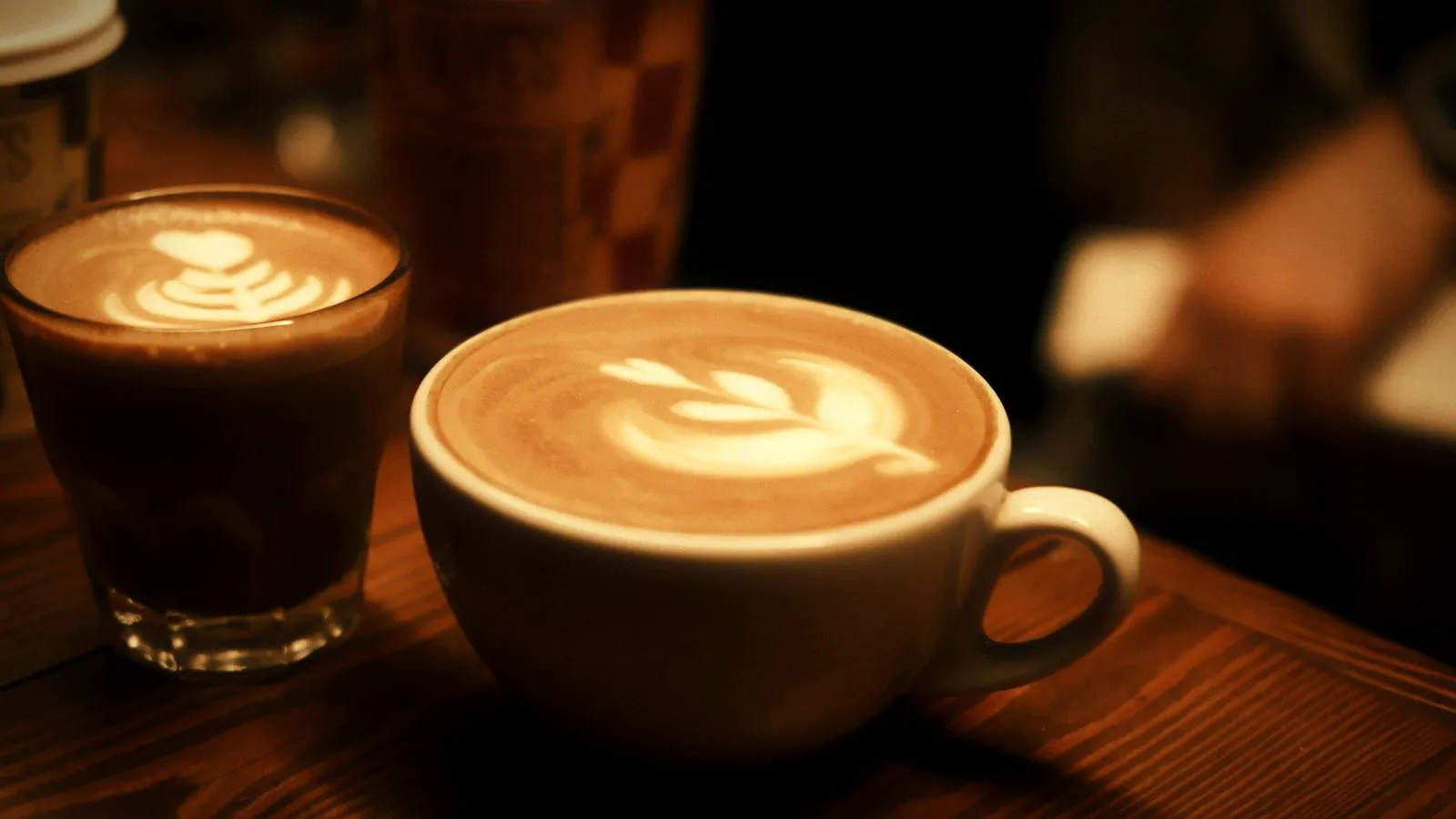
Latte vs coffee: a latte is espresso with lots of steamed milk; coffee is brewed and often black. Compare caffeine, calories, taste, and iced versions.
Macchiato vs cappuccino: a macchiato is espresso marked with a spoonful of foam; a cappuccino adds steamed milk and thick foam. Ratios, caffeine, calories.
Mocha vs latte: a mocha is a latte with chocolate sauce or cocoa, often topped with whipped cream. Compare taste, sugar, calories and caffeine side by side.
How much caffeine is in a shot of espresso? About 63 mg in a 1 oz single and 126 mg in a double, but café shots vary widely. See what changes the number.
Cortado vs latte: a cortado is espresso cut with about equal warm milk, a latte is espresso with lots of steamed milk. Plus flat white, cappuccino, macchiato.
Macchiato vs latte: a macchiato is espresso marked with a spoonful of foam, a latte is espresso with lots of steamed milk. Compare ratios, size and caffeine.
How much caffeine is in decaf espresso? Usually 0.3 to about 16 mg per shot, versus about 63 mg in regular espresso. Here's why it varies and what decaf means.
Are espresso beans the same as coffee beans? Yes: same plant, same bean. Espresso beans vs coffee beans differ only in roast, blend and grind. Swap them easily.
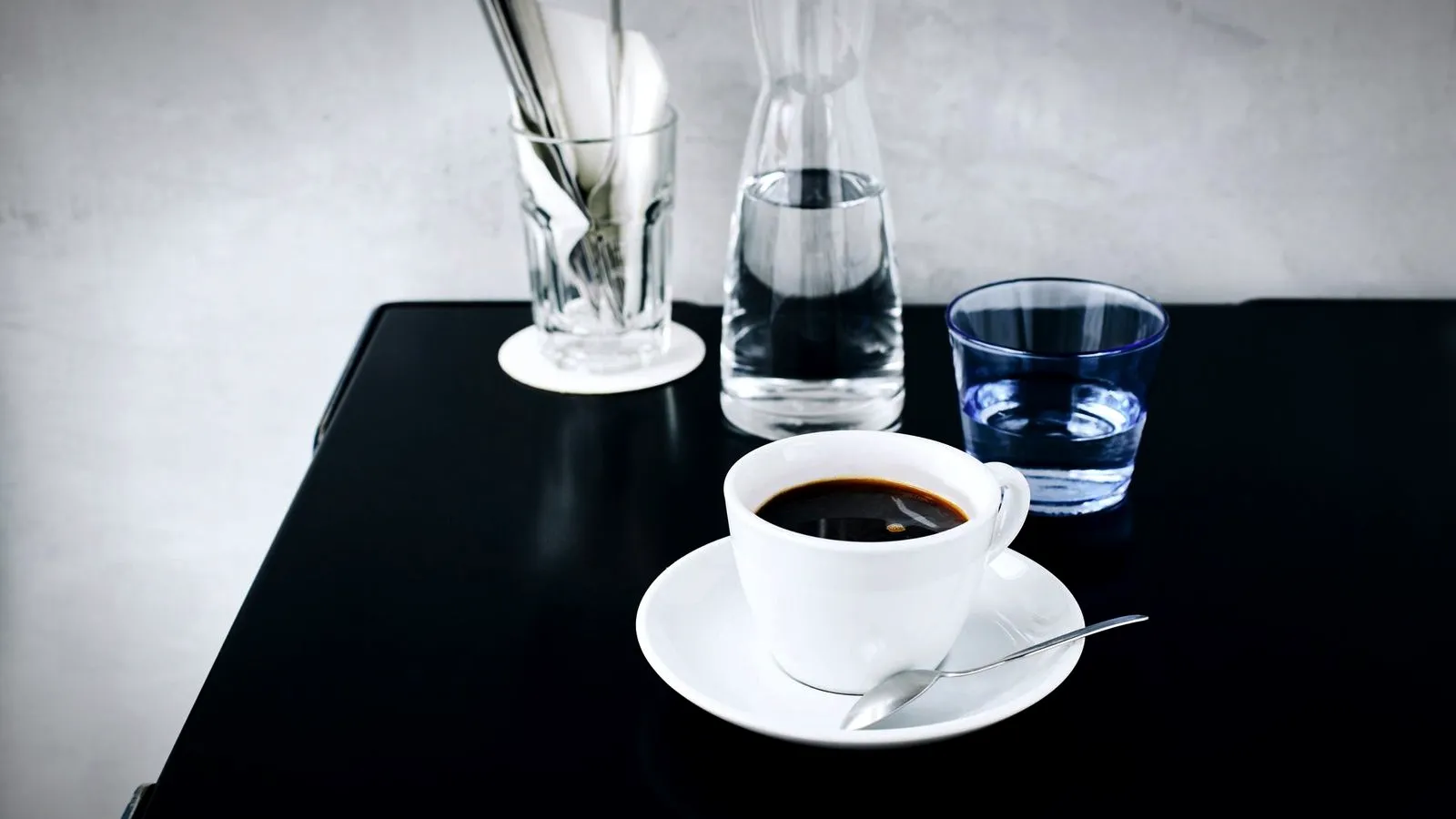
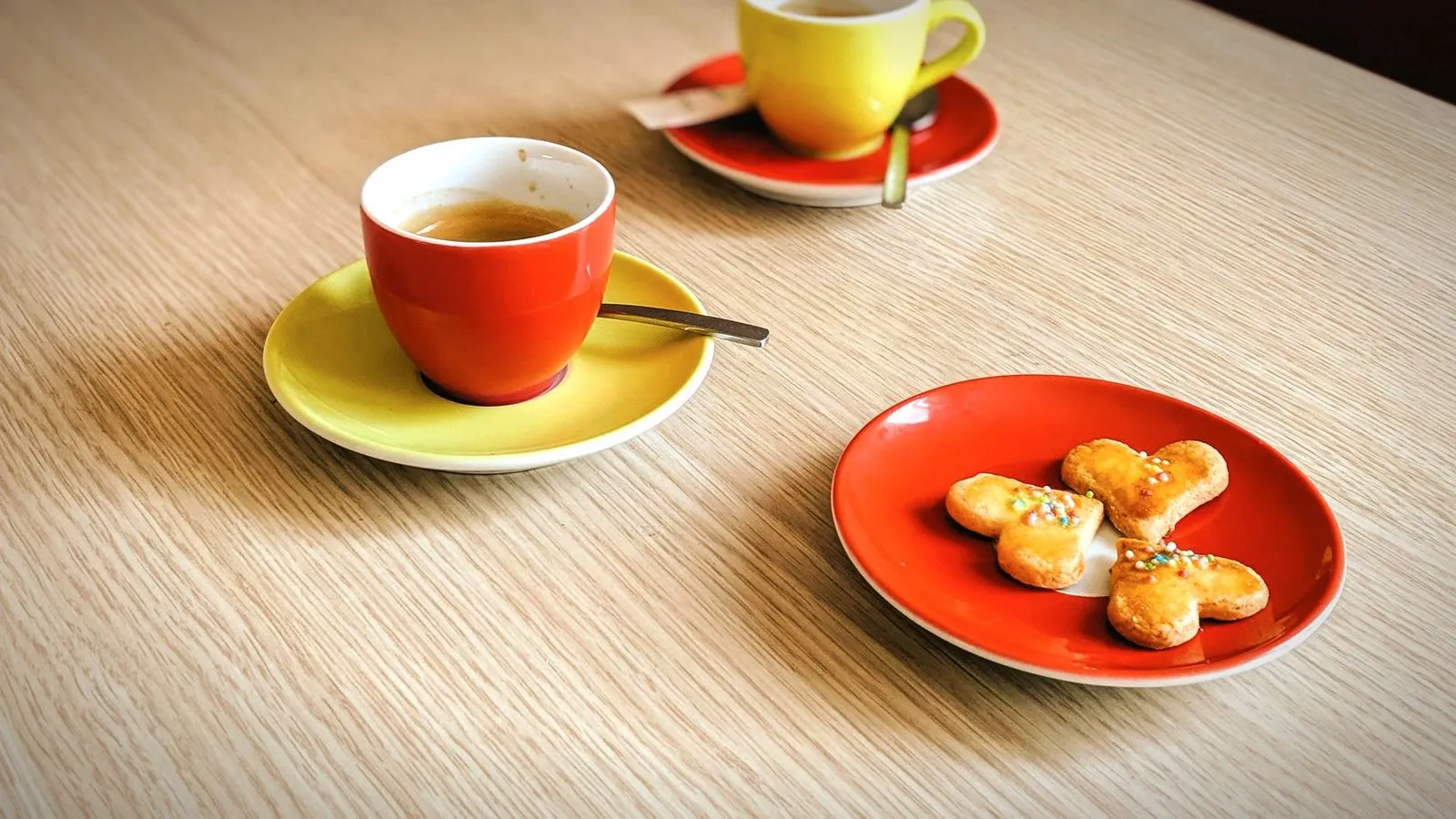
Espresso vs coffee: same beans, different brewing. Compare pressure, grind, ratio, caffeine per ounce and per cup, taste and health, and see which suits you.