Macchiato vs cappuccino is a question of milk. An espresso macchiato is a shot of espresso “marked” with a spoonful of milk foam, about 1–2 ounces in total. A cappuccino adds a few ounces of steamed milk and a thick layer of foam, filling a 5–6 ounce cup. The macchiato tastes intense; the cappuccino tastes softer and foamier.
Both start with the same espresso, so a single macchiato and a single cappuccino carry the same caffeine. What changes is size, texture and how much the milk mellows the coffee. For the full café lineup, see our chart of types of espresso drinks.
The short answer
| Macchiato (espresso macchiato) | Cappuccino | |
|---|---|---|
| What it is | Espresso marked with a little milk foam | Espresso with steamed milk and a thick foam cap |
| Espresso | 1 or 2 shots | 1 shot in the Italian standard; often 2 elsewhere |
| Milk | A spoonful or two (about 2 teaspoons), mostly foam | About 100 ml (3.4 oz) of milk, much of it foam |
| Typical size | About 1–2 oz | About 5–6 oz (150–180 ml) |
| Cup | Demitasse (espresso cup) | Small cup with a handle |
| Taste | Intense, espresso-forward | Balanced, creamy, airy |
| Caffeine | Same as the shots inside | Same as the shots inside |
| Calories | Under 10 with a single shot | Roughly 60–70 with whole milk (Italian size) |
Cafés pour their own versions. Treat these values as typical ranges, not rules.
What is the difference between a cappuccino and a macchiato?
The difference between a cappuccino and a macchiato is how much milk joins the espresso.
- Macchiato: Italian for “stained” or “marked.” The barista pulls a shot and adds a small spot of foamed milk, a spoonful or two; Breville’s recipe uses 2 teaspoons. The espresso stays the main event.
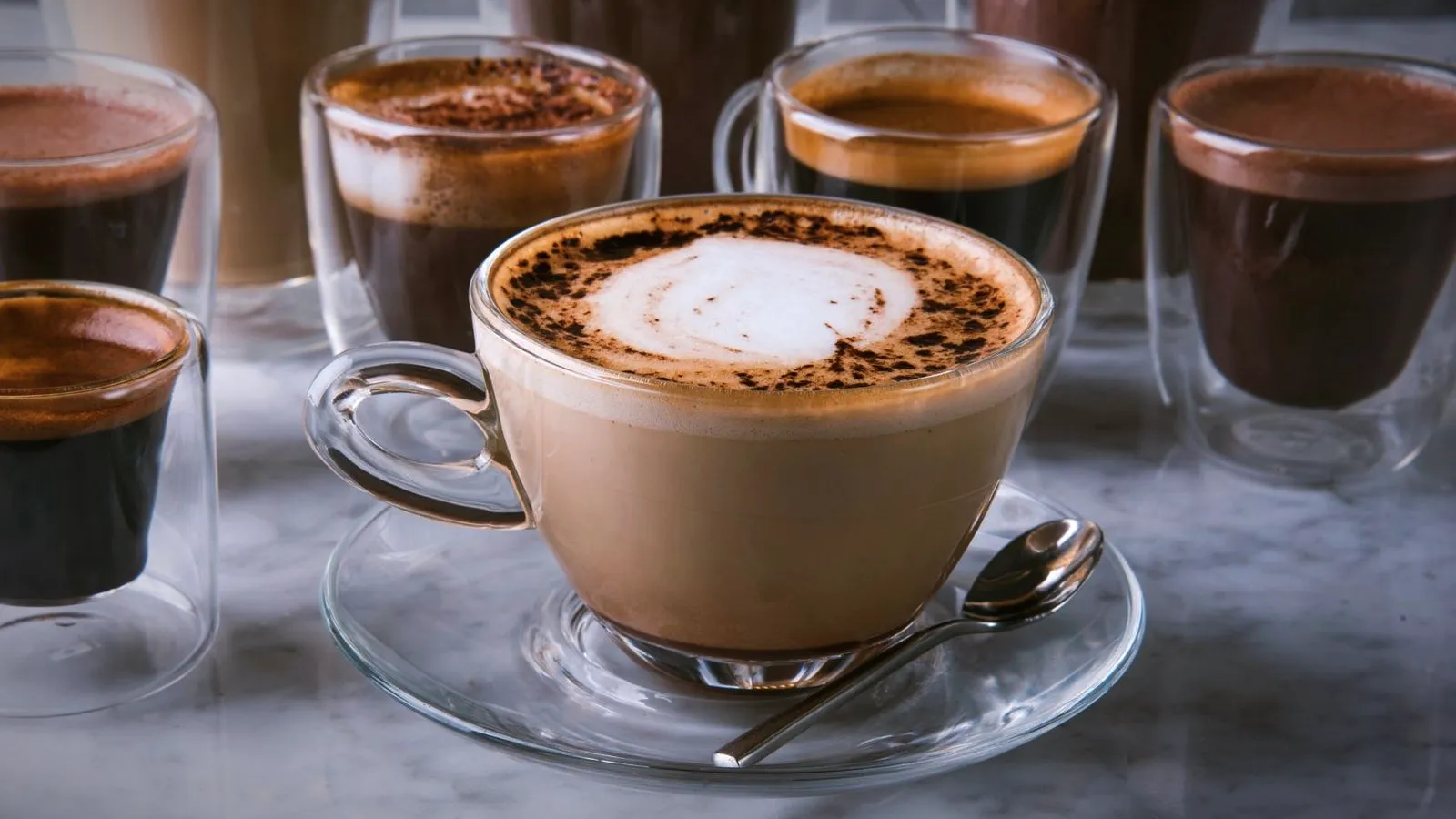
- Cappuccino: named after the Capuchin friars, whose brown robes matched its color. A shot is topped with steamed milk and a thick layer of foam. The “one third espresso, one third milk, one third foam” rule is a helpful picture, not a formal standard.
In a macchiato, the milk is a garnish. In a cappuccino, milk and foam make up most of the cup.
Macchiato vs cappuccino: ratio and size
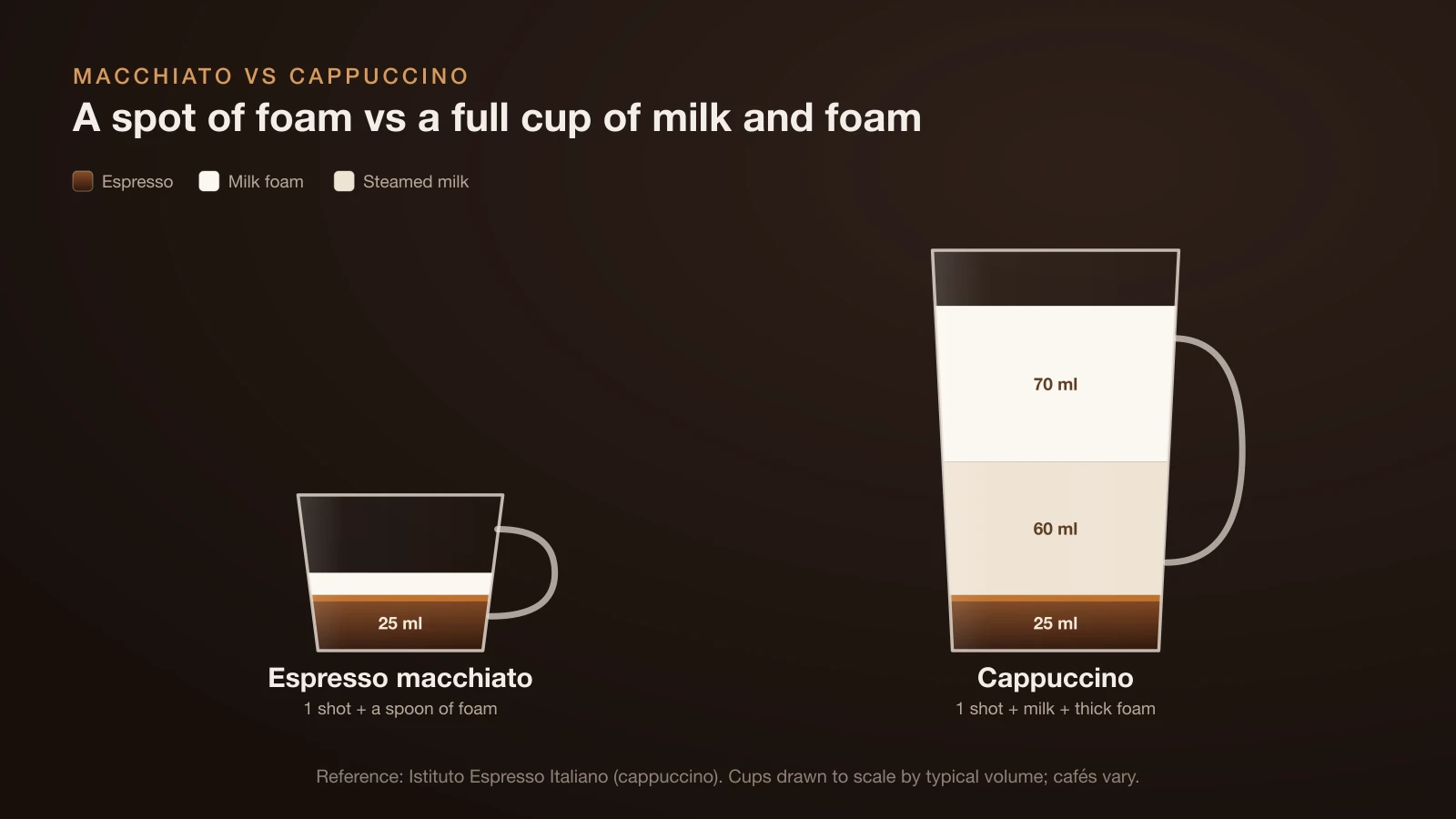
A macchiato is almost all espresso with a teaspoon or two of foam, while a cappuccino puts about four parts milk to one part espresso in a 150–180 ml cup.
| Espresso macchiato | Cappuccino (Italian standard) | |
|---|---|---|
| Espresso | About 25 ml per shot | 25 ml |
| Milk | About 2 teaspoons of foamed milk | 100 ml of steamed milk |
| Foam | A small spot on the crema | A thick layer, 1 cm or more |
| Total | About 30–60 ml | About 150–180 ml cup |
The Italian Espresso Institute’s certified cappuccino uses 25 ml of espresso and 100 ml of steamed milk, and World Barista Championship rules called for a 150–180 ml cappuccino with at least 1 cm of foam. The same shot becomes a macchiato with just a teaspoon or two of foam, so the cappuccino holds roughly ten or more times as much milk.
US chains follow the same pattern at larger sizes. Starbucks lists its Espresso Macchiato at 0.8 fl oz (solo) and 1.6 fl oz (doppio), while its smallest cappuccino is 8 fl oz and its grande is 16 fl oz.
Espresso macchiato vs cappuccino: taste and texture
A macchiato keeps nearly everything about the espresso: its crema, acidity, bitterness and body. The foam simply takes the sharpest edge off and adds a little sweetness on the first sip.
A cappuccino changes the drink’s character. The thick foam gives a light, airy texture, and the steamed milk rounds out bitterness and adds natural sweetness. The coffee flavor is still clear, but softer.
Texture comes from the steam wand in both cases. A macchiato uses a spoonful of the foam from the top of the pitcher; a cappuccino uses both the liquid milk and the foam. Our guide to steaming milk for espresso drinks explains how to create each.
Which has more caffeine?
Neither drink has more caffeine when the number of shots matches, because milk adds volume, not caffeine.
USDA data puts espresso at about 212 mg of caffeine per 100 g, or roughly 63 mg in a 1 oz shot. A single macchiato and a single cappuccino therefore land in the same range. Starbucks lists both its solo Espresso Macchiato and its tall (12 oz) cappuccino at 75 mg, and its doppio macchiato and grande cappuccino at 150 mg.
The macchiato simply packs that caffeine into a much smaller drink, which is why it feels stronger. For more on shot-to-shot differences, see how much caffeine is in an espresso shot.
Macchiato vs cappuccino calories
Nearly all the calories in both drinks come from milk. Using USDA figures for whole milk (61 kcal per 100 g) and espresso (9 kcal per 100 g):
- Espresso macchiato: 2 teaspoons (about 10 ml) of foamed milk add at most about 6 kcal, even counted as liquid whole milk. With a single shot, the drink stays under 10 kcal.
- Italian-size cappuccino: 100 ml of whole milk (about 103 g) is roughly 63 kcal, so the drink lands around 65 kcal.
Starbucks’ figures, made with 2% milk, agree: 10 calories for a solo Espresso Macchiato, 70 for a short (8 oz) cappuccino and 140 for a grande. These numbers assume no added sugar or syrup.
Caramel macchiato vs cappuccino
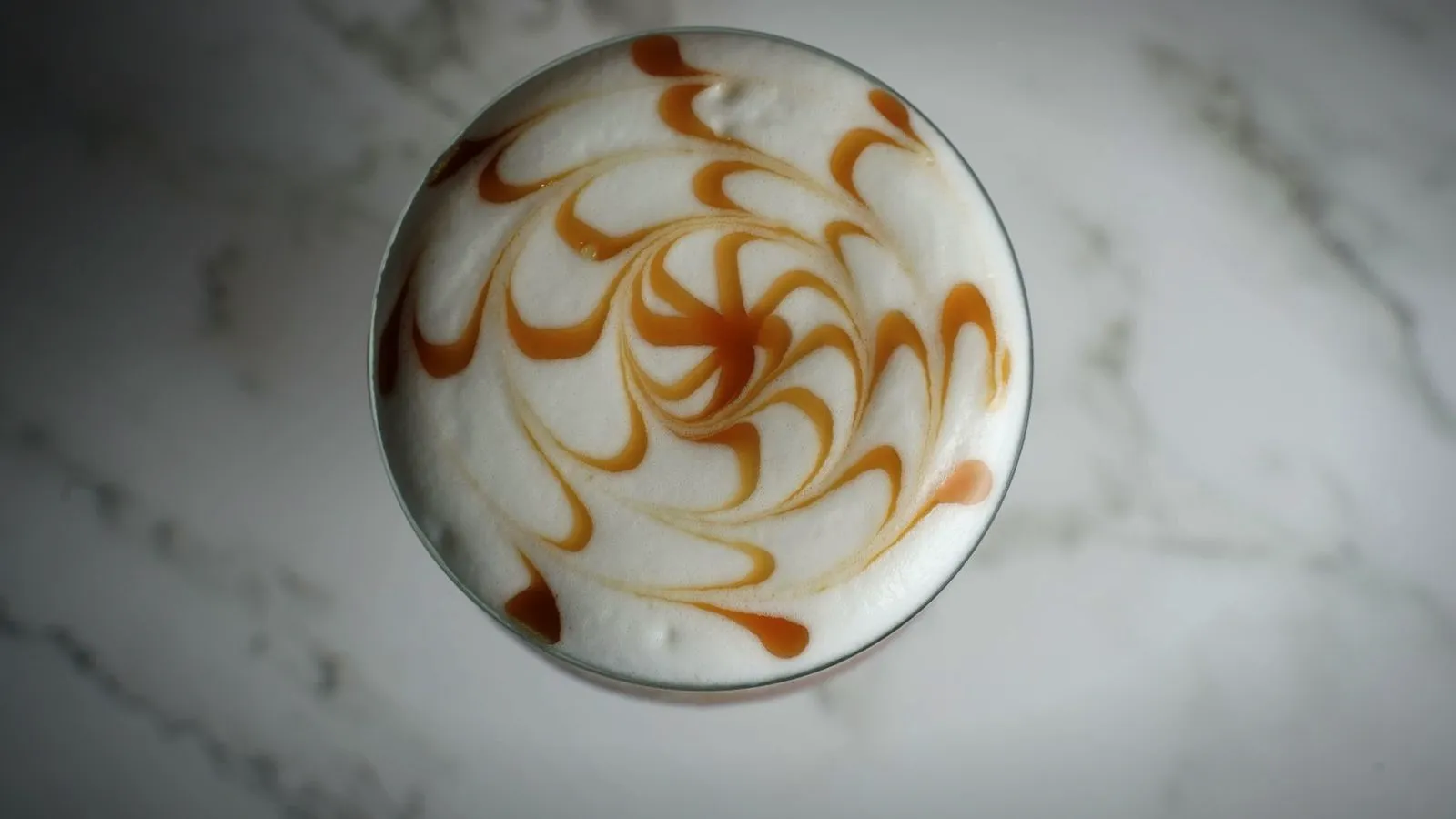
A caramel macchiato is a sweet, latte-style chain drink rather than an espresso macchiato, so it is larger and much sweeter than a cappuccino. Starbucks describes its Caramel Macchiato as steamed milk with vanilla syrup, “marked” with espresso and topped with caramel drizzle.
| Starbucks, grande (16 oz) | Caramel Macchiato | Cappuccino |
|---|---|---|
| Built as | Vanilla syrup, steamed milk, espresso on top, caramel | Espresso, steamed milk, thick foam |
| Calories | 250 | 140 |
| Sugars | 33 g | 12 g |
| Caffeine | 150 mg | 150 mg |
So a caramel macchiato is closer to a sweet latte than to a cappuccino. If you want the traditional drink, ask for an espresso macchiato. We cover the latte side of this in macchiato vs latte.
Latte macchiato vs cappuccino
A latte macchiato is another relative with a similar name. It reverses the macchiato idea: a tall glass of steamed milk is “marked” by espresso poured in last, forming layers. It is much milkier than a cappuccino and served in a glass rather than a small cup.
Cappuccino e macchiato: ordering in Italy
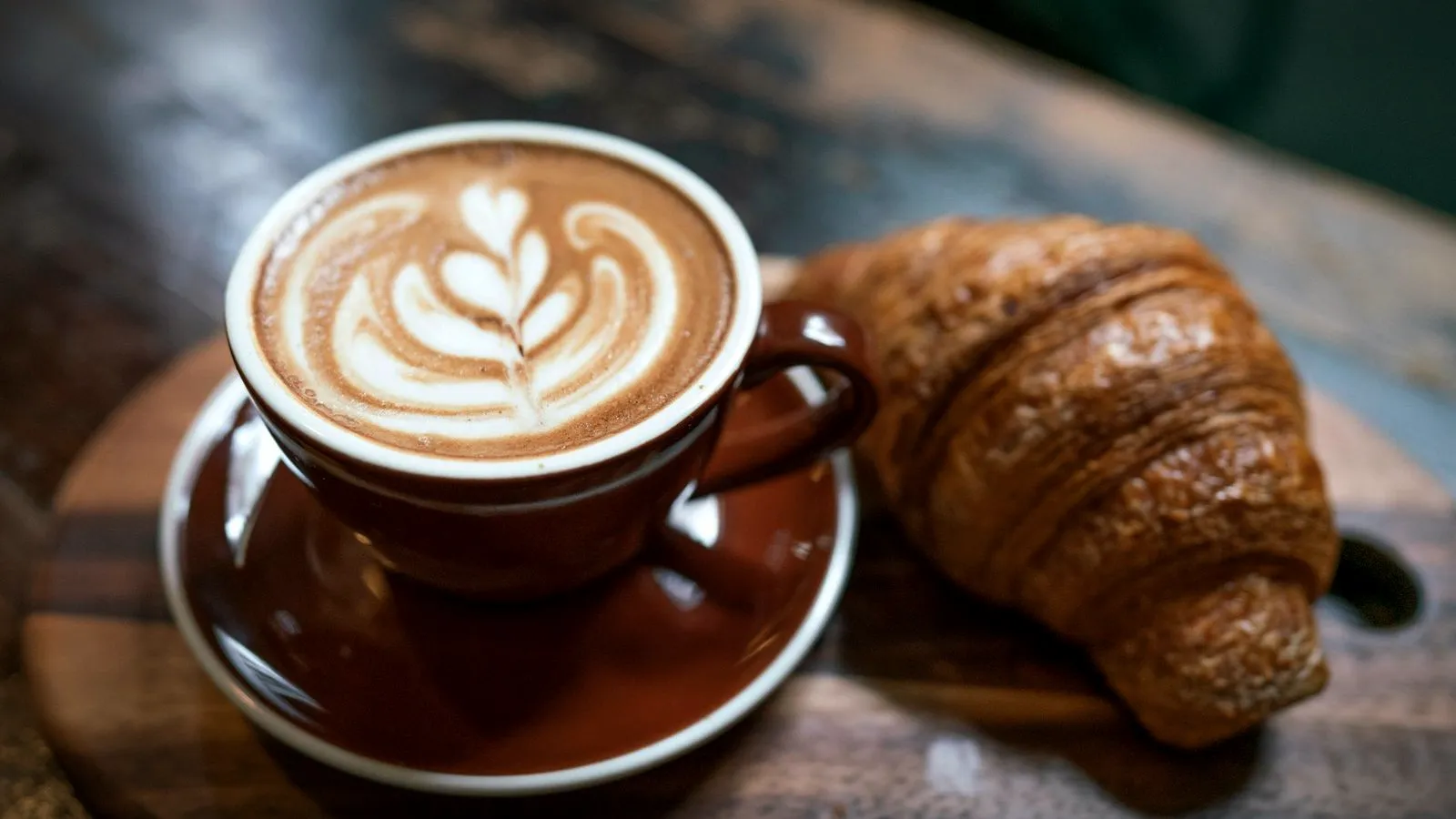
In an Italian bar, both are everyday orders, but at different times.
- Caffè macchiato: barely more than an espresso, so it fits any time of day and is finished in a few sips.
- Cappuccino: traditionally a breakfast drink rather than something ordered after lunch.
Italian drinks are also small. A certified Italian espresso is about 25 ml, so an Italian macchiato is roughly an ounce, and competition rules put a cappuccino in a 150–180 ml cup.
Which one should you order?
Order a macchiato if you like espresso and want it only slightly softened, and a cappuccino if you want a small, foamy drink where milk tames the coffee.
| Choose a macchiato if you… | Choose a cappuccino if you… |
|---|---|
| Like espresso but want it slightly softer | Find straight espresso too intense |
| Want a quick drink finished in a few sips | Want a small drink to sip slowly |
| Care about tasting the coffee itself | Like a light, foamy texture |
| Want almost no calories from milk | Want some creaminess without a big cup |
If you want something between the two, a cortado uses roughly equal espresso and warm milk; see cortado vs latte. For a smoother, stronger alternative to the cappuccino, compare it in flat white vs cappuccino.
Making them at home
Both drinks start with a good shot; the macchiato then gets a spoonful of foam and the cappuccino a full pour of steamed milk and foam. If you are new to your machine, start with how to use an espresso machine.
Espresso macchiato
- Pull a single or double shot into a warm espresso cup.
- Steam a little milk until it has a thick foam on top.
- Spoon 1–2 teaspoons of foam onto the center of the crema.
Cappuccino
- Pull a shot into a 150–180 ml cup.
- Steam about 100 ml of cold milk, adding air until the volume grows noticeably.
- Pour, letting a thick layer of foam, at least 1 cm, settle on top.
A thick-walled cup keeps both drinks hot. Our guide to ceramic espresso cups covers the right size for each.
The bottom line
A macchiato is espresso with a spot of foam: tiny, intense and nearly calorie-free. A cappuccino is espresso with steamed milk and a thick foam cap: larger, softer and creamier. With the same number of shots, both carry the same caffeine. If a menu’s macchiato comes with syrup and caramel, it is a latte-style drink, so ask for an espresso macchiato when you want the original.
Sources
- Istituto Espresso Italiano: Certified Italian Espresso and Cappuccino (about 25 ml espresso; cappuccino with 25 ml espresso + 100 ml steamed milk)
- World Coffee Events: 2015 World Barista Championship Rules and Regulations (archived; cappuccino 150–180 ml with at least 1 cm of foam)
- Breville: Macchiato recipe (“stained” or “spotted”; 2 teaspoons of textured milk; demitasse of about 2–3 fl oz) and How are flat whites, cappuccinos & lattes different? (Capuchin name)
- USDA FoodData Central: Espresso, restaurant-prepared (212 mg caffeine and 9 kcal per 100 g) and Milk, whole (61 kcal per 100 g)
- Starbucks: Espresso Macchiato, Cappuccino and Caramel Macchiato nutrition (sizes, recipes, calories, sugar, caffeine) and Vanilla Macchiato story (archived; “macchiato” means “marked”)