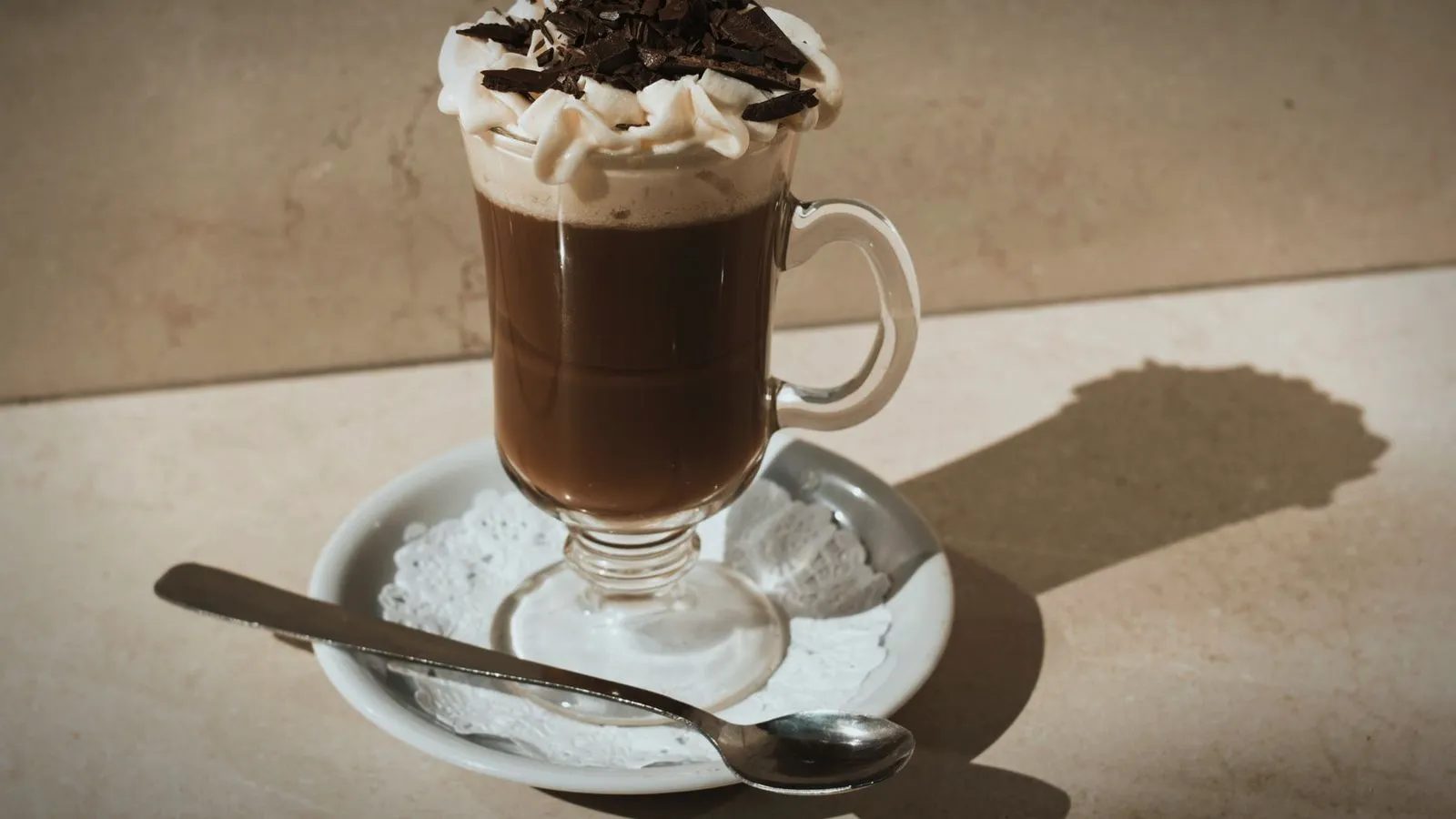
Mocha vs latte comes down to chocolate. A latte is espresso with steamed milk and a thin layer of foam. A mocha is the same drink with chocolate added, usually as a sweet sauce or as cocoa powder and sugar, and often finished with whipped cream. The latte tastes creamy and coffee-led; the mocha tastes like coffee meets hot chocolate.
Because the base is identical, the differences show up in sweetness, calories and a small amount of extra caffeine from cocoa. This guide compares them with official numbers. To place both among the other café drinks, see our overview of types of espresso drinks.
The short answer
| Mocha (caffè mocha) | Latte (caffè latte) | |
|---|---|---|
| What it is | Espresso, chocolate and steamed milk | Espresso and steamed milk |
| Chocolate | Chocolate sauce, or cocoa powder plus sugar | None |
| Topping | Often whipped cream | Thin layer of microfoam |
| Espresso | 1–2 shots | 1–2 shots |
| Taste | Sweet, chocolatey, rich | Mild, creamy, coffee-forward |
| Sugar | Added sugar from the chocolate | Only milk’s natural sugar |
| Caffeine | Shots plus a little from cocoa | Shots only |
| Starbucks grande (16 oz) | 370 kcal, 35 g sugar, 175 mg caffeine | 190 kcal, 18 g sugar, 150 mg caffeine |
Café recipes differ in how much chocolate and milk they use, so treat the numbers as one chain’s reference, not a rule.
What is the difference between a mocha and a latte?
The difference between a mocha and a latte is a single ingredient: chocolate.
- Latte: short for caffè latte, “milk coffee.” One or two shots of espresso are topped with steamed milk and a thin layer of microfoam.
- Mocha: short for caffè mocha, espresso and steamed milk with chocolate added. The name goes back to Mocha (Mokha), the Yemeni port city that gave its name to Arabian coffee in the early coffee trade.
A useful way to think about it: a mocha is a latte crossed with a hot chocolate. The espresso and milk are the same; the chocolate changes the taste, the sugar and the texture.
Mocha vs latte: ingredients and ratios
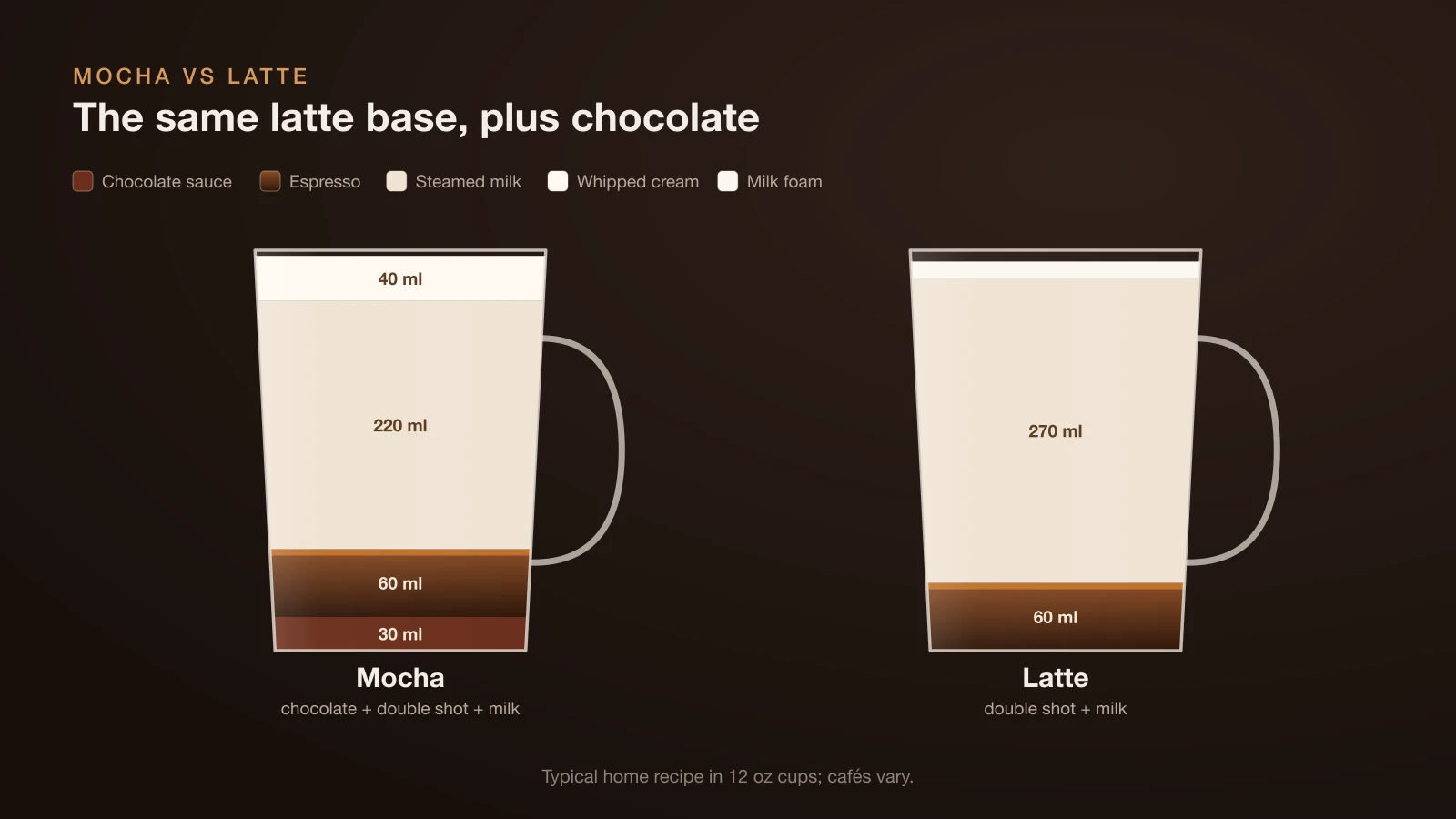
A mocha and a latte share the same espresso and steamed milk; the mocha adds 1–2 tablespoons of chocolate sauce, or about a tablespoon of cocoa plus sugar. Sizes vary widely, so the milk amounts below are typical ranges.
| Mocha | Latte | |
|---|---|---|
| Espresso | 1–2 shots | 1–2 shots |
| Chocolate | 1–2 tbsp sauce, or about 1 tbsp cocoa plus sugar | None |
| Steamed milk | Roughly 6–12 oz or more | Roughly 6–12 oz or more |
| Topping | Whipped cream or foam | Thin microfoam |
| Total | 8–20 oz | 8–20 oz |
Starbucks is a good real-world reference because it publishes its recipes. Its grande Caffè Latte is two shots of espresso with 2% milk. Its grande Caffè Mocha is the same two shots and milk plus four pumps of mocha sauce and sweetened whipped cream.
For the latte side in detail, see how to make a latte.
Chocolate sauce vs cocoa powder
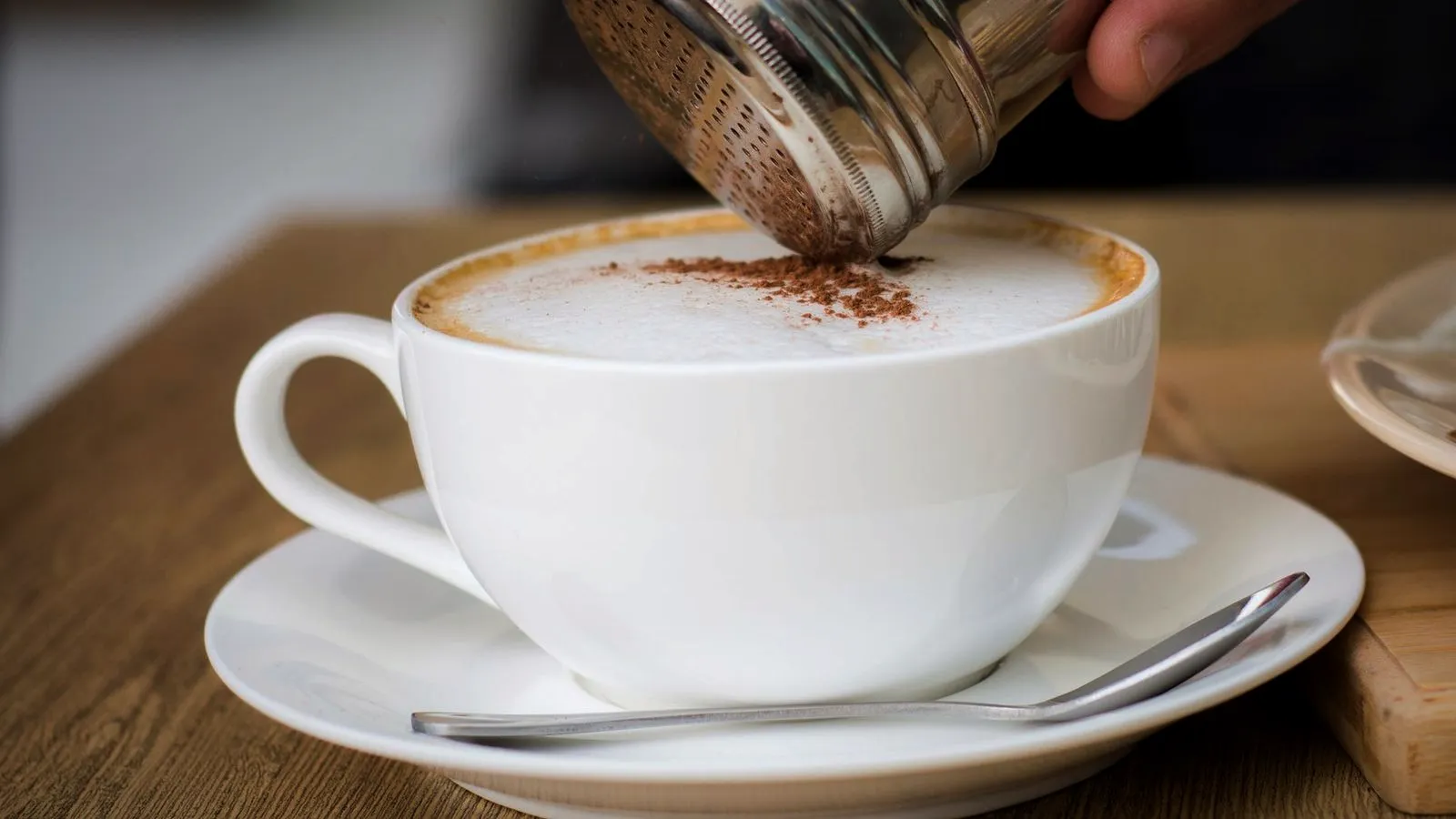
Chocolate sauce makes a sweeter, smoother mocha, while unsweetened cocoa powder makes a darker one and leaves the sugar up to you.
- Chocolate sauce or syrup: already sweetened and liquid, so it blends easily. Most cafés use it. USDA lists chocolate syrup at 279 kcal per 100 g, so a 2-tablespoon serving (39 g) adds about 110 calories.
- Cocoa powder: unsweetened and intense. USDA lists it at 228 kcal per 100 g; one tablespoon (5.4 g) adds only about 12 calories, plus whatever sugar you stir in.
- Melted chocolate: richer and thicker, somewhere between the two, depending on the chocolate’s cocoa content.
Cocoa powder gives a darker, less sweet mocha and lets you control the sugar. Sauce gives the smooth, dessert-like flavor most chains serve.
Sweetness and taste
A plain latte has no added sugar. It tastes sweet only because steamed milk brings out its natural lactose. Starbucks lists 18 g of sugar in a grande latte, all of it from the milk.
A mocha adds sweetened chocolate on top of that. The same chain lists 35 g of sugar in a grande mocha, almost double. The chocolate also covers the espresso’s bitterness, which is why many people who find coffee too bitter start with a mocha.
If you want a flavored drink that is less sweet, a latte with a small amount of syrup or cocoa lets you set the level yourself. A hazelnut latte works the same way: one tablespoon of syrup instead of two cuts the sugar noticeably.
Mocha vs latte caffeine
Most of the caffeine in both drinks comes from the espresso. USDA data puts espresso at about 212 mg of caffeine per 100 g, or roughly 63 mg in a 1 oz shot. For more detail, see how much caffeine is in an espresso shot.
Chocolate adds a little more:
- Cocoa powder: USDA lists 230 mg of caffeine per 100 g, so one tablespoon (5.4 g) adds about 12 mg.
- Chocolate syrup: USDA lists only 6 mg per 100 g, so 2 tablespoons add about 2 mg.
- Starbucks mocha sauce: the chain lists a grande mocha at 175 mg and a grande latte at 150 mg with the same two shots, so the sauce adds about 25 mg.
Cocoa also contains theobromine, a milder stimulant related to caffeine. USDA lists about 2,060 mg per 100 g of cocoa powder. White chocolate contains no cocoa solids, so a white mocha adds no caffeine: Starbucks lists its grande White Chocolate Mocha at 150 mg, the same as its latte.
Mocha vs latte calories
Milk sets the baseline; chocolate and whipped cream push a mocha well above it.
| Starbucks (2% milk) | Caffè Latte | Caffè Mocha |
|---|---|---|
| Tall (12 oz) | 150 kcal, 14 g sugar | 290 kcal, 27 g sugar |
| Grande (16 oz) | 190 kcal, 18 g sugar | 370 kcal, 35 g sugar |
| Venti (20 oz) | 250 kcal, 23 g sugar | 450 kcal, 45 g sugar |
At home, you can estimate your own. USDA lists whole milk at 61 kcal per 100 g, so 8 oz (244 g) is about 150 kcal. Add about 110 kcal for 2 tablespoons of chocolate syrup, or about 12 kcal for a tablespoon of cocoa plus about 16 kcal for each teaspoon (4.2 g) of sugar. Skipping the whipped cream saves the most at a café.
These are estimates based on those assumptions. Milk type, size and toppings change them a lot.
Mochaccino vs latte
“Mochaccino” is a name many cafés use for the caffè mocha, so the two words usually mean the same drink. Because the word borrows from “cappuccino,” some cafés serve it with a thicker layer of foam, so it is worth asking.
Either way, the comparison with a latte is the same: a mochaccino adds chocolate and sugar, tastes sweeter and carries slightly more caffeine if it is made with cocoa. If the foam matters to you, our comparison of flat white vs cappuccino explains the difference between thin microfoam and a thick foam cap.
Which should you order?
Order a mocha when you want a sweet, chocolatey treat that hides the espresso’s bitterness, and a latte when you want a creamy, lower-sugar drink where the coffee still leads.
| Choose a mocha if you… | Choose a latte if you… |
|---|---|
| Like sweet, dessert-style drinks | Want to taste the coffee itself |
| Find espresso too bitter | Want little or no added sugar |
| Enjoy hot chocolate | Want a base for your own flavors |
| Want an occasional treat | Drink one every day |
If you like the latte but want it smaller and stronger, compare it with a cortado vs latte. For a lightly spiced alternative, a dirty chai latte adds chai to the espresso instead of chocolate. And if you want the opposite of a mocha, almost pure espresso, see how a macchiato compares with a mocha or macchiato vs cappuccino.
How to make a mocha at home
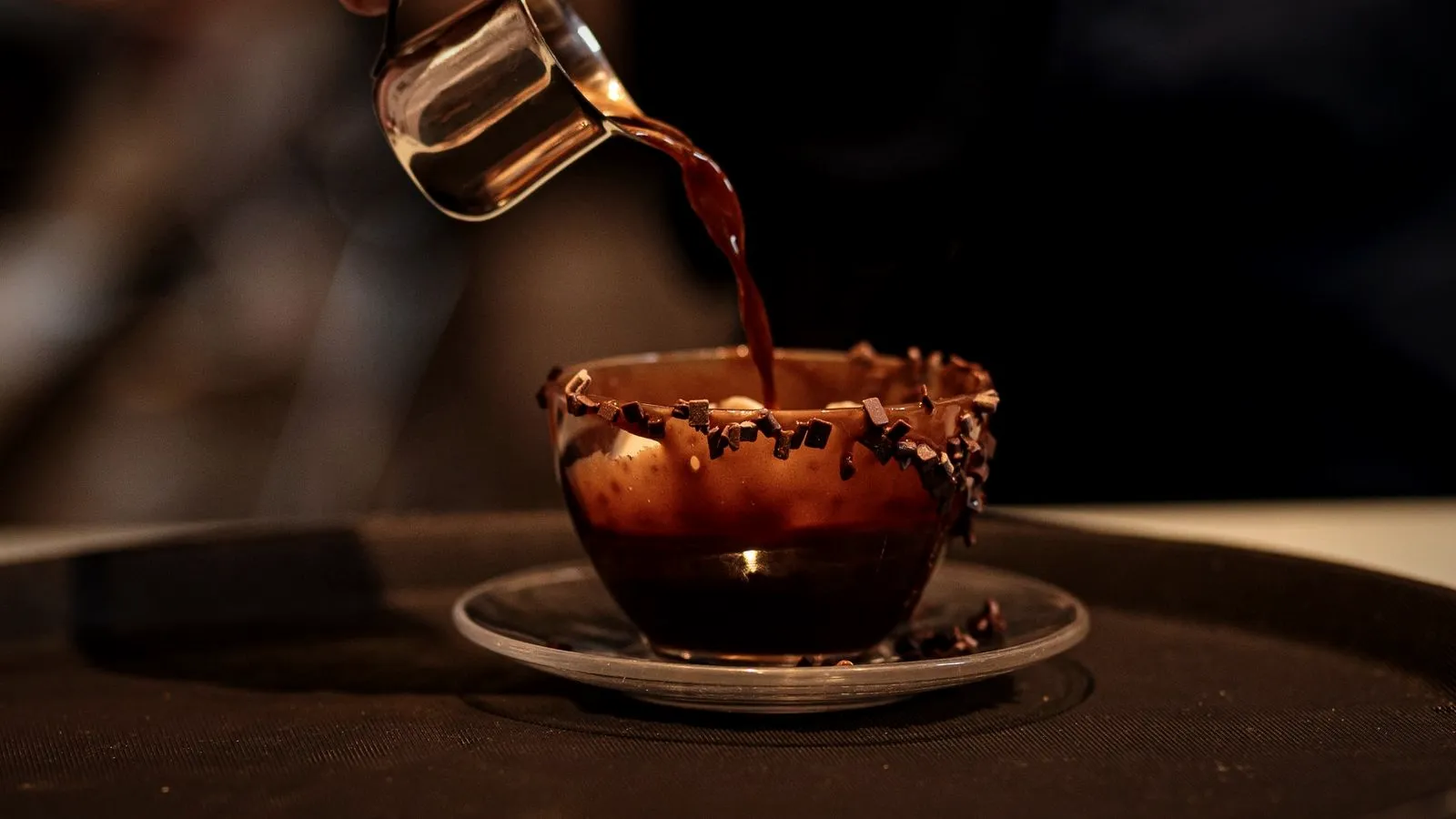
A mocha is a latte with one extra step. If you are new to your machine, start with how to use an espresso machine.
- Put 1 tablespoon of cocoa powder and 1–2 teaspoons of sugar in a 10–12 oz cup, or use 1–2 tablespoons of chocolate sauce.
- Pull a single or double shot directly onto the chocolate and stir until smooth.
- Steam 6–8 oz of cold milk to about 60–65 °C (140–150 °F).
- Pour the milk into the chocolate espresso. Top with a little foam, whipped cream or a dusting of cocoa.
For the latte, skip step 1. Our guide to steaming milk for espresso drinks covers the milk technique for both.
The bottom line
A mocha is a latte with chocolate: sweeter, richer and higher in calories, with a little extra caffeine from cocoa. A latte is espresso and steamed milk: creamy, lower in sugar and more coffee-forward. Choose a mocha as a treat or if coffee tastes too bitter to you; choose a latte to taste the coffee and control the sugar.
Sources
- Starbucks: Caffè Mocha, Caffè Latte and White Chocolate Mocha nutrition (recipes, sizes, calories, sugar, caffeine)
- USDA FoodData Central: Cocoa, dry powder, unsweetened (230 mg caffeine, 2,060 mg theobromine, 228 kcal per 100 g; 1 tbsp = 5.4 g), Beverages, chocolate syrup (279 kcal and 6 mg caffeine per 100 g; 2 tbsp = 39 g), Espresso, restaurant-prepared (212 mg caffeine per 100 g), Milk, whole (61 kcal per 100 g; 1 cup = 244 g) and Sugars, granulated (387 kcal per 100 g; 1 tsp = 4.2 g)
- National Coffee Association: History of coffee (Arabian coffee called Mocha after the Yemeni port city)
- Breville: Mocha recipe (espresso, steamed milk and drinking chocolate)