

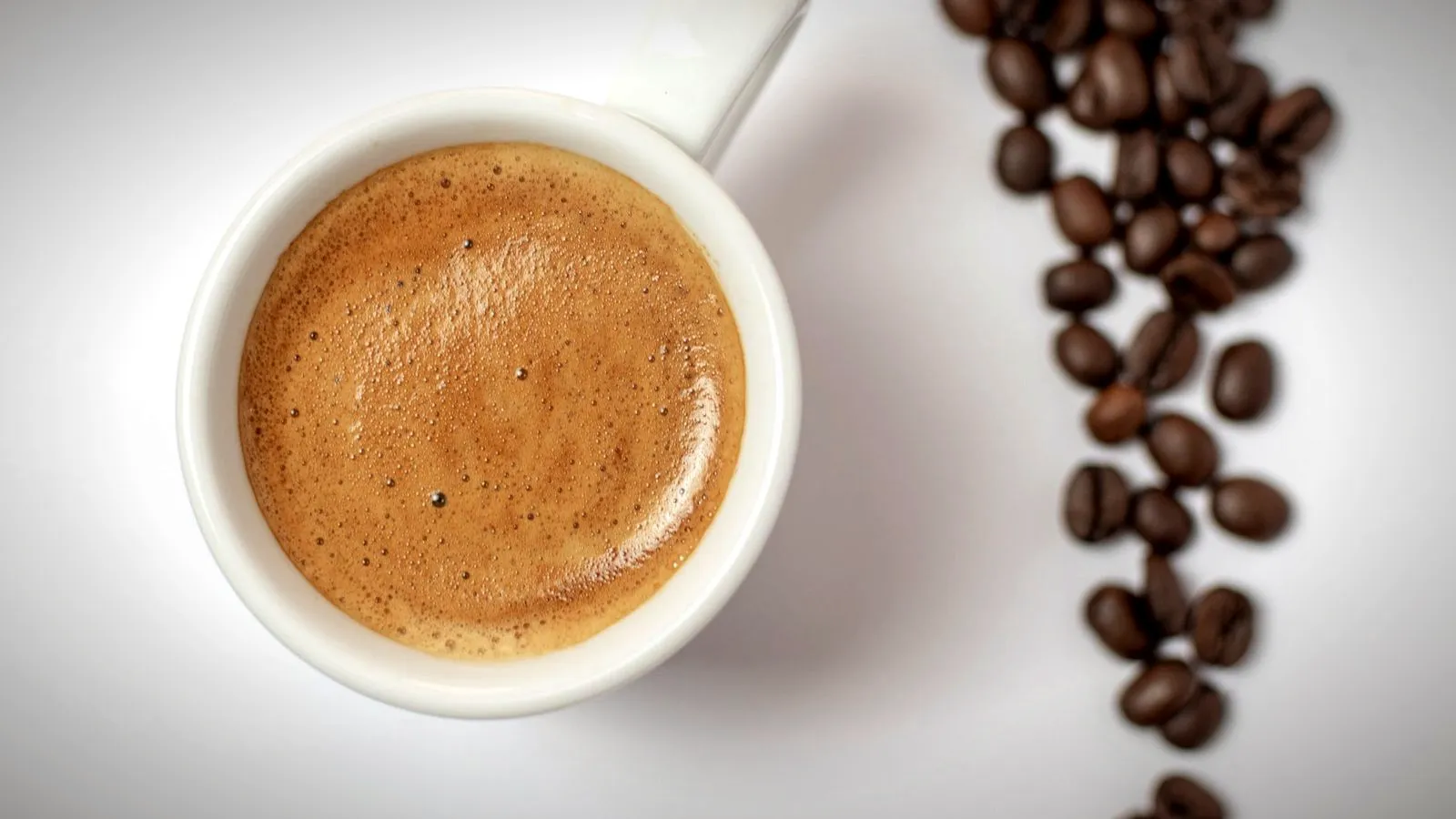
Espresso beans vs coffee beans is a question of labels, not plants. Both are the roasted seeds of the coffee plant, almost always Coffea arabica, Coffea canephora (robusta) or a blend of the two. When a bag says “espresso beans,” it tells you how the roaster intends the coffee to be brewed, not what kind of bean is inside.
What does differ is the roast, the blend and, above all, how the beans are ground and brewed. Those choices change the cup a lot. This guide covers each difference, clears up the common myths and explains when you can swap one for the other.
The short answer
| Espresso beans | “Regular” coffee beans | |
|---|---|---|
| Plant | Same (arabica, robusta or both) | Same |
| Typical roast | Medium-dark to dark | Light to medium |
| Typical blend | Often a blend, sometimes with robusta | Single origins and blends |
| Grind for brewing | Fine | Medium (drip) to coarse (French press) |
| Brew method | Hot water at about 9 bar of pressure, 25–30 seconds | Gravity or immersion, 3–5 minutes |
| Taste goal | Body, sweetness, low acidity, crema | Clarity, aroma, balanced acidity |
What are espresso beans, exactly?
“Espresso beans” is a roasting and marketing term. Roasters use it for coffees they have developed to taste good when brewed under pressure: usually a blend, usually roasted a little longer, and chosen for body and sweetness rather than bright acidity.
Nothing about the plant, the farm or the processing makes a bean an espresso bean. The same green coffee could be sold as a light “filter roast” and, roasted longer, as an “espresso roast.”
Roast: why espresso beans are usually darker
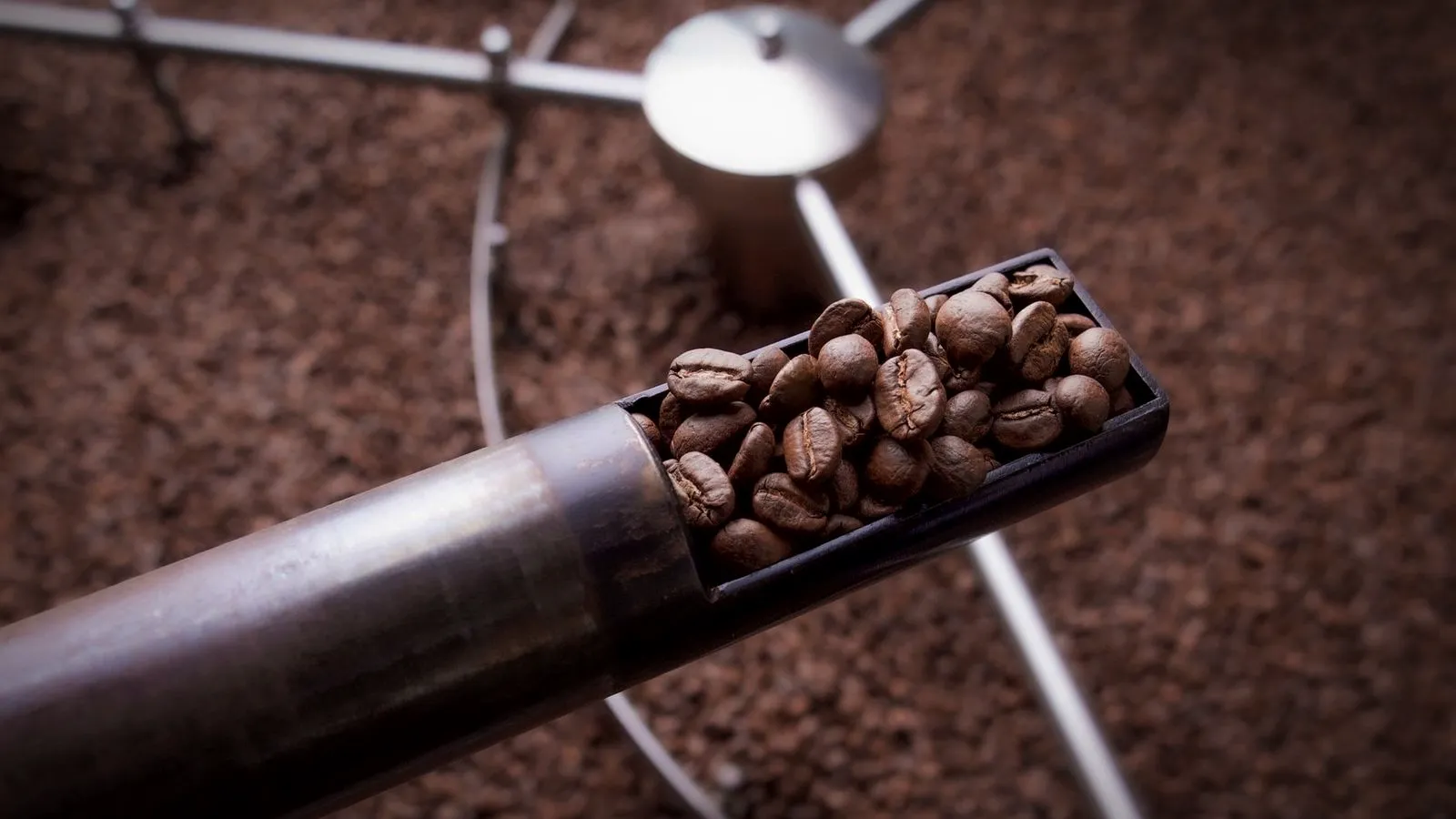
Espresso squeezes a lot of flavor out of a small amount of coffee in under half a minute. That concentration amplifies everything, including acidity. A roast that tastes bright and pleasant as drip can taste sharp or sour as espresso.
Roasting longer breaks down more of the acids and caramelizes more sugar, which is why traditional espresso roasts sit in the medium-dark to dark range. Darker beans are also more soluble, so they extract more easily in the short espresso brew time.
Roast names help you read a bag:
| Roast level | Common names | What to expect |
|---|---|---|
| Light | Cinnamon, city, “filter roast” | Bright, fruity, tea-like; hard to extract as espresso |
| Medium | City+, full city | Balanced; the easiest starting point for home espresso |
| Medium-dark | Full city+, Vienna | Chocolate, caramel, fuller body; classic espresso roasts |
| Dark | French, Italian | Smoky, bitter-sweet, low acidity; oily surface |
This is a convention, not a rule. Many specialty roasters now sell lighter “espresso roasts” that are fruitier and brighter. They can be excellent, but they need a finer grind, a higher brew temperature or a longer shot to taste balanced.
Blend: the robusta question
Classic Italian espresso blends often include some robusta. Robusta beans contain roughly twice the caffeine of arabica, taste heavier and more bitter, and help produce a thick, long-lasting crema. Most coffee sold for drip brewing in the US is 100% arabica.
If a bag of espresso beans doesn’t say “100% arabica,” check the label. A robusta component isn’t a flaw, but it changes the flavor noticeably.
Grind: the difference that matters most
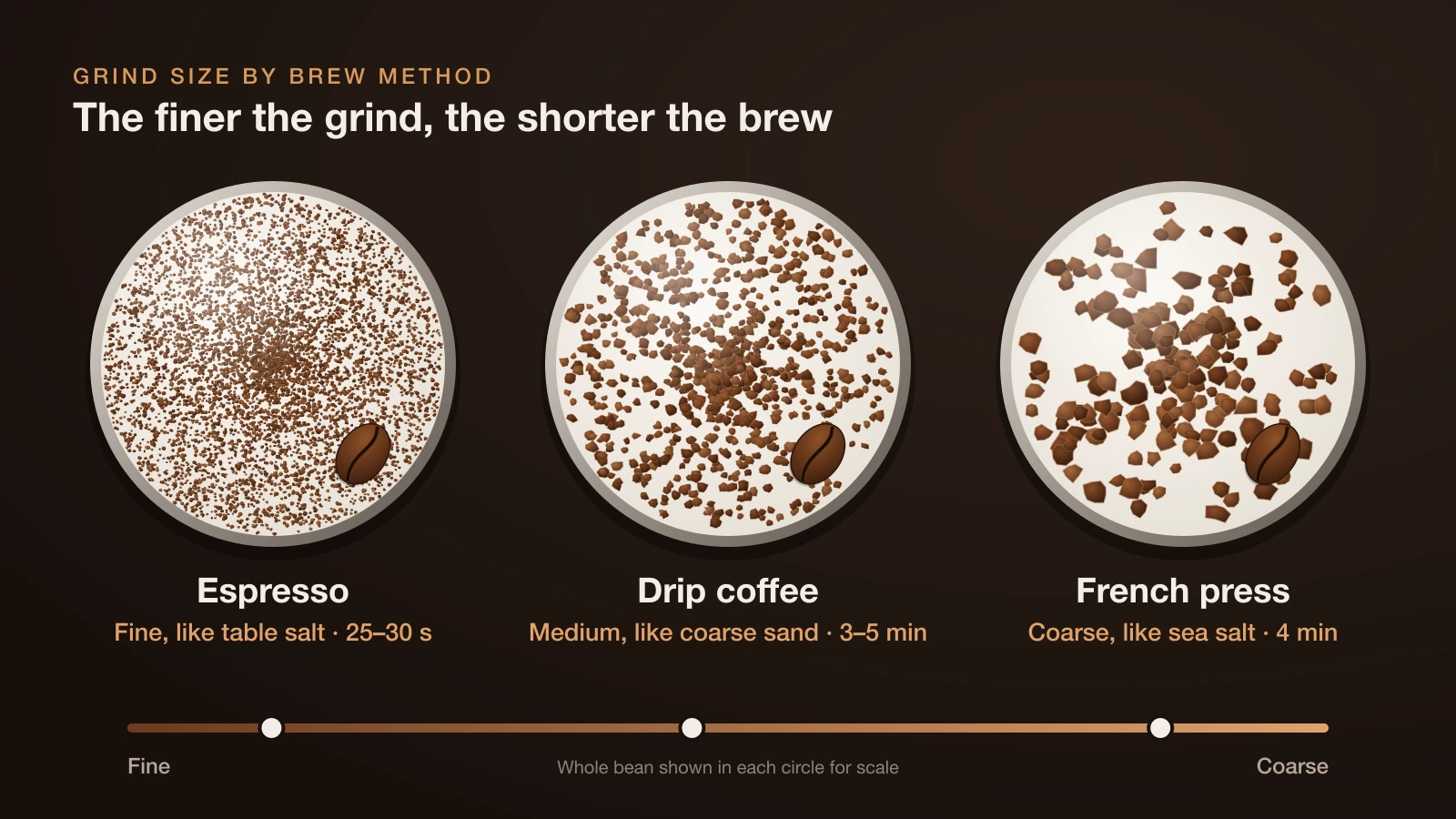
Grind size has more effect on your cup than the label on the bag.
- Espresso needs a fine grind, a little finer than table salt. The fine particles create resistance so the machine’s pressure can push water through the coffee in 25–30 seconds.
- Drip coffee needs a medium grind, similar to coarse sand.
- French press and cold brew need a coarse grind.
Using an espresso grind in a drip machine over-extracts the coffee and makes it bitter; it can also clog the filter. Using a drip grind in an espresso machine lets water rush through, giving a thin, sour shot with little crema.
For the same reason, pre-ground coffee labeled “espresso” is only worth buying if you brew espresso or use a moka pot. For everything else, buy whole beans or a grind that matches your brewer.
Brewing ratio and strength
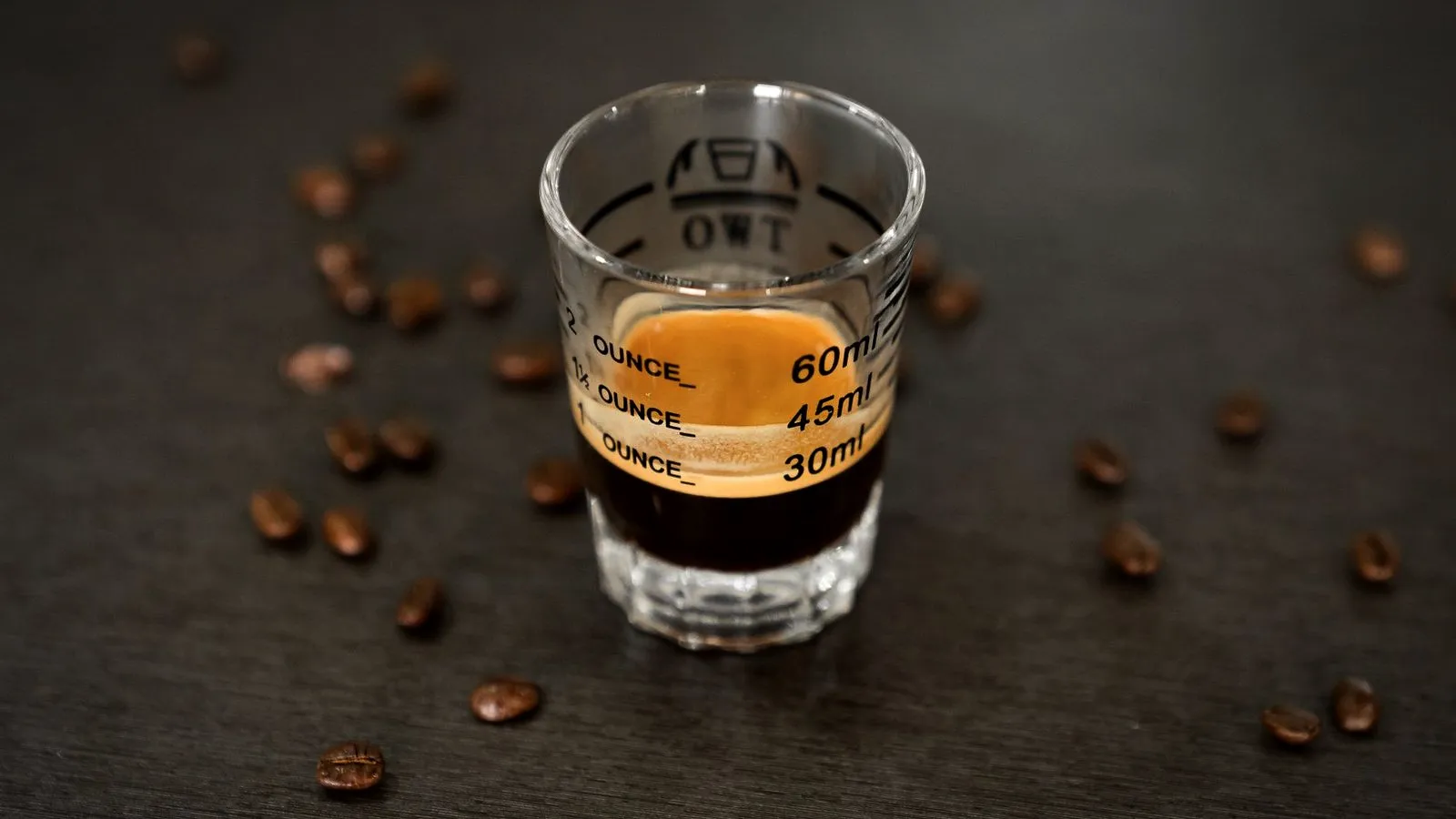
Espresso uses far less water per gram of coffee:
- A typical double shot uses about 18 g of coffee to produce about 36 g of espresso (a 1:2 ratio).
- Drip coffee typically uses a ratio of about 1:15 to 1:17, for example 20 g of coffee to 320 g of water.
That’s why espresso tastes so much stronger. It isn’t a different bean; it’s the same coffee dissolved in much less water.
Caffeine: espresso beans vs coffee beans
It depends on how you measure. USDA nutrient data puts espresso at about 212 mg of caffeine per 100 g and brewed coffee at about 40 mg per 100 g. In practical servings:
- Per ounce, espresso has far more caffeine. A single 1 oz shot has about 64 mg.
- Per serving, drip coffee usually wins. An 8 oz cup has about 95 mg.
The bean’s species matters more than the “espresso” label. In laboratory measurements of green coffee, robusta averaged about 2.1% caffeine by weight and arabica about 1.1%. A robusta-heavy espresso blend will therefore have more caffeine than a 100% arabica drip roast brewed the same way.
Common myths about espresso beans
“Espresso beans are a different kind of coffee.” They aren’t. Any arabica or robusta bean can be roasted and sold as an espresso bean.
“Dark roast has more caffeine.” Roasting barely changes the caffeine in a bean. Measured by weight, light and dark roasts are very close; measured by the scoop, dark roast gives slightly less, because darker beans are lighter and less dense. Researchers who tested roast level against brewing found that how you brew matters more than how dark the beans are.
“Espresso always has more caffeine than coffee.” Only per ounce. A mug of drip coffee usually contains more caffeine than a single shot.
“You can’t use espresso beans for drip.” You can. Grind them for your brewer and you’ll get a bold, low-acid cup.
Can you eat espresso beans?
Yes. Roasted beans are edible, and chocolate-covered espresso beans are a popular snack. Eating them delivers all of the bean’s caffeine, so it adds up faster than you might expect.
A rough estimate: a roasted arabica bean weighs about 0.12 g, and at roughly 1.1–1.5% caffeine that works out to about 1.3–1.8 mg per bean. An 8 oz cup of drip coffee has about 95 mg, which is the caffeine in roughly 50–70 arabica beans. Robusta beans carry about twice as much, and the chocolate coating adds a little more.
Can you swap them?
Espresso beans in a drip maker or French press: yes. Grind for your brewer, not for espresso. Expect a bolder, darker, lower-acid cup.
Regular coffee beans in an espresso machine: yes, if they’re fresh and ground fine. Medium roasts are the easiest place to start. Very light roasts are the hardest to dial in.
Whichever you choose, freshness matters more than the label. Look for a roast date on the bag, not just a best-by date. Espresso is commonly brewed within about one to four weeks of roasting. Very fresh beans release a lot of gas and can make shots erratic; stale beans produce little crema and flat flavor.
How to choose beans for espresso at home
- Start with a medium or medium-dark roast. It’s the most forgiving while you learn to dial in.
- Buy whole beans with a recent roast date and grind just before brewing.
- Decide on flavor: chocolate and nutty notes come from darker roasts and Brazilian or blended coffees; fruity notes from lighter roasts and many African coffees.
- Check for robusta if you’re sensitive to caffeine or dislike bitterness.
- Buy small bags you’ll use within two to three weeks.
The bottom line
“Espresso beans” is a roasting and blending style, not a different type of coffee. Any fresh bean can make espresso, and any espresso bean can make drip coffee. Match the grind to your brew method, pick a roast you enjoy and pay attention to the roast date. That matters far more than which word is on the bag.
Sources
- USDA FoodData Central: Coffee, brewed, espresso, restaurant-prepared (caffeine per 100 g)
- USDA FoodData Central: Coffee, brewed, prepared with tap water (caffeine per 100 g)
- Biotropia: The chemical characteristics of arabica and robusta green coffee beans (caffeine content by species)
- Daily Coffee News: Do light roasts or dark roasts have more caffeine? (roast level and brewing study)