Espresso beans are regular coffee beans that a roaster has blended and roasted to taste good when brewed as espresso. There is no special espresso plant. What makes good espresso beans is the roast level, the mix of arabica and robusta, and above all freshness, plus a grinder that can grind them fine enough.
This guide covers what to look for on the bag, how roast level and blend change the shot, how to store and grind the beans, and how to choose between beans for straight espresso and milk drinks. For the label question itself, see our comparison of espresso beans vs coffee beans.
The short answer
| What to check | What to look for |
|---|---|
| Roast level | Medium to medium-dark is easiest to dial in |
| Species | 100% arabica for sweetness; some robusta for more body and caffeine |
| Blend vs single origin | Blends are more forgiving; single origins are more distinctive |
| Roast date | A printed date, ideally within the last few weeks |
| Form | Whole bean, ground just before brewing |
| Bag size | Enough for one to two weeks |
| Storage | Airtight, opaque, cool and dark |
What are espresso beans?
“Espresso beans” is a roasting and marketing term, not a type of plant. Roasters use it for coffees they have developed for pressure brewing: usually a blend, usually roasted a little longer, and chosen for body and sweetness rather than sharp acidity.
Espresso concentrates everything in a small cup, including sourness. That is why traditional espresso roasts tend to be darker than filter roasts, and why roasters often pick beans with chocolate, nut and caramel notes. Any fresh bean can still be brewed as espresso; the label only tells you the roaster’s intention.
Espresso bean roast levels
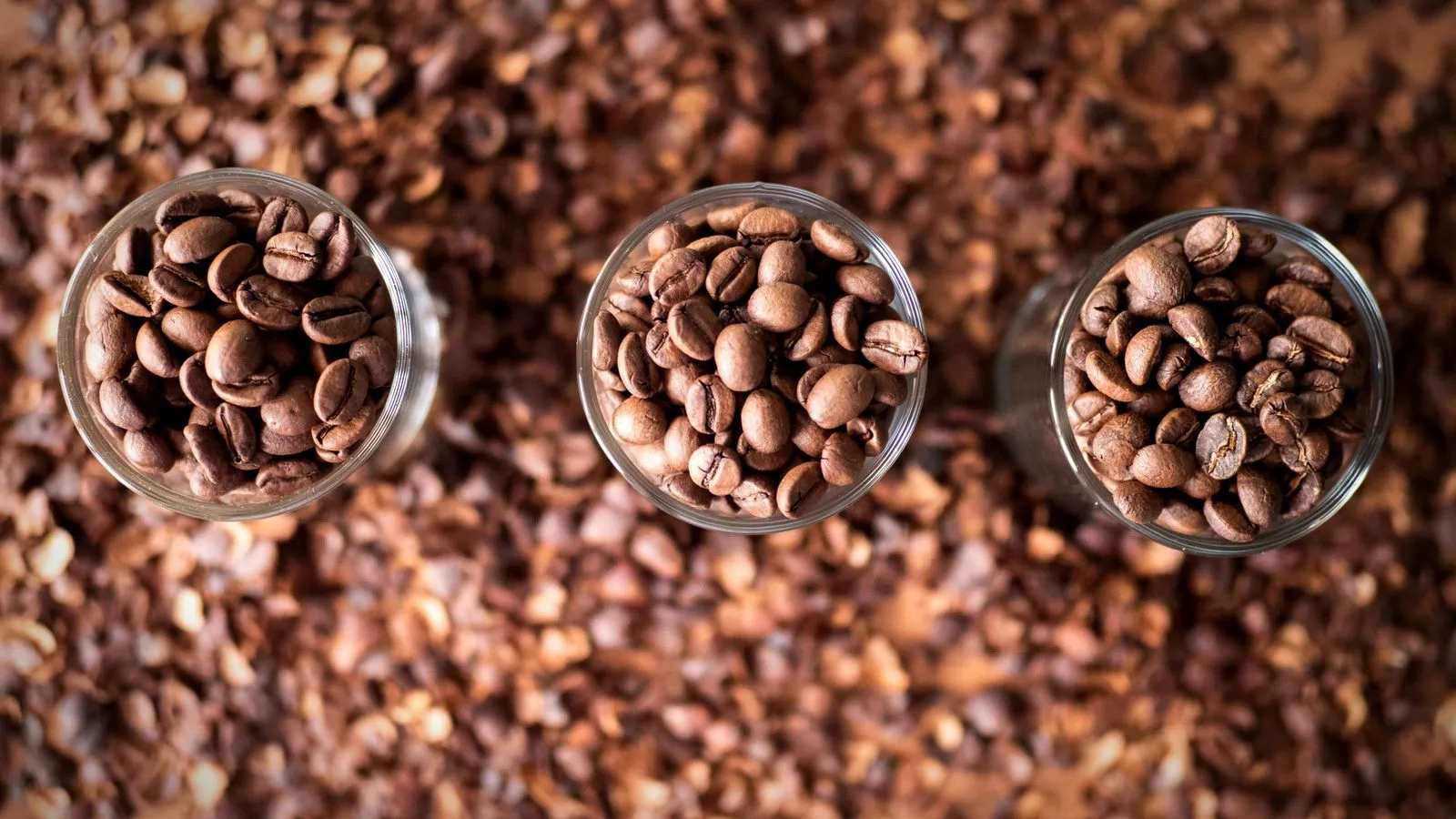
Roast level changes flavor and how easily the coffee extracts. Darker beans are more soluble, so they give up flavor more readily in a 25–30 second shot. Lighter beans are denser and harder to extract. Our espresso roast guide covers how to adjust grind, temperature and ratio for each level.
| Roast level | Flavor in the cup | How it behaves as espresso |
|---|---|---|
| Light | Fruity, floral, bright acidity | Hardest to dial in; needs a fine grind and often a longer shot |
| Medium | Balanced, caramel, some fruit | The most forgiving starting point |
| Medium-dark | Chocolate, nutty, fuller body | Classic espresso profile; excellent with milk |
| Dark | Smoky, bitter-sweet, low acidity | Easy to extract, easy to over-extract; oily surface |
Roast level barely changes caffeine. Studies of roasting show caffeine stays stable, so a dark “bold” espresso roast is not higher in caffeine. For the numbers, see how much caffeine is in a shot of espresso.
Arabica vs robusta espresso beans
Most specialty espresso beans are 100% arabica, which tends to taste sweeter and more complex. Robusta is hardier, more bitter and earthy, and much higher in caffeine: one lab comparison of green beans found an average of 1.09% caffeine in arabica and 2.09% in robusta.
Traditional Italian espresso blends often include some robusta. Roasters add it for heavier body and a thicker, longer-lasting crema. If you like a classic, bittersweet café espresso, a blend with a little robusta can be exactly right. If you prefer sweeter, fruitier shots or want less caffeine, stick with 100% arabica and check the label.
Single-origin vs blend espresso beans
Blends combine coffees from two or more origins. Roasters build them for a consistent, balanced flavor that works both straight and with milk, and that stays similar from bag to bag.
Single-origin espresso beans come from one country, region or farm. They can taste more distinctive, from berry-like Ethiopian coffees to nutty Brazilian ones, but they change with each harvest and are usually less forgiving to dial in.
A good approach is to learn on a blend, then try single origins once you can pull consistent shots.
How to buy fresh espresso beans
Freshness does more for your espresso than any label. Look for these on the bag:
- A roast date. Not just a best-by date, which can be many months away.
- Whole beans. Ground coffee goes stale far faster. The Specialty Coffee Association notes that the carbon dioxide whole beans lose over weeks is lost in minutes once coffee is ground.
- A one-way valve. It lets gas out without letting air in.
- The right bag size. The National Coffee Association suggests buying enough for one or two weeks at a time.
Local roasters and roaster websites usually give you the freshest beans. Supermarket beans can be fine if the roast date is recent. Organic espresso beans are available from many roasters; the certification covers how the coffee was grown, not how it tastes as espresso. If you can only buy pre-ground, our guide to espresso grounds explains how to make it work.
Roast date and resting: when espresso beans taste best
Roasting creates carbon dioxide inside the beans. According to the SCA, degassing happens fast for about the first 20 days after roasting and then slows sharply, and whole beans can reasonably be considered fresh within about three weeks of roasting.
That gas matters for espresso. Fresh beans produce more crema, while stale beans give thin crema and flat flavor. Beans used the day after roasting can go the other way: so much gas escapes during brewing that shots run unevenly. Many home baristas therefore let espresso roasts rest a few days before using them, then aim to finish the bag within the following weeks.
How to store espresso beans
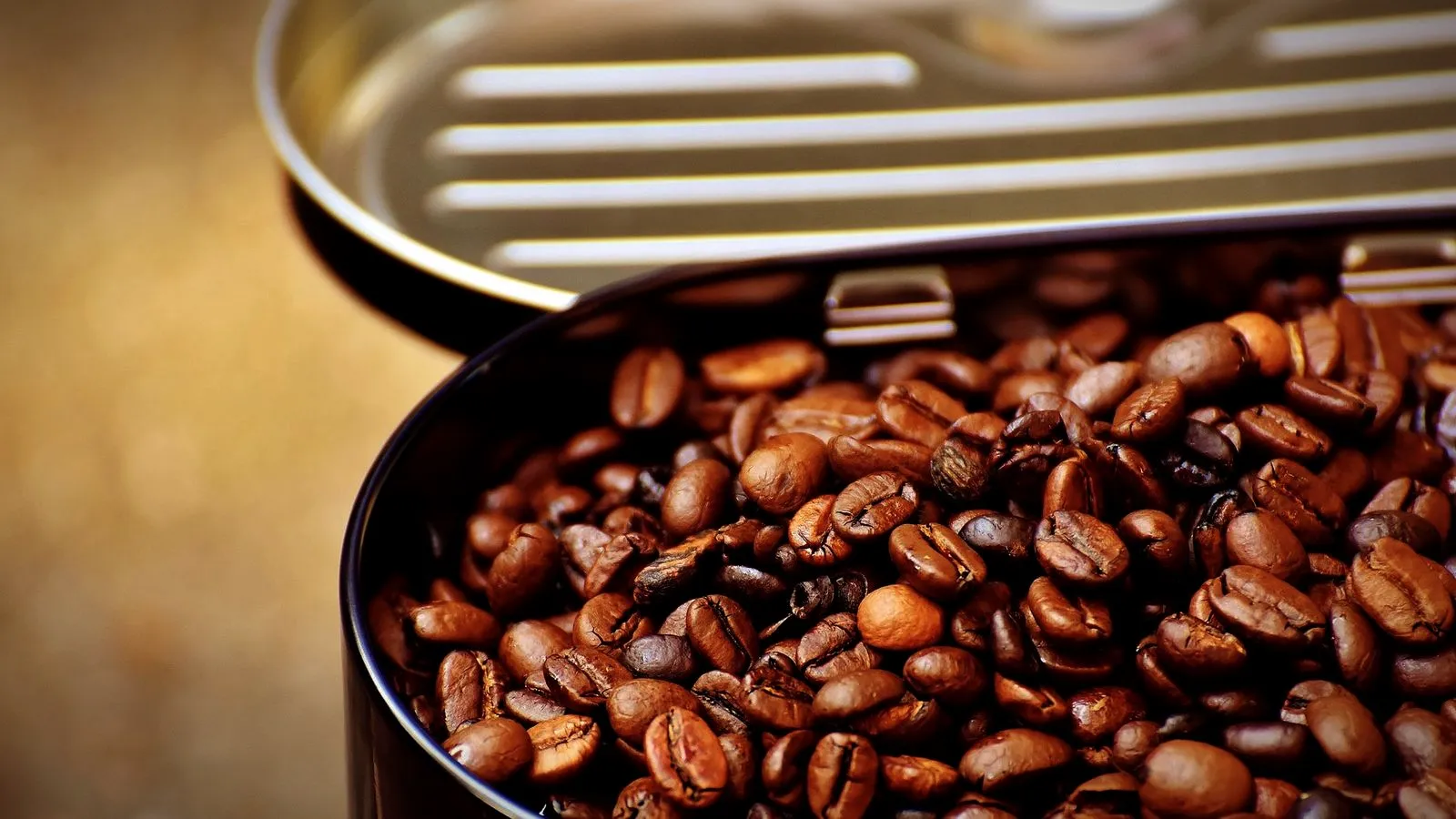
The NCA’s storage advice comes down to keeping out air, light, heat and moisture:
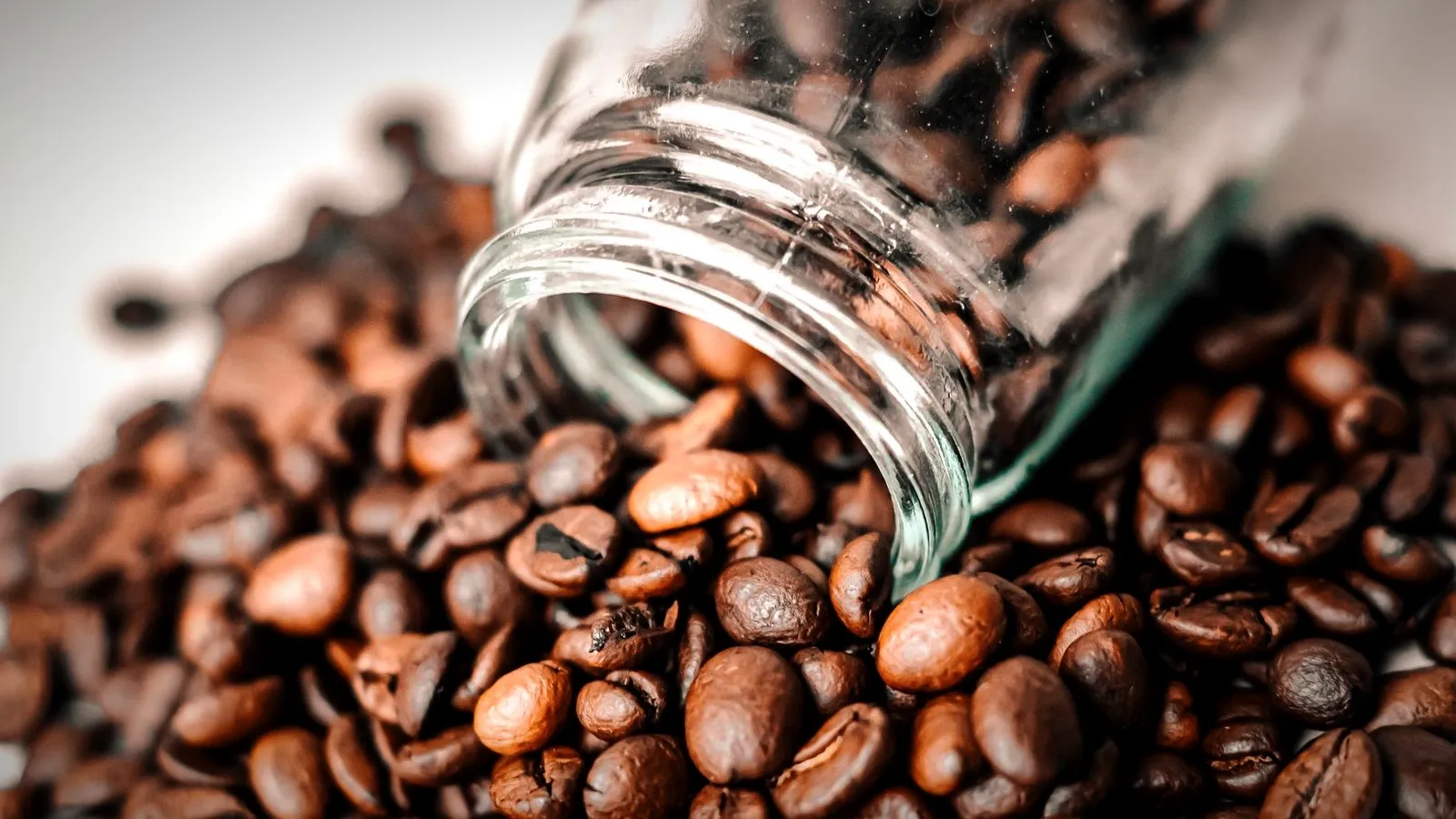
- Use an airtight, opaque container. Clear canisters let in light that affects flavor.
- Keep it cool and dark. Avoid cupboards next to the oven, the dishwasher or sunny windows.
- Skip the fridge for daily beans. Coffee absorbs moisture and odors from the air around it.
- Freeze only surplus beans. Use truly airtight, portioned containers, take out no more than a week’s worth at a time and return the rest before condensation forms.
Keeping beans in the original bag with a one-way valve, pressed flat and sealed, also works well for a bag you’ll finish within a couple of weeks.
How to grind espresso beans
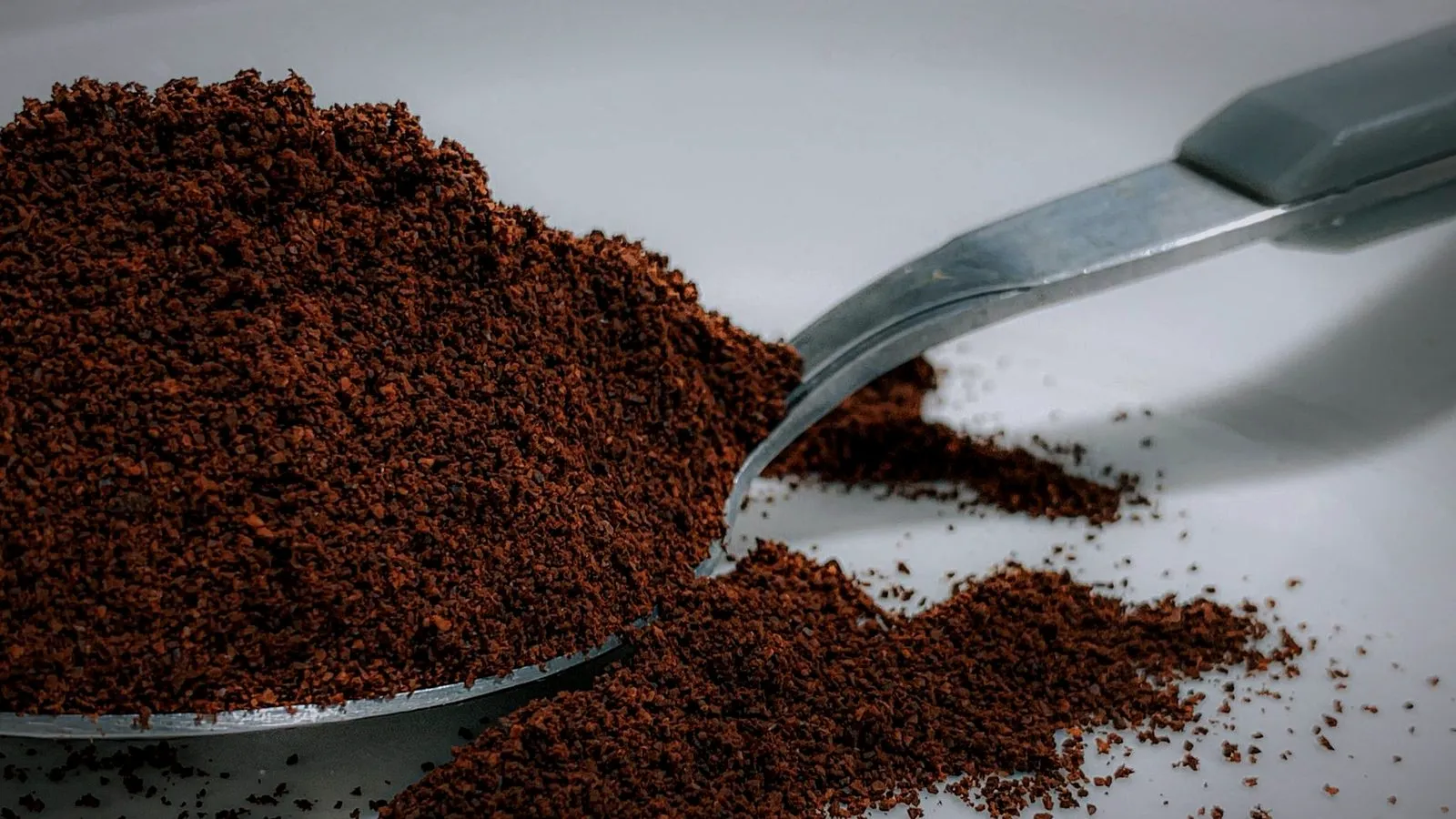
Espresso needs a fine, even grind, roughly a little finer than table salt. The fine particles slow the water so the machine’s pressure can extract the coffee in about 25–30 seconds. Our guide to espresso grind size explains how to find the right setting on your grinder.
- Use a burr grinder. Burrs crush beans to a consistent size, which espresso needs. Blade grinders chop unevenly and can’t grind fine enough reliably.
- Grind right before brewing. Only grind the dose you need.
- Weigh the dose. Breville’s machine manual gives about 8–11 g for a single basket and 16–19 g for a double.
- Adjust in small steps. If the shot runs too fast and tastes sour, grind finer; if it drips slowly and tastes bitter, grind coarser.
As a rough planning figure, a 12 oz (340 g) bag makes about 18 to 21 double shots at those doses. For the full shot routine, see how to use an espresso machine.
Choosing espresso beans for milk drinks vs straight shots
For lattes, cappuccinos and flat whites, choose medium-dark roasts or blends with chocolate, caramel and nutty notes. These flavors cut through milk. Light, fruity coffees often taste thin or sour once milk is added. See espresso with milk for the main drink styles.
For straight espresso, you have more freedom. Medium roasts and single origins show off sweetness and fruit, while darker blends give a classic bittersweet shot.
For decaf, look for beans roasted specifically for espresso; our guide to decaf espresso beans covers the decaffeination methods and how to dial them in.
Can you eat espresso beans?
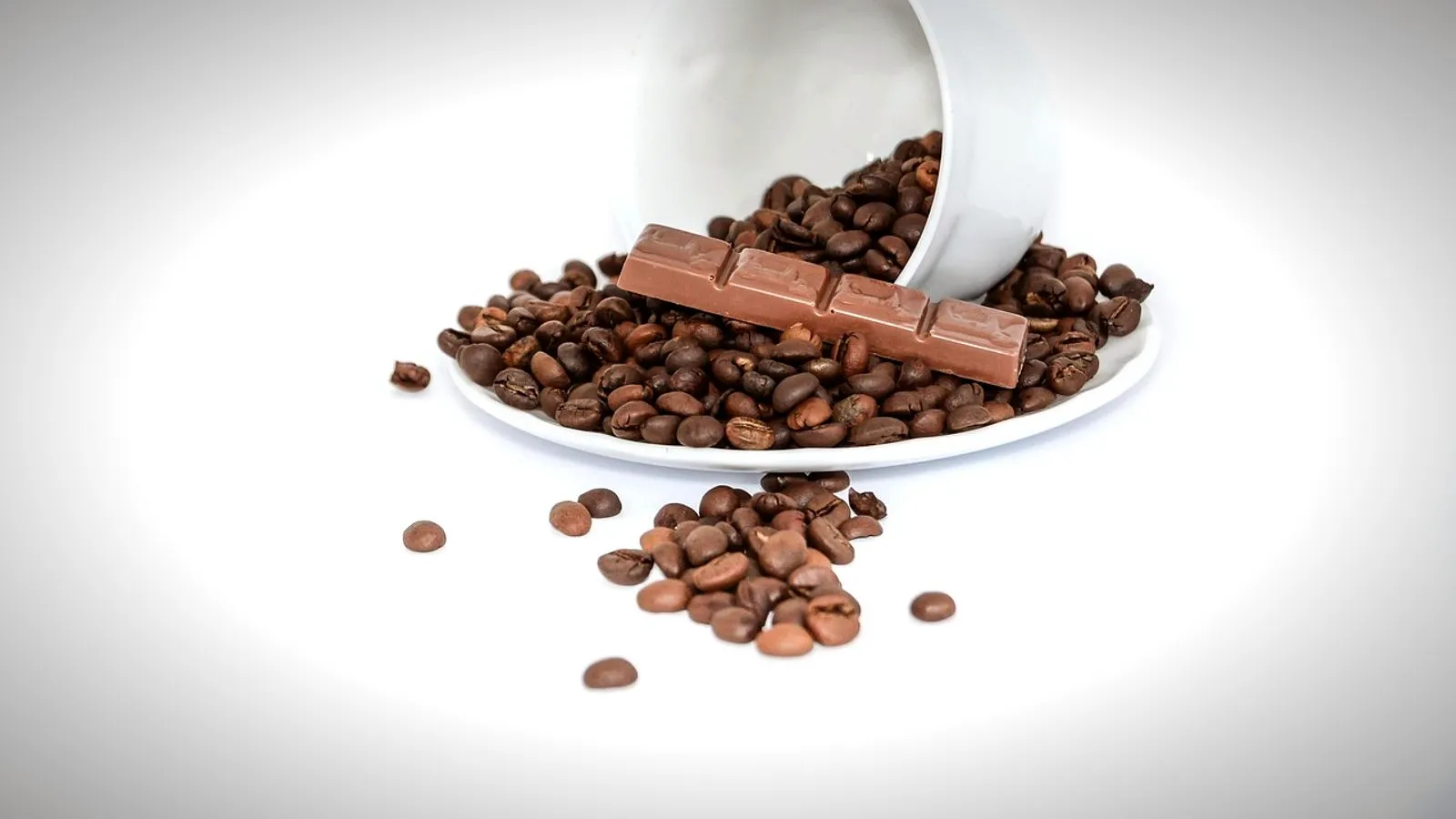
Yes. Roasted coffee beans are edible, and chocolate-covered espresso beans are a popular snack. Our guide to edible espresso beans covers how many are safe to eat. Keep in mind that eating beans delivers all of their caffeine, since none is left behind in spent grounds. That adds up faster than you might think, so treat a handful like a small coffee rather than candy.
Common mistakes with espresso beans
- Buying the biggest bag. It goes stale before you finish it.
- Ignoring the roast date. Best-by dates say little about freshness.
- Starting with a very light roast. It’s the hardest to dial in on a home machine.
- Using pre-ground coffee in a single-wall basket. It’s usually too coarse or too stale for a balanced shot.
- Keeping beans in a clear jar on the counter. Light and warmth speed up staling.
The bottom line
The best espresso beans for most people at home are a fresh, medium to medium-dark roast, bought whole with a recent roast date and ground just before brewing. Choose 100% arabica for sweetness or a blend with some robusta for body and extra caffeine. Store them airtight in a cool, dark place, and buy only what you’ll use within a couple of weeks.
Sources
- Specialty Coffee Association: Coffee Decoded: fresh coffee (degassing, about three weeks of freshness, ground coffee losing CO2 within minutes)
- National Coffee Association: Coffee storage and shelf life (airtight, cool and dark storage; buy for one to two weeks; freezer advice)
- Biotropia: The chemical characteristics of arabica and robusta green coffee beans (1.09% vs 2.09% caffeine)
- Ludwig et al., Food & Function (2014): Variations in caffeine and chlorogenic acid contents of coffees (caffeine stable during roasting)
- Breville: Barista Express BES875 instruction book (single and double dose, 25–30 second shot)