Espresso roast is a roast style, not a special kind of bean. It means coffee a roaster has roasted and blended to taste good as espresso, usually a medium to dark roast. The National Coffee Association notes that it isn’t a specific roast level, so one brand’s espresso roast can be much lighter than another’s.
That flexibility is why the label confuses people. This guide explains what happens during roasting, how light, medium and dark roasts behave in the portafilter, and how to adjust grind, brew temperature and ratio for each. For buying and storing beans, see our complete guide to espresso beans.
The short answer
| Roast | Taste as espresso | How it behaves | Dial-in starting point |
|---|---|---|---|
| Light (blonde, cinnamon, city) | Bright, fruity, more acidic | Hardest to extract; can taste sour | Finer grind, hotter water, longer ratio (toward 1:3) |
| Medium (American, full city) | Balanced, caramel, some fruit | The most forgiving | 1:2, for example 18 g in and 36 g out in 25–30 seconds |
| Medium-dark (Vienna) | Chocolate, nutty, fuller body | Classic espresso roast; strong in milk | 1:2, water toward the lower end |
| Dark (French, Italian) | Smoky, bittersweet, low acidity | Extracts easily; turns bitter fast | Cooler water, shorter ratio, coarser if slow |
Roast names follow the National Coffee Association’s light-to-dark list. Roasters use them loosely, so treat the table as a guide, not a standard.
What does espresso roast mean?
“Espresso roast” describes the roaster’s intention, not a special bean or a fixed roast level. Roasters choose beans and a roast they think will taste best brewed under pressure: often a blend, and often medium to dark. The NCA puts it the same way, saying the coffee in an espresso roast or espresso blend is roasted however the roaster thinks will best serve espresso.
Nothing about the bean itself changes. The same green coffee could be sold as a light filter roast or, roasted longer, as an espresso roast. Our comparison of espresso beans vs coffee beans covers that label question in more depth.
Is espresso roast the same as espresso?
No. Espresso is a brewing method: hot water forced through finely ground coffee under pressure, making a small, concentrated shot. Espresso roast is coffee you can brew that way, or any other way.
Some brands use the name literally. Starbucks sells a coffee called Espresso Roast, a dark-roasted multi-region blend it first created in 1975, with notes of molasses and caramel. Starbucks says it is still the foundation of its espresso drinks.
How beans become an espresso roast
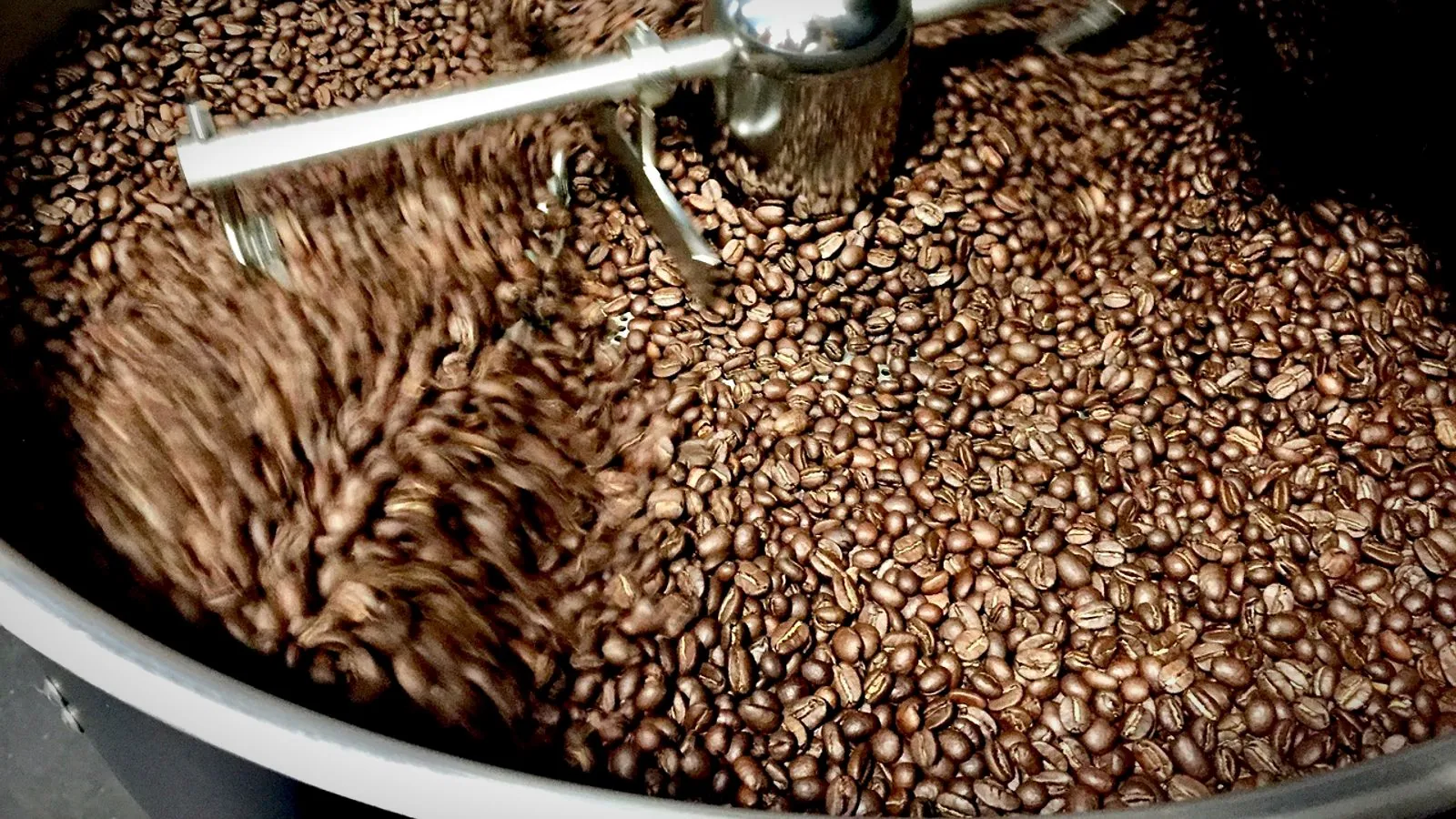
Beans become an espresso roast the same way as any other roast: heat turns hard, grassy-smelling green beans into brittle, aromatic brown ones, and the roaster stops at the level chosen for espresso. According to the NCA, beans are brought quickly to an internal temperature above about 204 °C (400 °F) and then cooled fast, which drives off nearly all their moisture.
Roasters also listen. Research on roasting acoustics describes two sets of cracking sounds:
- First crack: louder, lower-pitched pops that come first.
- Second crack: quieter, faster crackling that comes later, so it is heard in darker roasts.
Several things change as the roast goes on:
- Color. Roasters often measure it with the Agtron scale, where higher numbers mean lighter coffee.
- Acids. Chlorogenic acids break down as roasting temperatures rise, while caffeine stays stable.
- Structure. Beans lose mass and become more porous the further they are roasted.
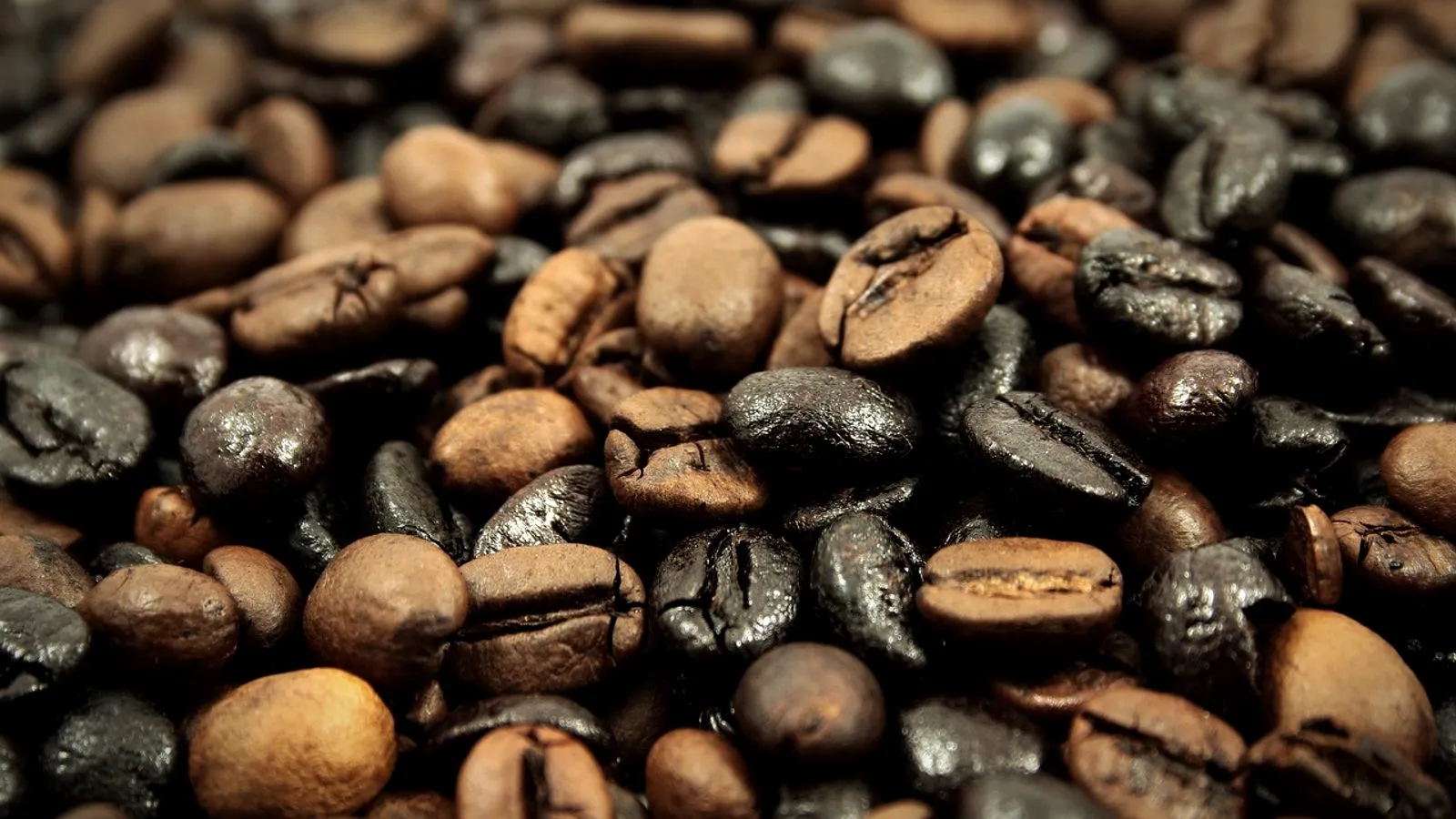
- Oils. Light beans stay matte; dark beans turn shiny as oil reaches the surface.
Those changes explain why a dark espresso roast tastes heavier and less acidic, and why it brews differently from a light one.
Espresso roast levels: light vs medium vs dark
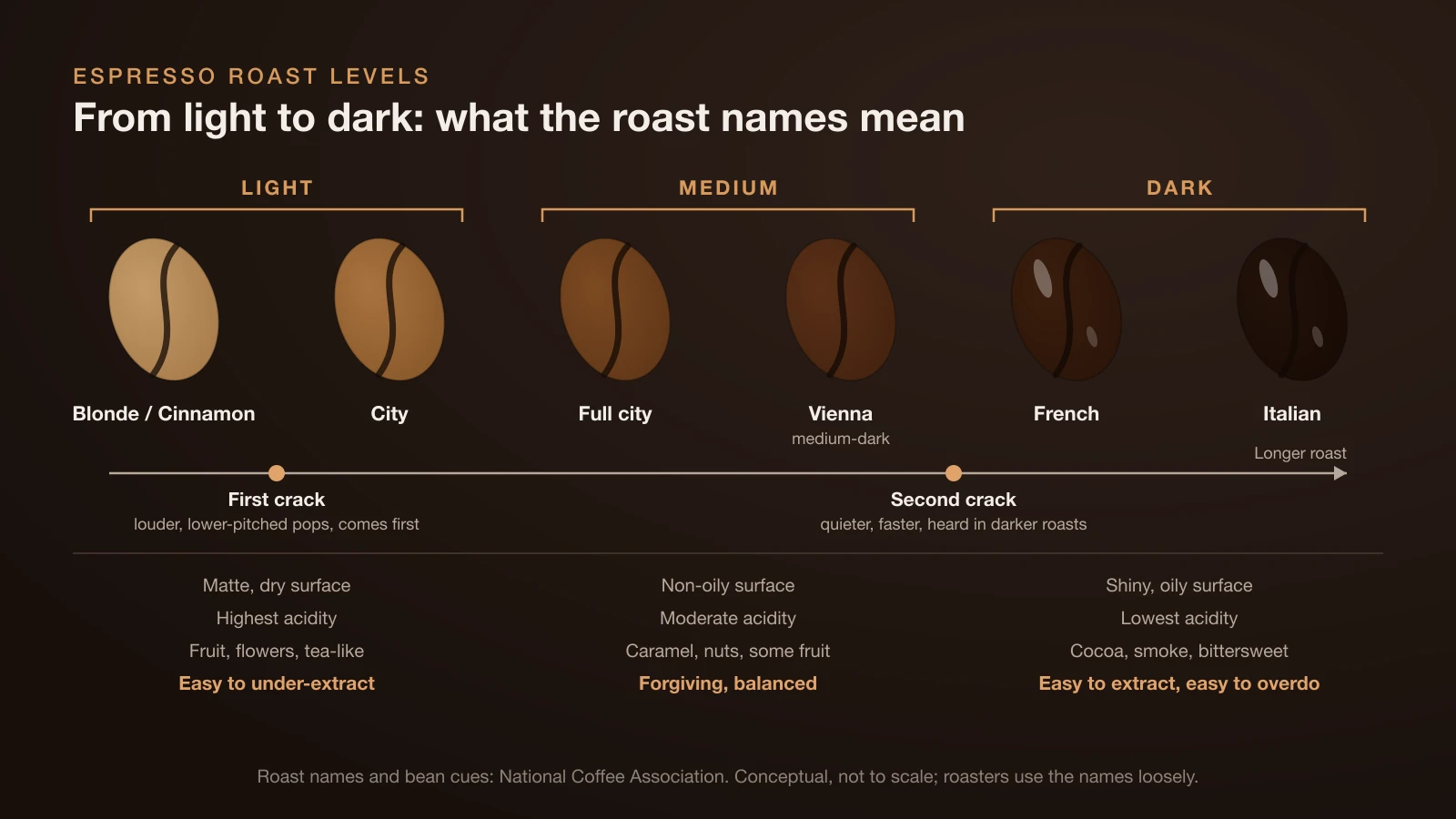
Espresso roasts run from light to dark, and the NCA groups them into three color families. Here is how each one tends to show up in an espresso cup:
| Light roast | Medium roast | Dark roast | |
|---|---|---|---|
| Bean surface | Matte, dry | Non-oily | Shiny, oily |
| Acidity | Highest | Moderate | Lowest |
| Typical flavors | Fruit, flowers, tea-like | Caramel, nuts, some fruit | Cocoa, smoke, bittersweet |
| Body | Lighter | Medium | Heavy |
| As espresso | Vivid but easy to under-extract | Forgiving, balanced | Easy to extract, easy to overdo |
Dark roast espresso
Dark roast espresso is smoky, bittersweet and low in acid, with a heavy body. The NCA describes dark beans as shiny and oily with pronounced bitterness, and says French and Italian roasts are dark roasts. Dark roast espresso beans are forgiving to brew but easy to push too far: a shot that runs long turns harsh and ashy.
If your shots taste burnt, the fix is usually in the brew, not the bag; our guide to bitter espresso walks through the causes. A label reading “espresso style dark roast” tells you the roast level and the roaster’s intended brew, nothing more.
Medium roast espresso
Medium roast espresso is balanced: sweeter, rounder and less sharp than a light roast, with caramel and nutty notes. The NCA describes medium beans as non-oily and notes that medium roasts are often called American or breakfast roasts. Medium and medium-dark roasts are the easiest place to start at home, and medium-dark (Vienna) is the classic café espresso profile.
Light roast espresso
Light roast espresso keeps more of the coffee’s origin character: fruit, florals and bright acidity. The NCA says the lighter the roast, the more acidic the brew, and that lighter roasts preserve more of a coffee’s unique qualities. The trade-off is extraction. Light beans are harder to extract in a short shot, so they can taste sour and thin unless you adjust the recipe.
How to dial in espresso by roast level
Start from a standard recipe, then adjust for the roast. Breville’s dialing-in guide calls a 1:2 ratio the golden standard, for example 18 g of coffee in and 36 g of espresso out, in about 25–30 seconds. Breville puts ideal brewing water at 195–205 °F (about 90–96 °C) and notes that darker roasts extract flavor more easily and may need slightly lower temperatures.
| Setting | Light roast | Medium roast | Dark roast |
|---|---|---|---|
| Water temperature | Top of the 90–96 °C range | Middle of the range | Lower end of the range |
| Ratio | Longer, toward 1:3 | 1:2 | Shorter than 1:2 |
| Grind | Usually finer | Your baseline | Coarser if shots run slow |
| Taste warning | Sour, thin, salty | Balanced when right | Bitter, ashy, dry |
Adjust one thing at a time. If a shot tastes sour, grind finer or run a longer ratio; if it tastes bitter, grind coarser, cut the ratio or lower the temperature. Our guide to espresso grind size explains how to read the shot and move the grinder in small steps.
Best roast for espresso: straight shots vs milk drinks
There is no single best roast for espresso, but the drink narrows it down:
- Lattes, cappuccinos and flat whites: medium-dark to dark roasts with chocolate and caramel notes cut through milk. Light roasts often taste thin once milk is added. This matters with plant milks too; see our oat milk latte guide.
- Straight espresso: medium roasts show sweetness and balance; light roasts show fruit and acidity if you can dial them in.
- Decaf: decaf green coffee is usually brown before roasting, so the roasted color is a poor guide to roast level. Our decaf espresso beans guide explains how to read those bags.
Does dark roast espresso have more caffeine?
No. A 2014 study in Food & Function found that caffeine stayed stable as roasting temperatures rose, while chlorogenic acids broke down. The bold taste of a dark roast comes from roasting, not from extra caffeine. The NCA goes further and says light roasts have slightly more caffeine.
Brewing muddies the picture. A 2024 study of filter-style brews in Scientific Reports found that, brewed the same way, dark roasts generally gave less caffeine than light and medium roasts, but at the same extraction yield they gave more. Dark beans are also lighter and more porous, so a scoop holds a little less coffee. If you weigh your dose, roast level makes little practical difference; our guide to caffeine in a shot of espresso has the per-shot numbers.
Freshly roasted espresso beans: rest, then brew
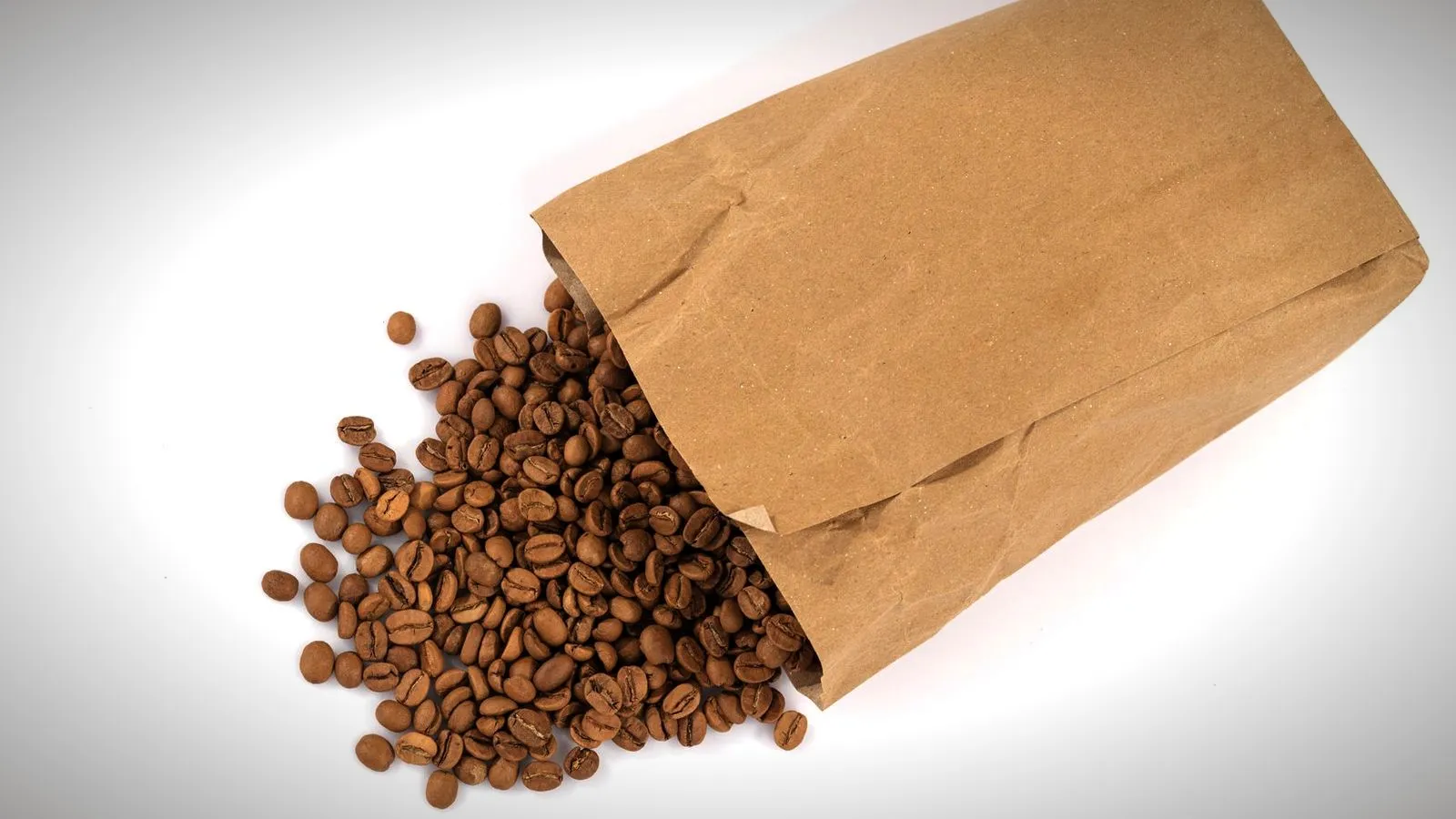
Freshly roasted espresso beans need a few days of rest before brewing and are best used within about three weeks of the roast date. Roasting leaves carbon dioxide in the beans, and espresso is sensitive to it.
The NCA says roasted beans need about two to three days of rest before they are ready to grind and brew. The Specialty Coffee Association says degassing is rapid for about the first 20 days and then slows sharply, and that whole beans can reasonably be considered fresh within about three weeks of roasting.
Fresh beans give more crema. Beans used the day after roasting can release so much gas that shots run unevenly, while stale beans make thin crema and flat flavor. So look for a roast date, rest the beans a few days, and plan to finish the bag within the following weeks. Storage and buying tips are in our espresso beans guide.
Can you use espresso roast for regular coffee?
Yes. Espresso roast coffee brews well in a drip machine, French press, pour-over or moka pot. Grind it for the brewer: medium for drip, coarse for a French press, fine only for espresso and moka pots. Expect a bolder, lower-acid cup than you would get from a typical light drip roast.
It works the other way too. Any fresh roast can be pulled as espresso, including a bag labeled for filter. Medium roasts make the easiest switch; very light filter roasts are the hardest to extract well in a short shot.
How to read an espresso roast label
To read an espresso roast label, check five things: the roast level, the roast date, the tasting notes, the blend and the look of the beans.
- Find the roast level. Look for words like light, medium or dark, or names from blonde and city through Vienna, French and Italian.
- Check the roast date. A printed roast date tells you far more than a best-by date.
- Read the tasting notes. Chocolate, caramel and nuts usually point to medium-dark or dark; berries, citrus and flowers point to lighter roasts.
- Check the blend. A blend with robusta brings more body and caffeine than 100% arabica.
- Look at the beans. An oily surface means a dark roast; matte beans are light to medium.
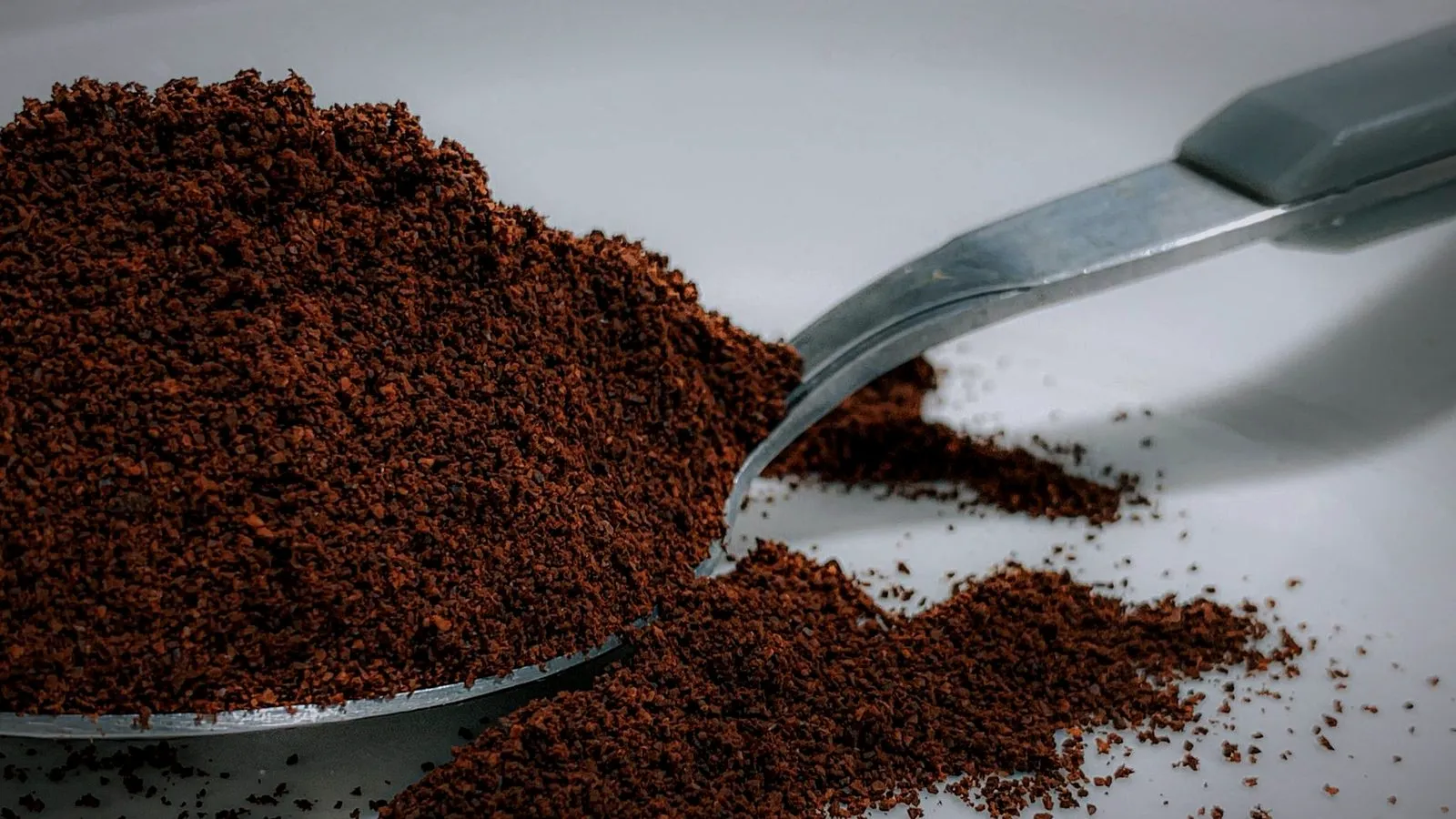
Don’t confuse espresso roast with espresso powder, a very fine instant coffee product often sold for baking. It is a different thing altogether.
The bottom line
Espresso roast is a roaster’s choice of beans and roast for pressure brewing, usually medium to dark, not a different bean or a fixed roast level. Dark roasts give a bittersweet, low-acid shot and extract easily; light roasts are brighter but harder to dial in. Caffeine barely changes with roast. Rest fresh beans a few days, brew within about three weeks, and adjust grind, temperature and ratio to the roast in your hopper.
Sources
- National Coffee Association: Roasts (espresso roast is not a specific roast level, often medium to dark; internal temperature over 400 °F; about 2–3 days of rest; roast names from light to dark; oil, acidity and caffeine by roast)
- Specialty Coffee Association: Coffee Decoded: fresh coffee (rapid degassing for about 20 days, fresh within about three weeks, more crema from fresh coffee) and The Color in Your Cup (archived; Agtron scale, light roasts score highest)
- Breville: A guide to coffee brewing temperature (195–205 °F; darker roasts extract more easily) and How to dial in espresso (18 g dose, 1:2 standard, 1:3 lungo, 25–30 seconds)
- Peer-reviewed studies: Ludwig et al., Food & Function (2014), caffeine and chlorogenic acids in coffee; Lindsey et al., Scientific Reports (2024), caffeine by degree of roast and extraction yield; Wilson, Journal of the Acoustical Society of America (2014), coffee roasting acoustics
- Starbucks: Espresso Roast (dark roast, first created in 1975, molasses and caramel notes)