
Espresso powder vs instant coffee is mostly a difference of roast and strength, not process. Both are brewed coffee dried into a powder that dissolves, but espresso powder is made from dark, espresso-style roasts and is more concentrated. Use it by the teaspoon in baking; use instant coffee for a quick mug, or in recipes at about 50% more.
Neither one is the same as finely ground coffee, which still needs brewing.
The short answer
| Espresso powder | Instant espresso | Instant coffee | |
|---|---|---|---|
| How it is made | Brewed, then dried to a fine powder | Same as espresso powder | Brewed into a concentrate, then freeze-dried or spray-dried |
| Roast | Dark | Dark | Light, medium or dark |
| Dissolves? | Yes | Yes | Yes |
| Flavor | Deep, intense coffee | Deep, intense coffee | Milder, sometimes harsh in large amounts |
| Main use | Baking, by the teaspoon | Small strong drinks or baking | A full mug of coffee |
| Typical amount | ½–2 tsp in chocolate bakes (King Arthur) | 1 tsp per 2 oz water (Nescafé) | 1 tsp per 6 oz water (NCA) |
Espresso powder vs instant coffee: how they are made
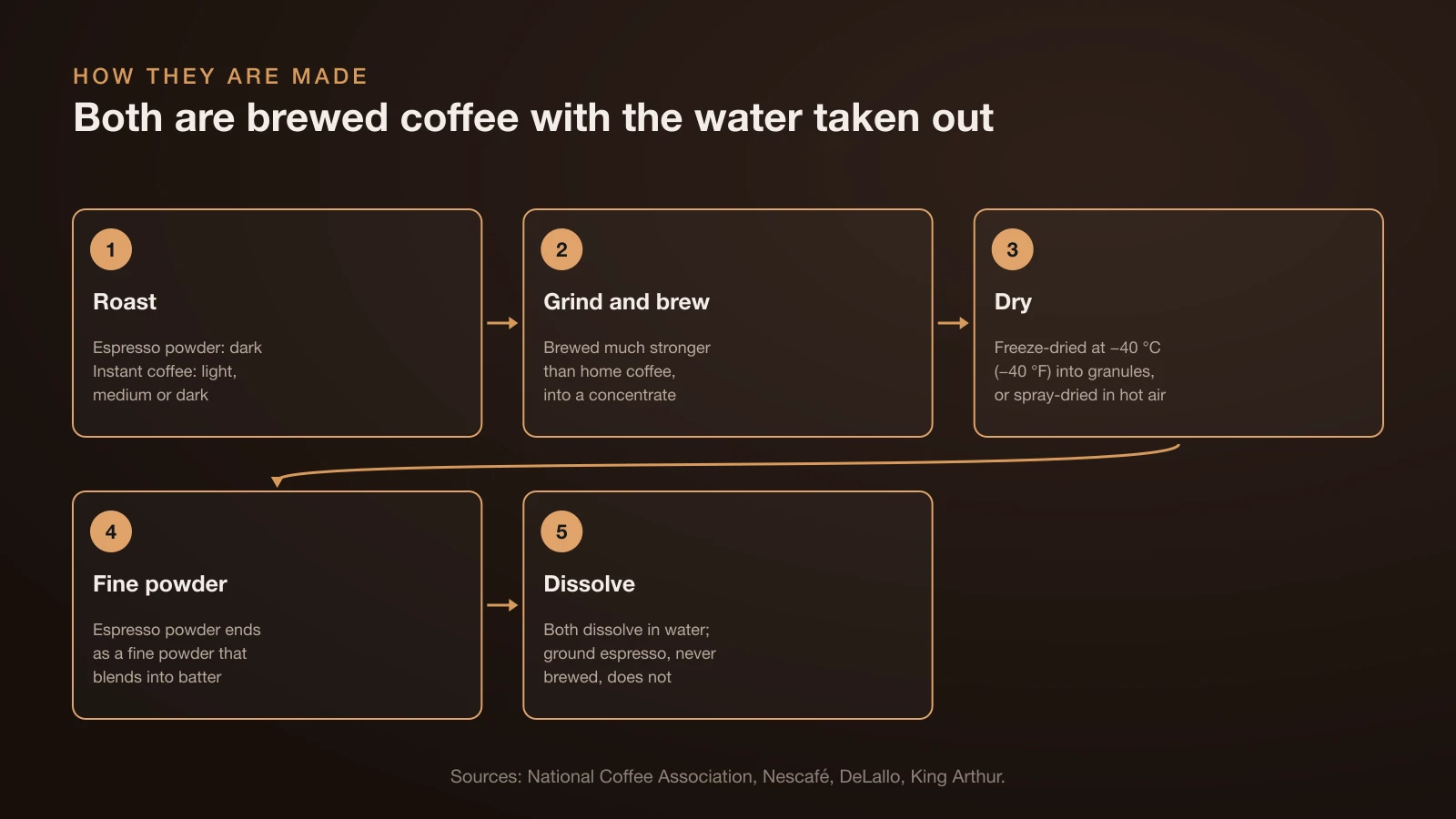
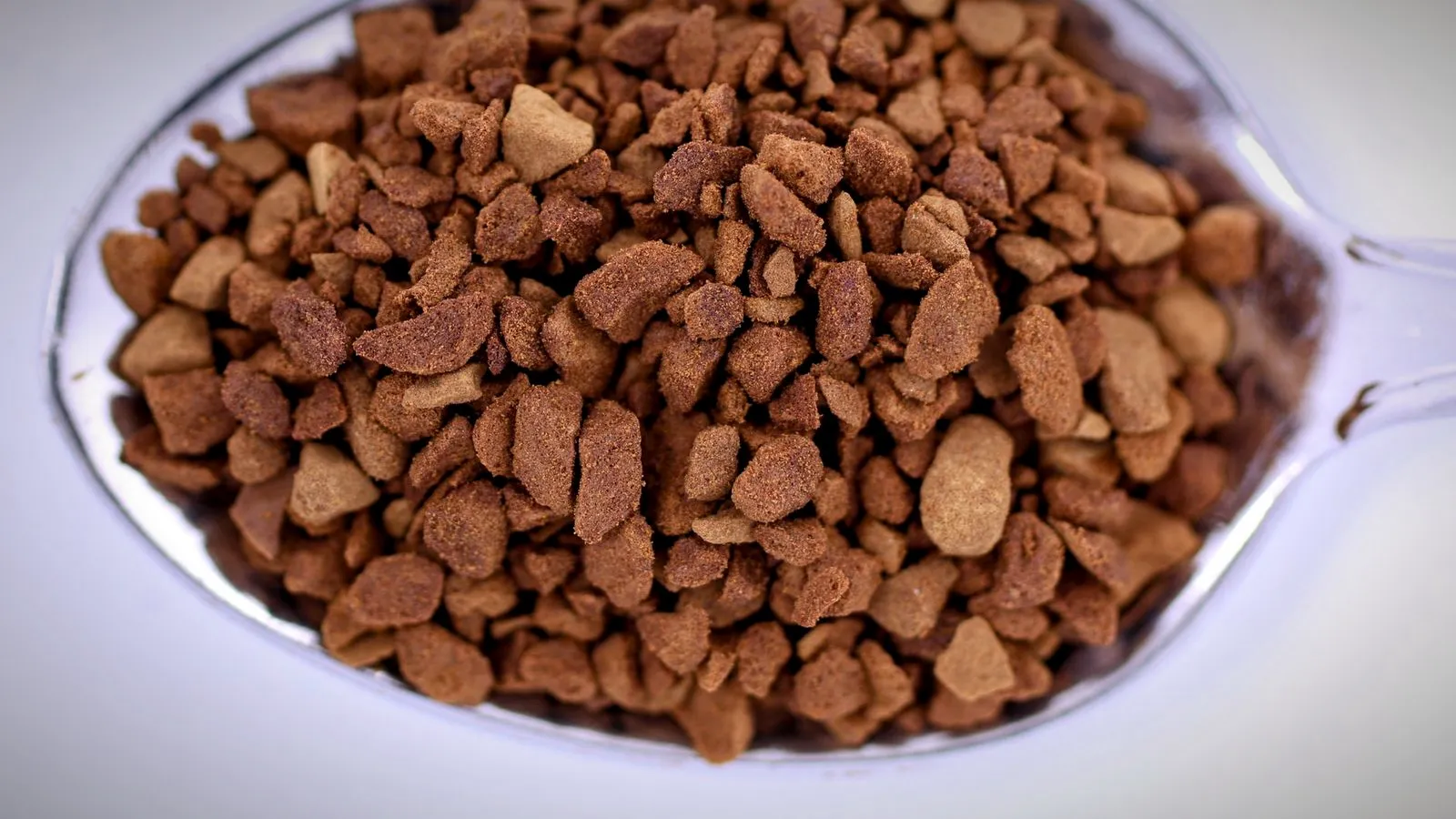
Espresso powder and instant coffee are made the same basic way: roasted coffee is brewed and the water is removed. The National Coffee Association (NCA) says instant coffee is brewed much stronger than home coffee, then either frozen at −40 °C (−40 °F) to make freeze-dried granules or sprayed into very hot air to make a powder.
Nescafé describes the same path on its US site: beans are roasted, ground and brewed into a concentrated liquid, which is then spray-dried or freeze-dried. King Arthur sums up its espresso powder as ground, brewed, then dried, and DeLallo says its version starts with dark roast coffee that is brewed, dried and ground into a fine powder.
The real differences sit before and after drying:
- Roast: espresso powder uses dark roasts; instant coffee can be any roast level, according to the NCA.
- Particle size: espresso powder is a fine powder that blends into batter; many instant coffees are larger freeze-dried granules.
- Concentration: espresso powder is sold as intensely dark and concentrated, so recipes call for small amounts.
Instant espresso vs instant coffee: flavor and strength
Instant espresso tastes darker and stronger than regular instant coffee, spoon for spoon. DeLallo, which makes an instant espresso powder, says it delivers a truer, darker coffee flavor than instant coffee. Regular instant coffee is milder by design, because a single teaspoon is meant to flavor a whole mug.
The serving guidance shows the gap. Nescafé’s directions for its Gold instant espresso use one teaspoon in 2 fl oz (60 ml) of hot water for an espresso-style cup, or 6 fl oz for an Americano. The NCA’s guidance for regular instant coffee is one teaspoon for every 6 oz (180 ml) of water at about 80 °C (176 °F).
| Instant espresso | Instant coffee | |
|---|---|---|
| Water per teaspoon | 2 fl oz for an espresso-style cup (Nescafé) | 6 oz for a cup (NCA) |
| Taste | Dark, roasty, intense | Lighter, more neutral |
| Best for | Small strong drinks, milk drinks, baking | Everyday mugs, iced coffee |
Neither tastes like a fresh shot pulled on an espresso machine. If you want to know what you are imitating, our guide on what espresso is explains the real thing.
Espresso powder vs instant espresso: the same product
Espresso powder and instant espresso are two names for the same kind of product. DeLallo says both are made from dark roast beans that are brewed, dried and ground, and that some brands use the word “instant” on the label while others do not.
The label usually tells you the intended use rather than a different recipe. Jars sold as “espresso powder” sit in the baking aisle and give baking directions, such as King Arthur’s ½ to 2 teaspoons for chocolate baked goods, frostings and sauces. Jars sold as “instant espresso” often lead with drink directions. Both dissolve the same way.
Espresso powder vs instant coffee in baking: how to swap
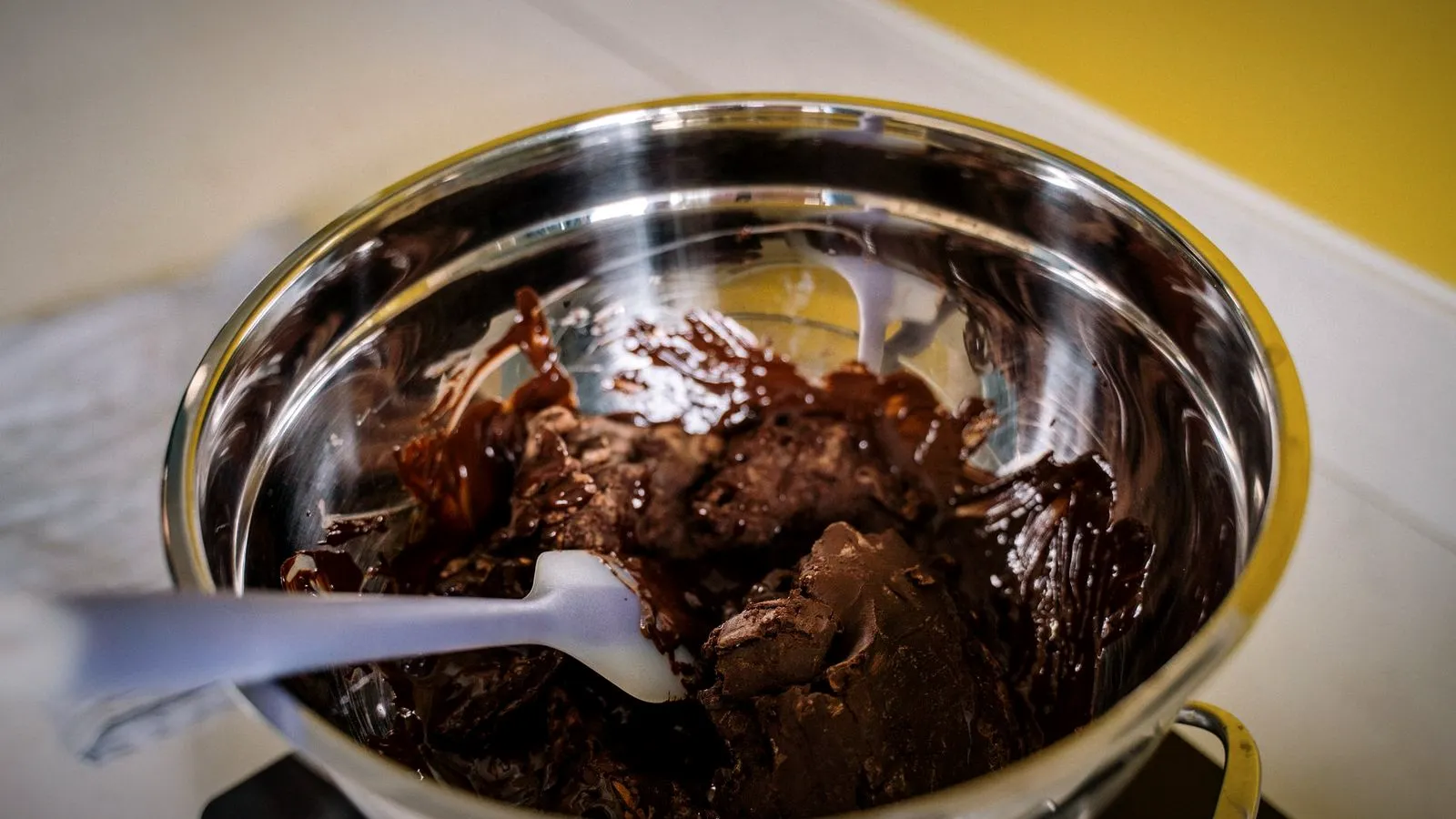
Yes, you can use instant coffee instead of espresso powder in most baking, but you need more of it and the flavor is less rounded. DeLallo’s guidance is to raise the amount by at least 50%, and it warns that pushing instant coffee too far, such as doubling it, can make baked goods overly bitter or tinny.
A cautious way to swap, labeled here as practical advice rather than a tested ratio:
- Start at 1.5 times the espresso powder amount. For 1 teaspoon of espresso powder, use about 1½ teaspoons of instant coffee.
- Crush granules first. Press freeze-dried granules with the back of a spoon so they dissolve evenly.
- Dissolve in a little warm liquid. King Arthur dissolves espresso powder in an equal amount of cream or water before adding it to frosting; the same step helps instant coffee.
- Taste before adding more. Raise it in small steps rather than doubling.
Going the other way is easier. If a recipe calls for instant coffee and you only have espresso powder, use a little less, because the powder is more concentrated.
Can you drink espresso powder?
Yes, you can drink espresso powder, though bakers’ brands are not designed for it. DeLallo says its powder is not really made for drinking, but suggests 1 tablespoon in 4 tablespoons (2 oz) of hot water for a quick espresso-style shot. King Arthur’s directions cover only baking.
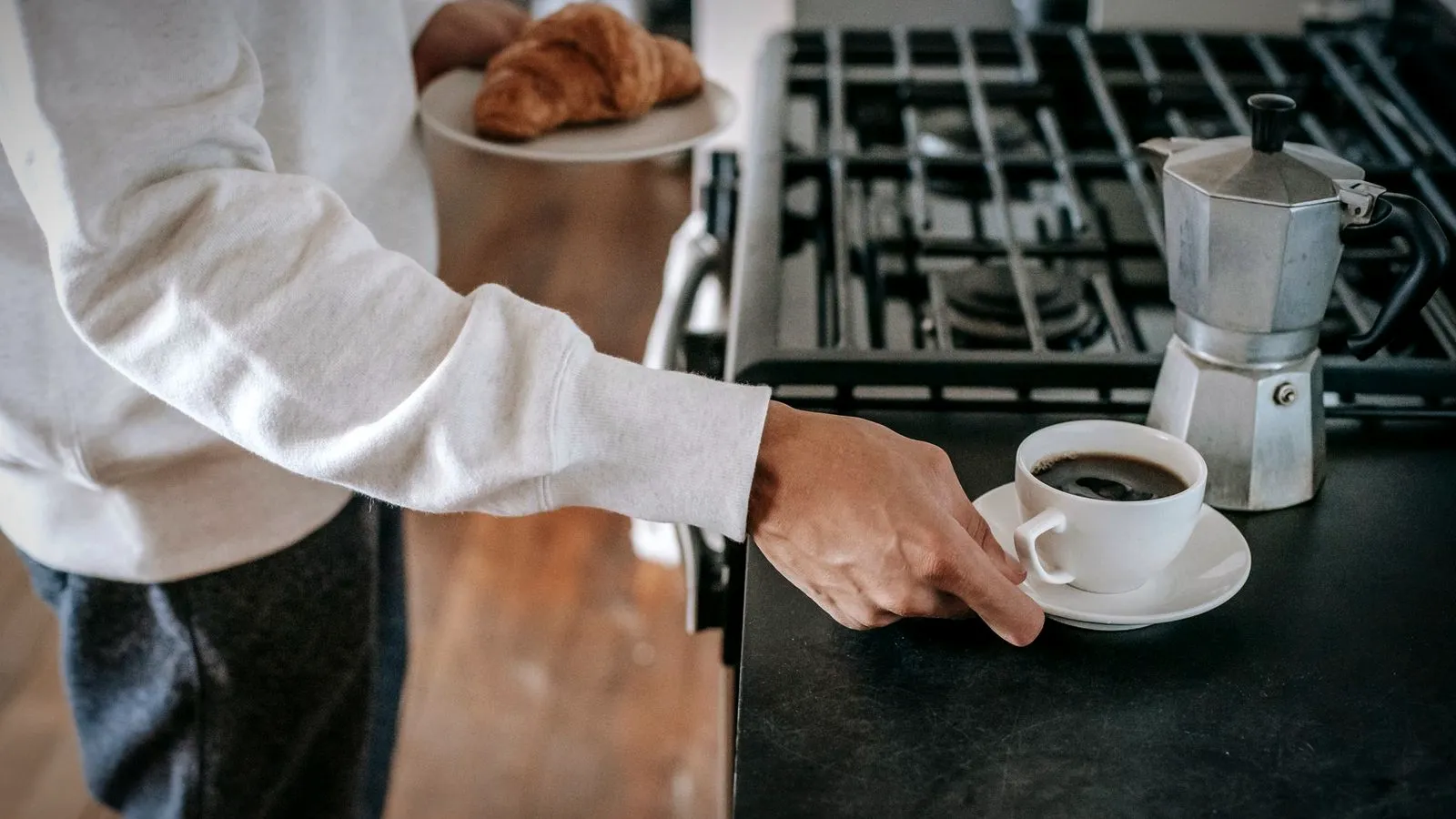
Instant espresso sold for drinks is the better pick for a cup. Stir it into hot water, then add milk or ice for a fast latte or iced coffee. For methods that brew real coffee without a machine, such as a moka pot or AeroPress, see how to make espresso without a machine.
Caffeine: espresso powder vs instant coffee
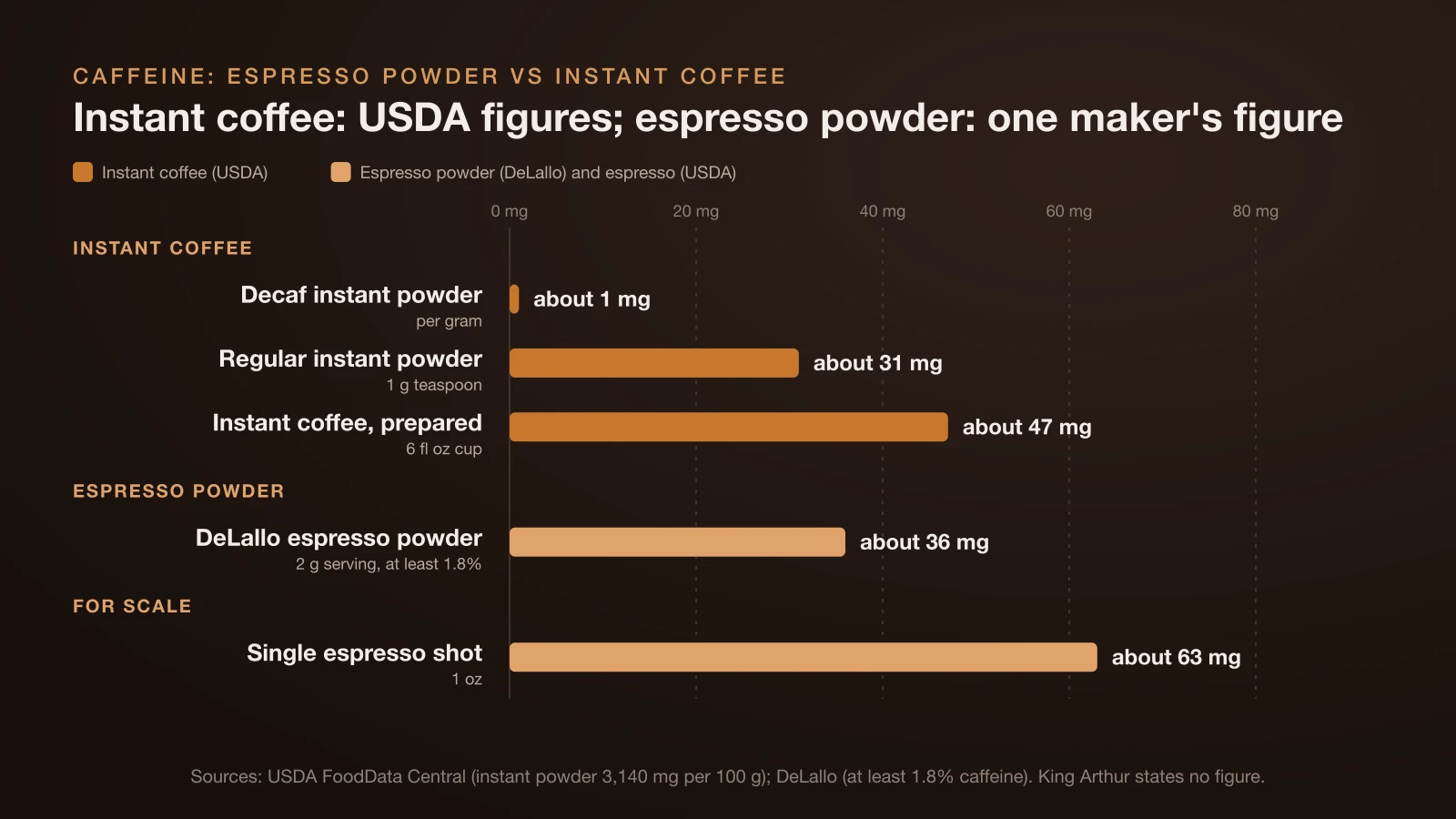
Instant coffee has an official USDA caffeine figure, while for espresso powder only one maker gives a number: DeLallo guarantees at least 1.8% caffeine, about 36 mg in a 2 g serving. USDA FoodData Central lists regular instant coffee powder at 3,140 mg of caffeine per 100 g and uses 1.0 g for a teaspoon, which works out to about 31 mg per teaspoon. A 6 fl oz cup of prepared instant coffee comes to about 47 mg.
| Product | Caffeine | Source |
|---|---|---|
| Instant coffee powder, regular | About 31 mg per 1 g teaspoon | USDA |
| Instant coffee, prepared | About 47 mg per 6 fl oz cup | USDA |
| Instant coffee, decaf powder | About 1 mg per gram | USDA |
| Espresso powder (DeLallo) | At least 1.8%; about 36 mg per 2 g serving | DeLallo |
| Single espresso shot, for scale | About 63 mg per 1 oz | USDA |
King Arthur gives no caffeine figure, and our espresso powder guide works out a labeled per-teaspoon estimate from the USDA instant coffee value. In baking, a teaspoon or two spread over a whole pan adds only a little caffeine per slice.
Espresso powder vs ground espresso
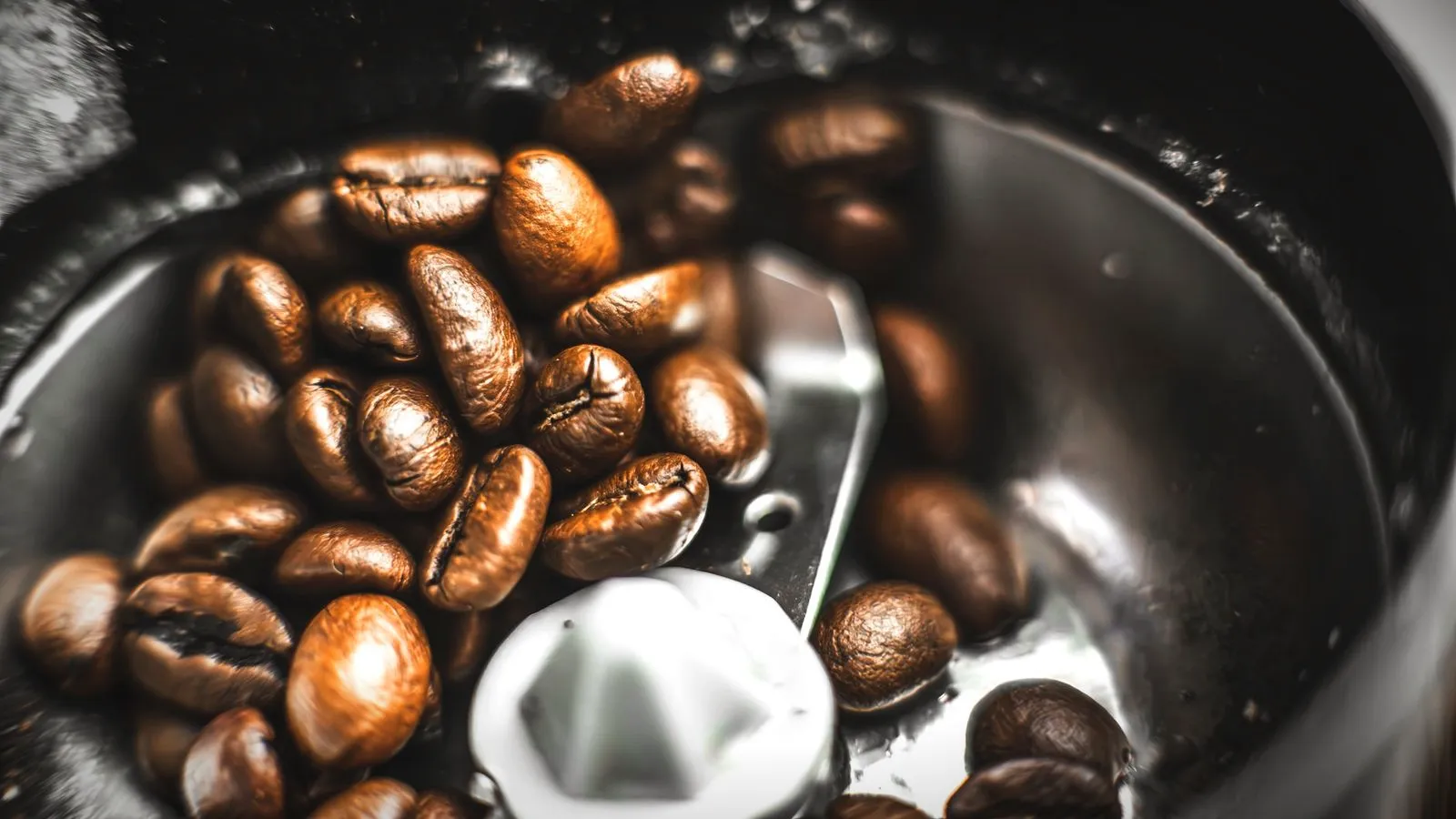
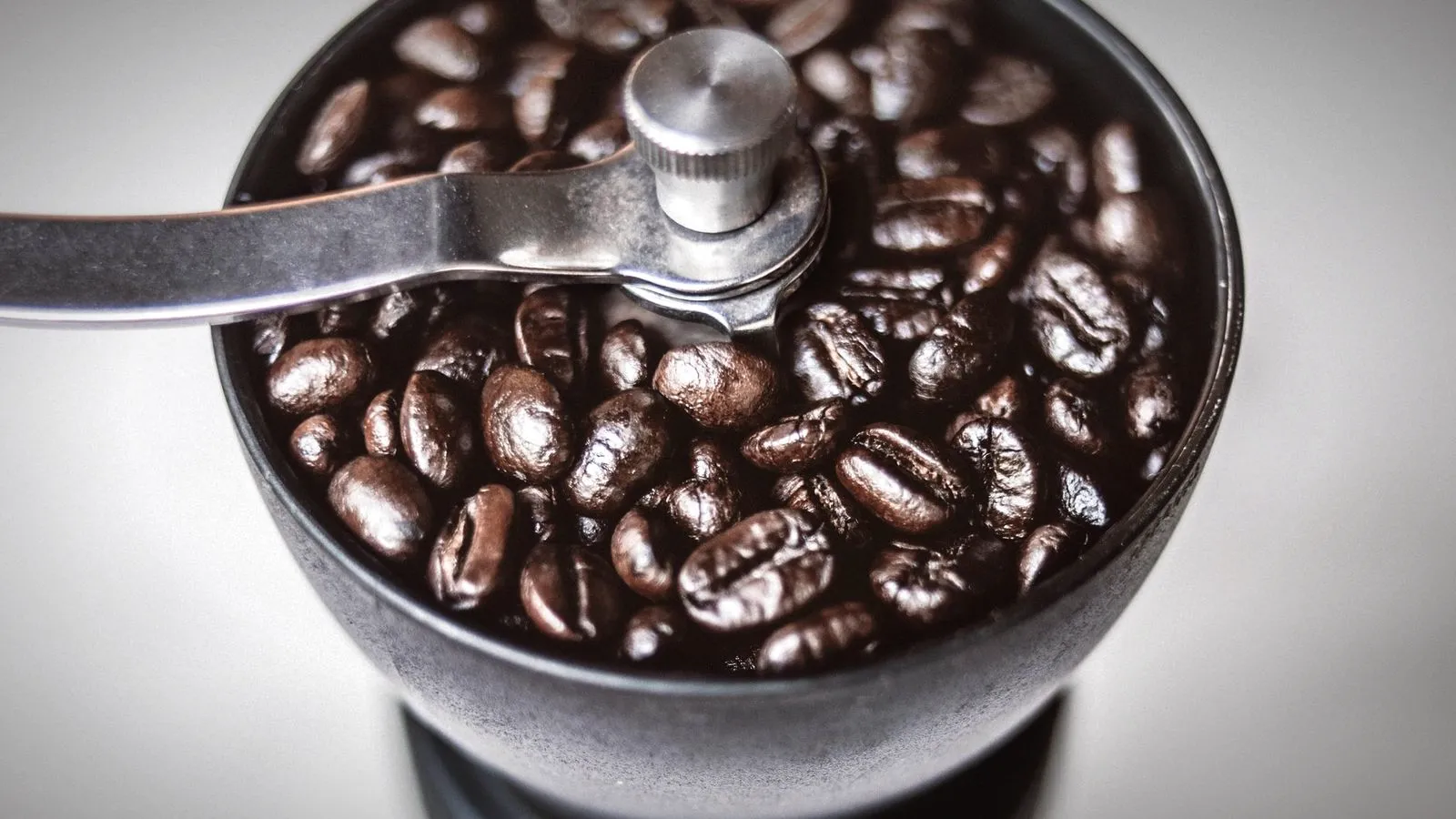
Finely ground espresso is roasted coffee that has never been brewed, so it does not dissolve. DeLallo makes the same distinction: ground espresso is roasted beans that still require brewing. Stirred into water it stays as sludge, and in a smooth batter or frosting it leaves gritty specks.
Ground coffee has its place in rustic bakes and spice rubs, and it is what you need for a machine or moka pot. Our guide to espresso grounds covers buying and using it. Both products start from the same beans, as espresso beans vs coffee beans explains.
Which should you buy?
Buy espresso powder if you bake chocolate desserts often, and instant coffee if you mostly want a quick cup.
- Brownies, chocolate cake, mocha frosting: espresso powder or instant espresso.
- Quick mug of coffee, iced coffee: instant coffee, or instant espresso for a stronger, smaller drink.
- Tiramisu: brewed espresso or strong coffee, or instant espresso dissolved in hot water.
The bottom line
Espresso powder and instant coffee are made the same way, from coffee that is brewed and dried, but espresso powder uses dark roasts and is far more concentrated. Use it by the teaspoon to deepen chocolate. Instant coffee can stand in at about 50% more, and ground espresso cannot replace either in smooth batters because it never dissolves.
Sources
- DeLallo: All about espresso powder (dark roast, brewed and dried; same as instant espresso; truer, darker flavor than instant coffee; at least 50% more instant coffee; 1 tablespoon in 4 tablespoons hot water; minimum 1.8% caffeine, about 36 mg per 2 g serving; ground espresso is not espresso powder)
- King Arthur Baking: Espresso powder (ground, brewed, then dried; ½–2 teaspoons in chocolate baked goods; dissolve 1 tablespoon in 1 tablespoon cream or water for frosting)
- National Coffee Association: Instant coffee (light, medium or dark roasts; brewed concentrate; freeze-dried at −40 °C or spray-dried; 1 teaspoon per 6 oz at about 80 °C) and Nescafé: FAQ (roasted, ground, brewed, then dried; Gold instant espresso 1 teaspoon per 2 fl oz)
- USDA FoodData Central: Coffee, instant, regular, powder (3,140 mg caffeine per 100 g; 1 tsp = 1.0 g), Coffee, instant, regular, prepared with water (26 mg per 100 g; 6 fl oz = 179 g), Coffee, instant, decaffeinated, powder (122 mg per 100 g) and Coffee, brewed, espresso (212 mg per 100 g)