
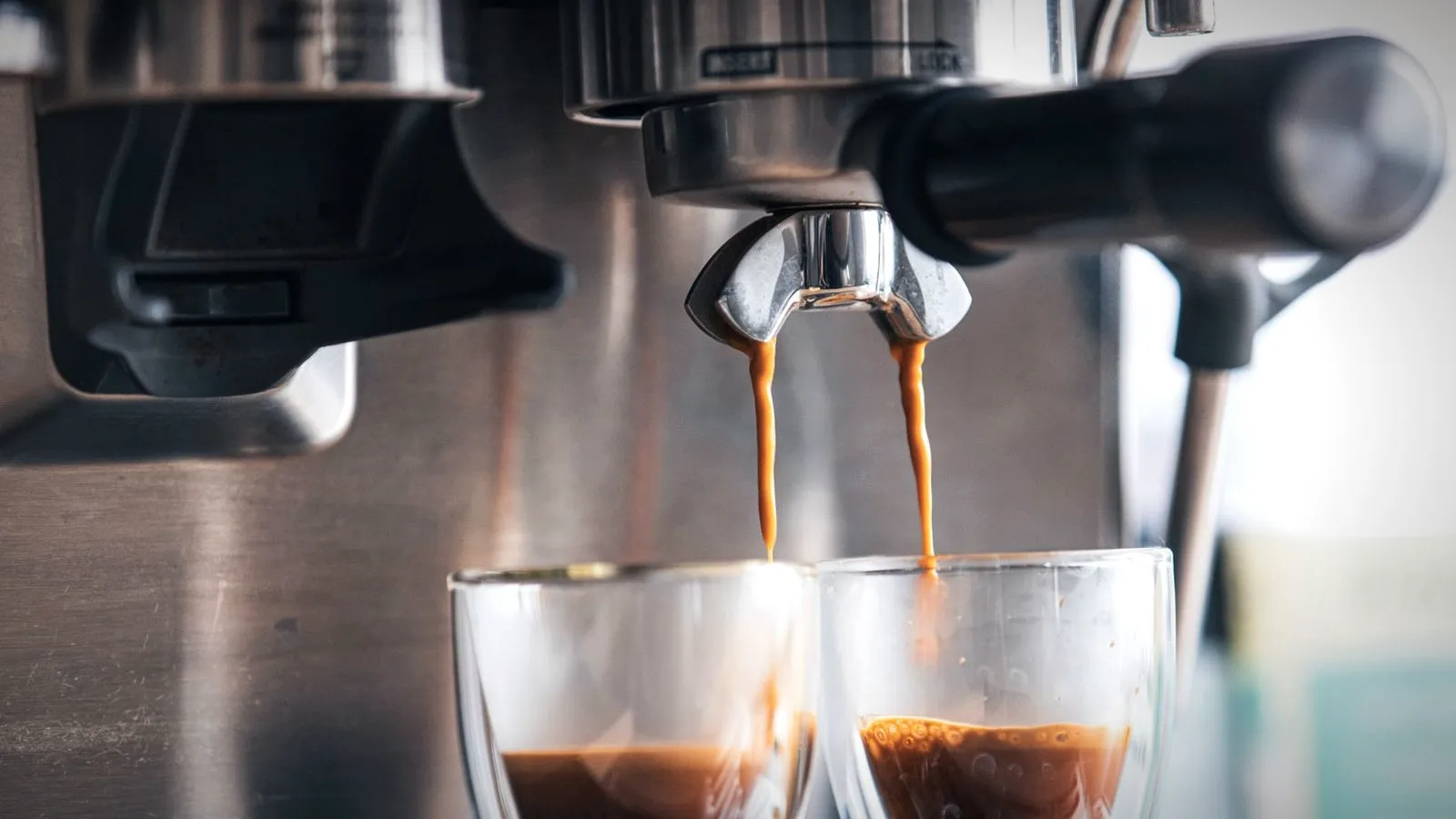
To make espresso, grind about 18 g of fresh coffee fine, tamp it level in a double basket and brew it on an espresso machine at about 9 bar until about 36 g of espresso is in the cup, which takes 25–30 seconds. That double shot is the starting recipe for every espresso drink, from a straight shot to a latte.
Getting there is mostly about grind size and repetition. For the full machine walkthrough, from first use to cleaning, see our guide on how to use an espresso machine.
The short answer
| Variable | Starting point | Why |
|---|---|---|
| Dose | 18 g (double basket) | Fills a standard double basket |
| Yield | About 36 g in the cup | A 1:2 ratio, the most common recipe |
| Time | 25–30 seconds | Too fast tastes sour, too slow bitter |
| Pressure | About 9 bar | Standard espresso pressure |
| Water temperature | 195–205 °F (90–96 °C) | Set by the machine |
| Grind | Fine; flour-like is too fine (Breville) | Your main adjustment |
| Volume | About 2 fl oz (60 ml) double, 1 fl oz (30 ml) single | Breville’s preset shot sizes |
What an espresso shot needs
An espresso shot needs finely ground coffee, hot water and pressure: the water is forced through a compact bed of fine grounds to make a small, concentrated coffee. The heritage Specialty Coffee Association (SCA) definition describes a single as 25–35 ml (0.85–1.2 oz) brewed from 7–9 g of coffee with water at 195–205 °F (90–96 °C), at 9–10 atmospheres of pressure, in 20–30 seconds.
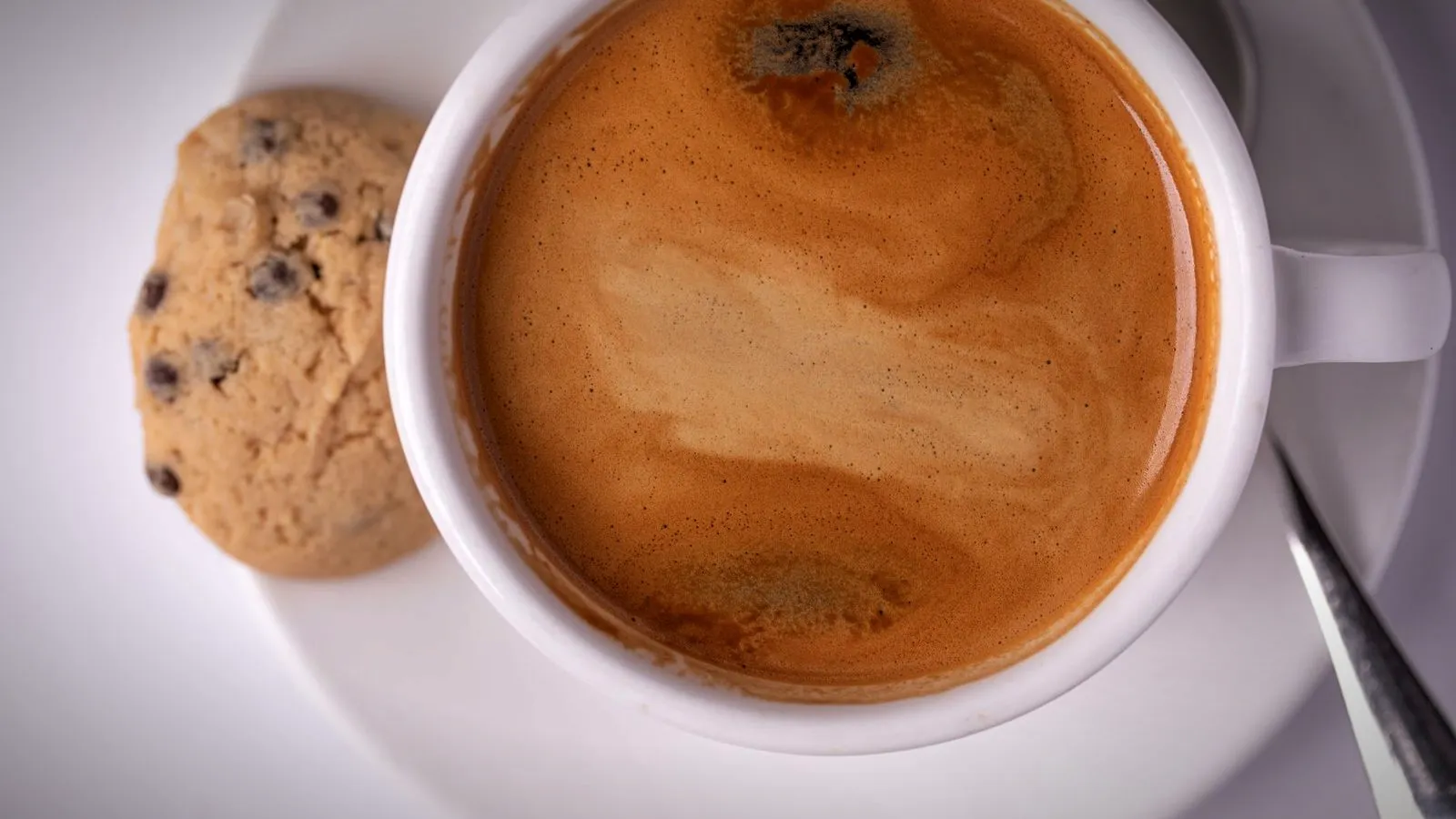
The same definition says the shot should flow like warm honey and finish with a thick, dark golden crema, the foam layer on top. It should be made for one person and served right away. Our guide to what espresso is covers the drink itself, from its official standards to how it tastes.
The espresso recipe: dose, yield and time
The modern espresso recipe is a double: about 18–20 g of coffee in, about 36 g of espresso out, in 25–30 seconds. Those are the averages from a Barista Guild of America survey of professional baristas, published by the SCA, which also found most shots pulled at 9 bars and about 200 °F (93 °C).
| Part of the recipe | What it means | Learn more |
|---|---|---|
| Dose | Grams of dry coffee in the basket | Breville’s double basket holds 16–19 g |
| Yield | Grams of liquid espresso in the cup | Espresso ratio |
| Time | Seconds from pressing brew to stopping | Espresso shot time |
| Grind | Fineness of the coffee | Espresso grind size |
Keep the dose fixed and adjust the grind until the yield arrives on time. The survey found that 82% of baristas weigh the yield rather than judging volume, which is why a scale is worth having.
How to make espresso with a machine
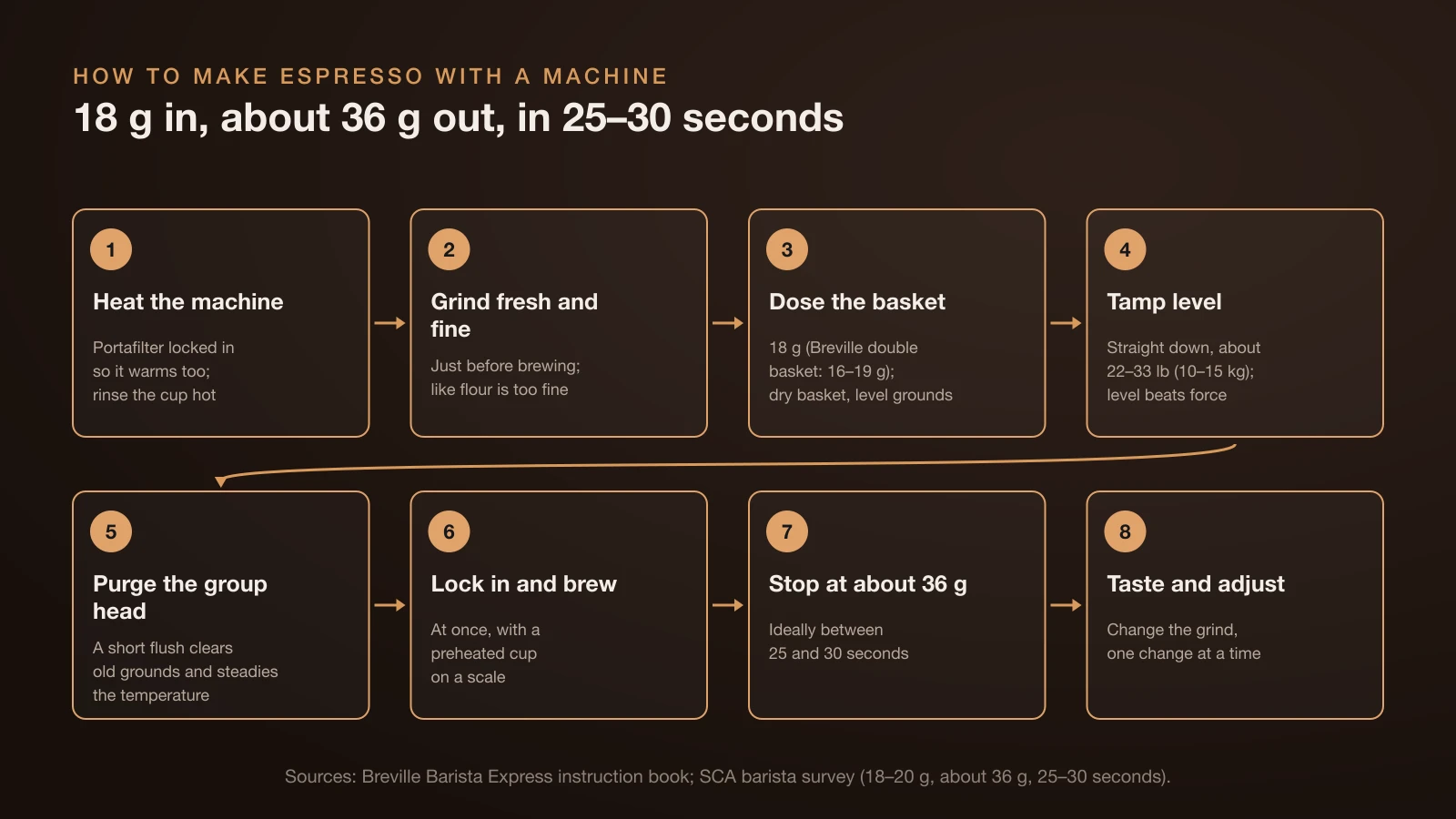
Making espresso with a machine is a repeatable routine of heating, grinding, dosing, tamping and brewing. These steps follow Breville’s Barista Express instruction book and the recipe above.
- Heat the machine fully, with the portafilter locked in so it warms too. Rinse your cup with hot water.
- Grind fresh beans fine, just before brewing. Breville warns that coffee which feels like flour is too fine.
- Dose the basket. Weigh 18 g (or 16–19 g in a Breville double basket), wipe the basket dry first and level the grounds.
- Tamp level. Press straight down with about 22–33 lb (10–15 kg) of force. Level matters more than force.
- Purge the group head with a short flush of water to clear old grounds and steady the temperature.
- Lock in and brew at once, with a preheated cup on a scale.
- Stop at about 36 g, ideally between 25 and 30 seconds.
- Taste and adjust the grind, one change at a time.
If you have no grinder and use pre-ground coffee, use a pressurized (dual wall) basket. Breville says these baskets regulate pressure to help the extraction regardless of grind, dose, tamp or freshness.
Espresso shot types: single, double, ristretto and lungo
An espresso shot comes in four common sizes, and all of them are the same method with a different dose or amount of water. The double is the default: in the SCA’s barista survey, 93% said the espresso they pull is a double.
| Shot | Dose | Output | Ratio |
|---|---|---|---|
| Ristretto | Same as a normal shot | About 15 ml (0.5 oz), Breville | 1:1 to 1:2 |
| Single (solo) | About 8–11 g | About 1 fl oz (30 ml) | 1:2 to 1:3 |
| Double (doppio) | About 16–19 g | About 2 fl oz (60 ml) | 1:2 to 1:3 |
| Lungo (long shot) | Same as a normal shot | More water than a normal shot | 1:3 to 1:4 |
Ratios come from La Marzocco’s brew ratio guide; doses and volumes from Breville’s manual. Our ristretto vs long shot guide explains how each one tastes.
How many ounces in a shot of espresso?
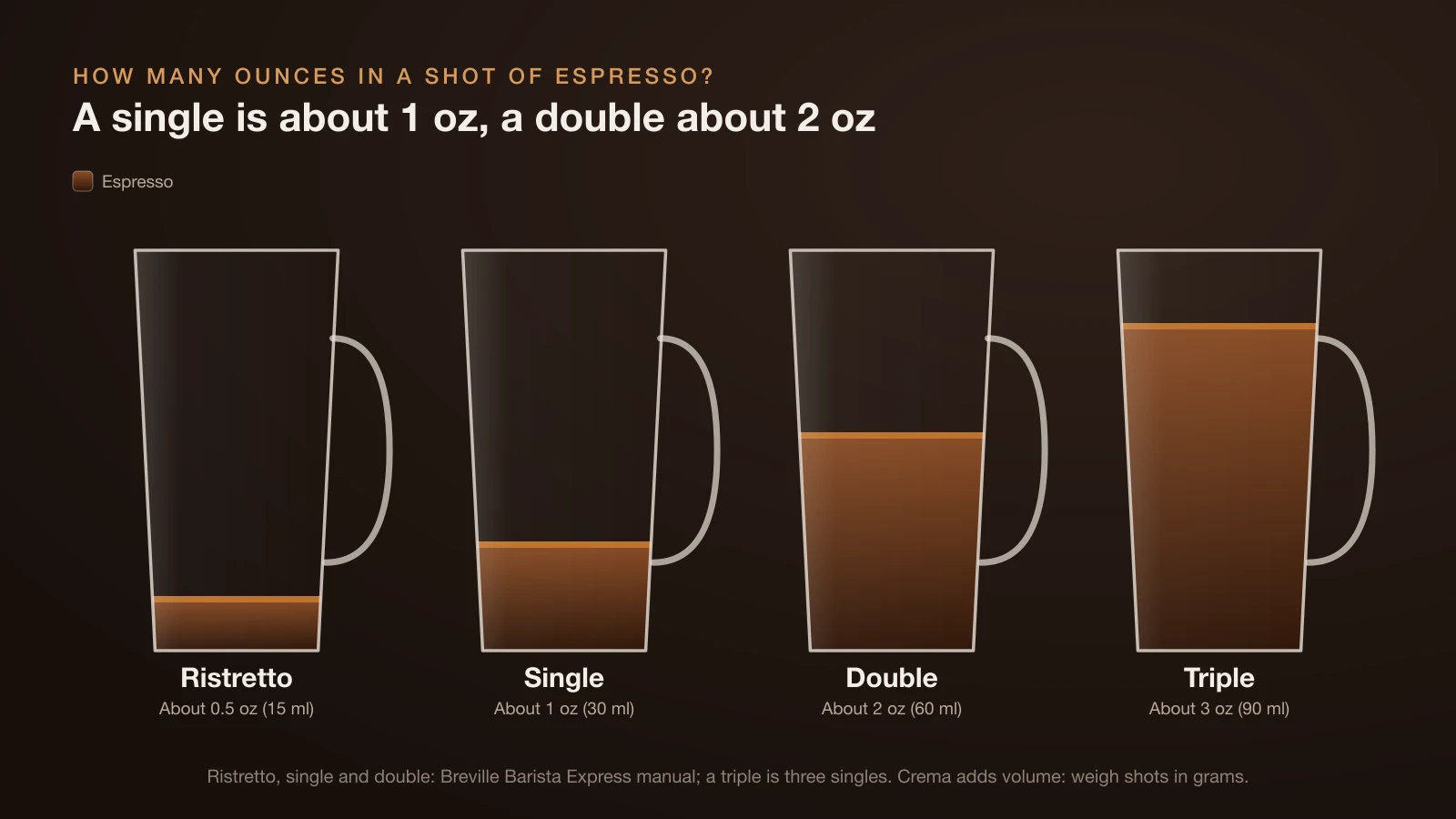
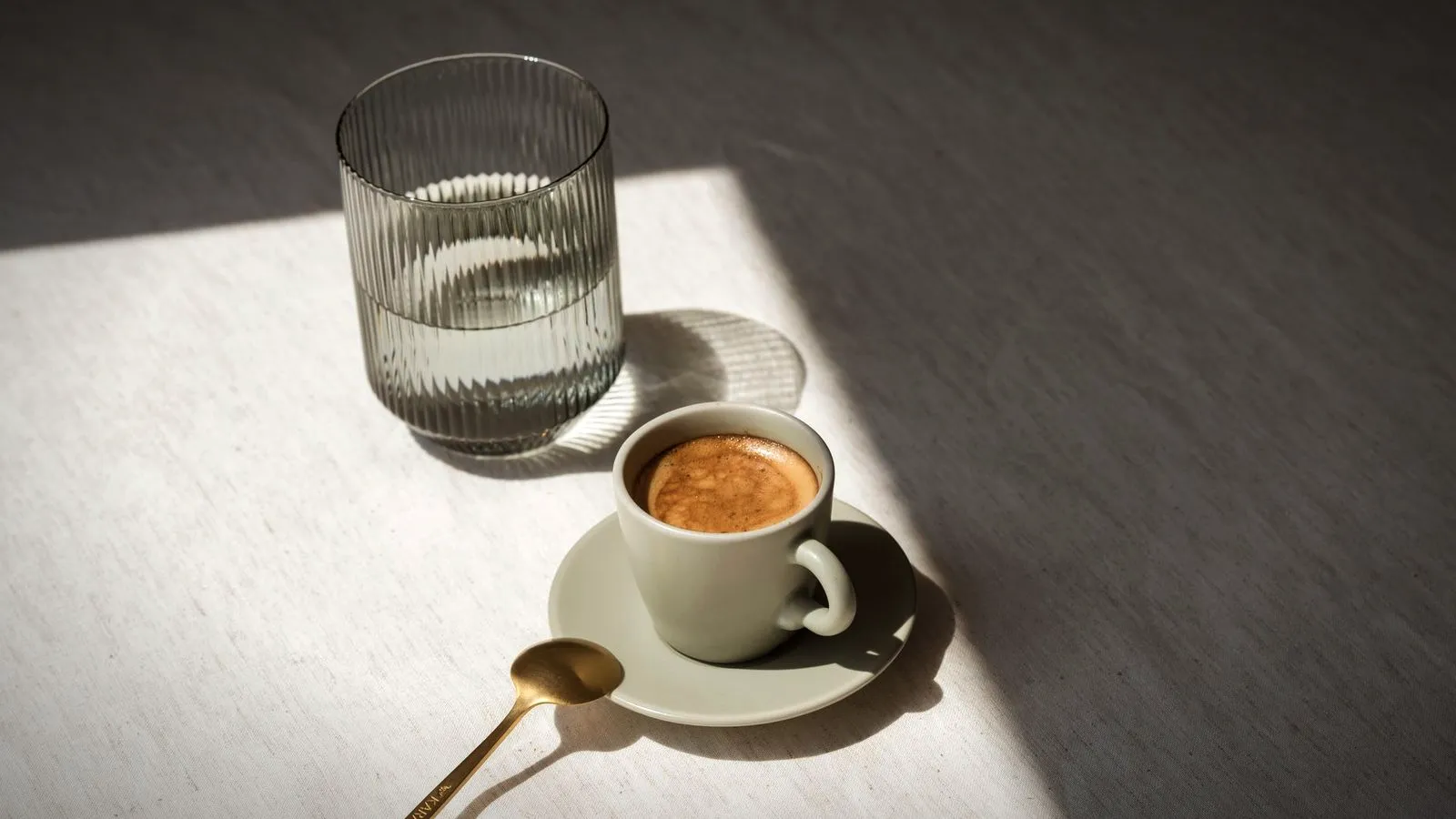
A single shot of espresso is about 1 fl oz (30 ml) and a double is about 2 fl oz (60 ml). Breville presets its 1 CUP and 2 CUP buttons to those volumes. The SCA’s heritage definition is a little wider, 0.85–1.2 oz (25–35 ml) per single, and the Istituto Espresso Italiano defines a certified Italian espresso as about 25 ml.
Ounces and grams do not match exactly, because the crema on top adds volume but almost no weight. That is why recipes are given in grams: a scale ignores the foam.
| Shot | Fluid ounces | Milliliters |
|---|---|---|
| Ristretto | About 0.5 oz | About 15 ml |
| Single | About 1 oz | About 30 ml |
| Double | About 2 oz | About 60 ml |
| Triple | About 3 oz | About 90 ml |
By caffeine, a 1 oz single averages about 63 mg and a 2 oz double about 126 mg, based on USDA data. Our guide to caffeine in a shot of espresso explains why café shots vary.
What you need to make espresso at home
To make espresso at home, you need four things besides fresh beans: an espresso machine, a grinder that can grind fine, a scale and a tamper.
- Espresso machine. Any pump or lever machine that reaches espresso pressure.
- Burr grinder. It decides whether you can dial in at all; our espresso grinder guide explains what to look for.
- Scale. One that reads 0.1 g lets you weigh both dose and yield.
- Tamper. Most machines include one; it should match the basket size.
- Fresh whole beans. Breville’s manual suggests using beans 5–20 days after the roast date on the bag.
How to tell if your espresso shot is good
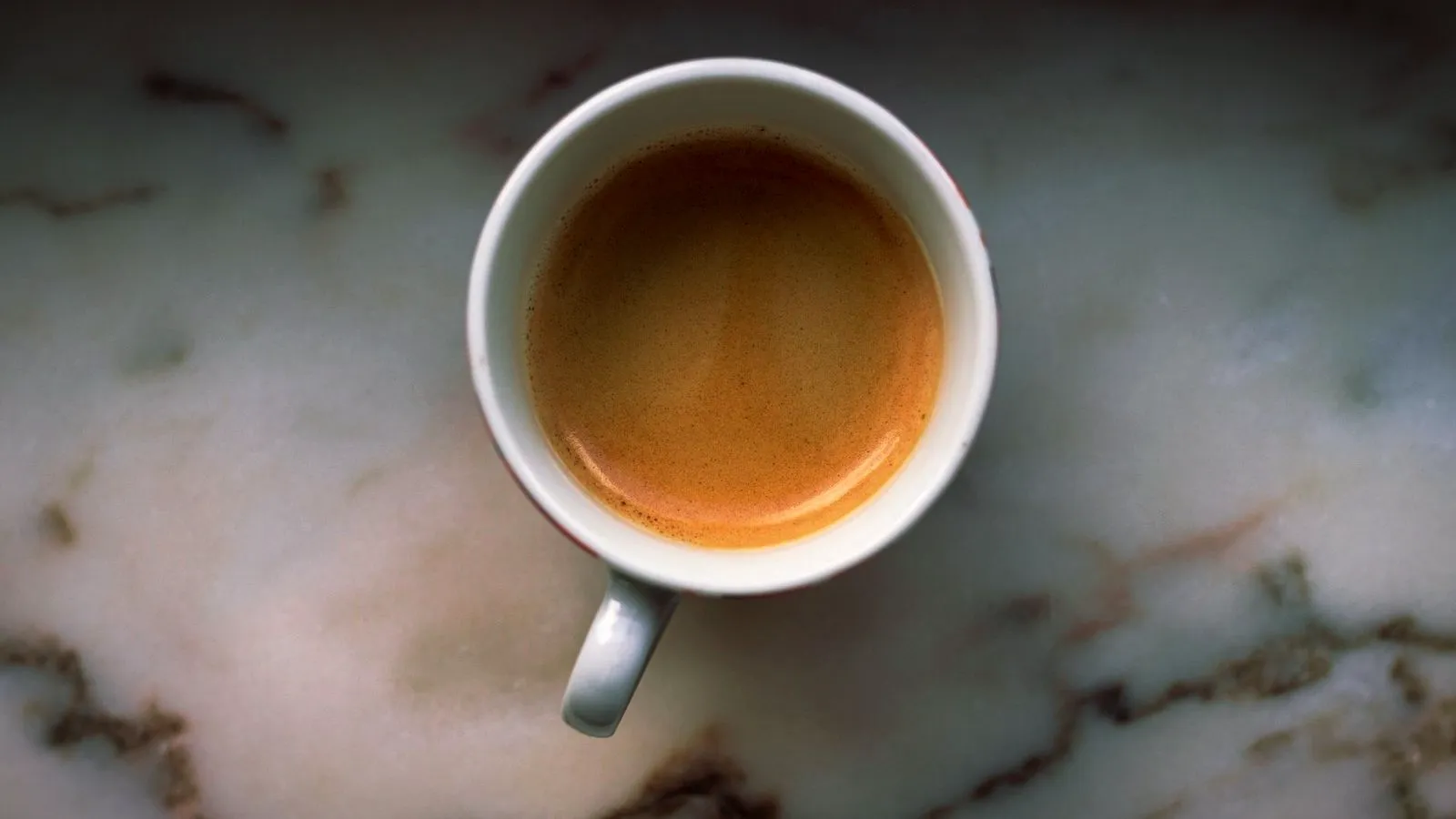
A good espresso shot runs slowly, like warm honey, and finishes in 25–30 seconds with a golden brown crema. Breville’s extraction guide gives clear visual signs for each outcome.
| Under-extracted | Balanced | Over-extracted | |
|---|---|---|---|
| Flow starts | After 1–6 seconds | After 8–12 seconds | After 12+ seconds, or drips |
| Flow | Fast, like water | Slow, like warm honey | Drips or barely flows |
| Crema | Thin and pale | Golden brown, fine mousse | Dark and spotty |
| Taste | Sharp, weak, watery | Balanced | Bitter, burnt |
| Total time | Up to 20 seconds | 25–30 seconds | Over 35 seconds |
Taste is the final judge. If a shot tastes sharp and thin, see why espresso tastes sour; if it tastes harsh, see why espresso tastes bitter.
What if you don’t have an espresso machine?
You can make true espresso at home without an electric machine only with a hand-powered lever press, which builds the pressure with your arm. A moka pot, AeroPress or French press makes strong, espresso-style coffee instead, with a thinner body and little crema.
Those brewers still work well for lattes and iced drinks. Our guide on how to make espresso without a machine compares all five methods with recipes.
The bottom line
To make espresso, grind fresh coffee fine, dose about 18 g, tamp level and pull about 36 g in 25–30 seconds at about 9 bar. Use a scale, change only the grind until the shot runs on time, and let taste make the final call. A single is about 1 oz and a double about 2 oz, but weigh the shot rather than trusting the volume.
Sources
- Breville: Barista Express BES870 instruction book (8–11 g and 16–19 g baskets, 30 ml and 60 ml shots, ristretto about 15 ml, 22–33 lb tamp, preheating, purging, dual wall baskets, extraction guide with 25–30 second shots, 5–20 days from roast)
- Specialty Coffee Association: Defining the ever-changing espresso (archived; heritage definition of 25–35 ml, 7–9 g, 195–205 °F, 9–10 atmospheres, 20–30 seconds and crema; survey: 93% pull doubles, 18–20 g, 25–30 seconds, 9 bars, 200 °F, 82% weighing)
- La Marzocco: Using espresso brew ratios (ristretto 1:1 to 1:2, normale 1:2 to 1:3, lungo 1:3 to 1:4)
- Istituto Espresso Italiano: Certified Italian Espresso (about 25 ml in the cup)
- USDA FoodData Central: Coffee, brewed, espresso, restaurant-prepared (212 mg caffeine per 100 g; 1 fl oz = 29.6 g)