How to clean an espresso machine comes down to a simple rhythm. Rinse the portafilter, purge the group head and wipe the steam wand after every use; wash the baskets and drip tray daily; soak parts and backflush with detergent about once a week if your machine allows it; and descale every few months or when the machine asks.
Cleaning removes coffee oils and milk, while descaling removes mineral scale. Both affect taste and the life of the machine. Manufacturers differ on the details, so this guide follows their manuals and points out where they disagree. If you are still learning the basic routine, start with our guide on how to use an espresso machine.
The short answer
| When | What to clean | How |
|---|---|---|
| After every shot | Basket, portafilter, group head | Knock out the puck, rinse, run a short flush |
| After every milk drink | Steam wand | Wipe with a damp cloth, purge for 1–2 seconds |
| Daily | Baskets, drip tray, shower screen, water tank | Wash in warm water, wipe the screen, refill with fresh water |
| Weekly | Baskets, portafilter, group head, grinder | Soak in espresso detergent; backflush if supported |
| Monthly | Filters, water tank, super-automatic brew unit | Deeper clean as the manual directs |
| Every 2–3 months or when prompted | Boiler and internal pipes | Descale with the maker’s descaler |
Cleaning vs descaling: two different jobs
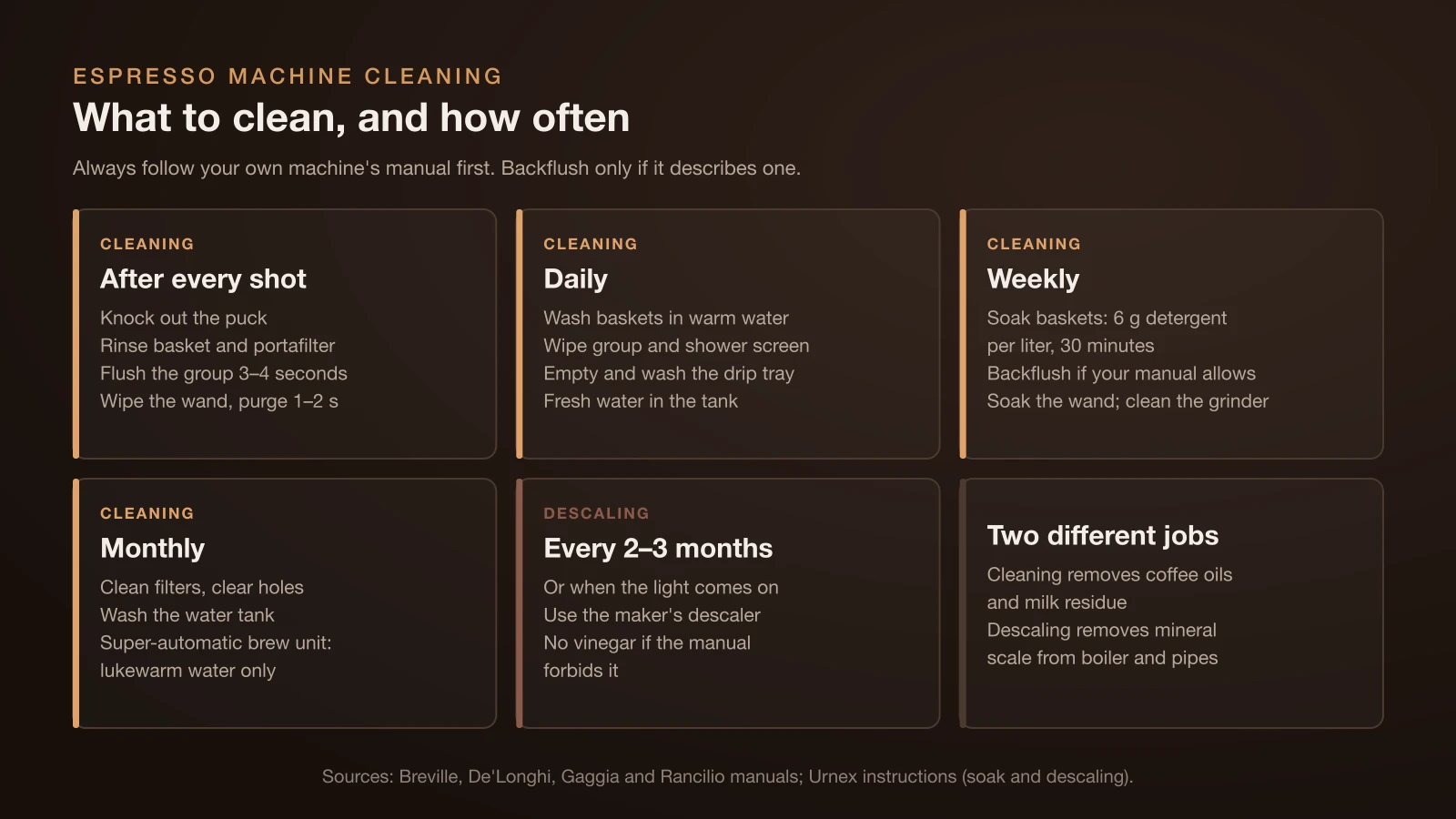
Cleaning and descaling are separate jobs: cleaning removes the coffee oils that affect taste, and descaling removes mineral build-up from the heating parts. That is how Urnex, which makes espresso cleaning products, defines them, and Breville’s manual makes the same split: its cleaning cycle is a backflush that is separate from descaling.
Skipping either one shows up in the cup. Old oils make shots taste stale and harsh, a common cause of bitter espresso. Scale, according to Breville, reduces brewing flow and temperature and affects the taste of the espresso.
After every shot
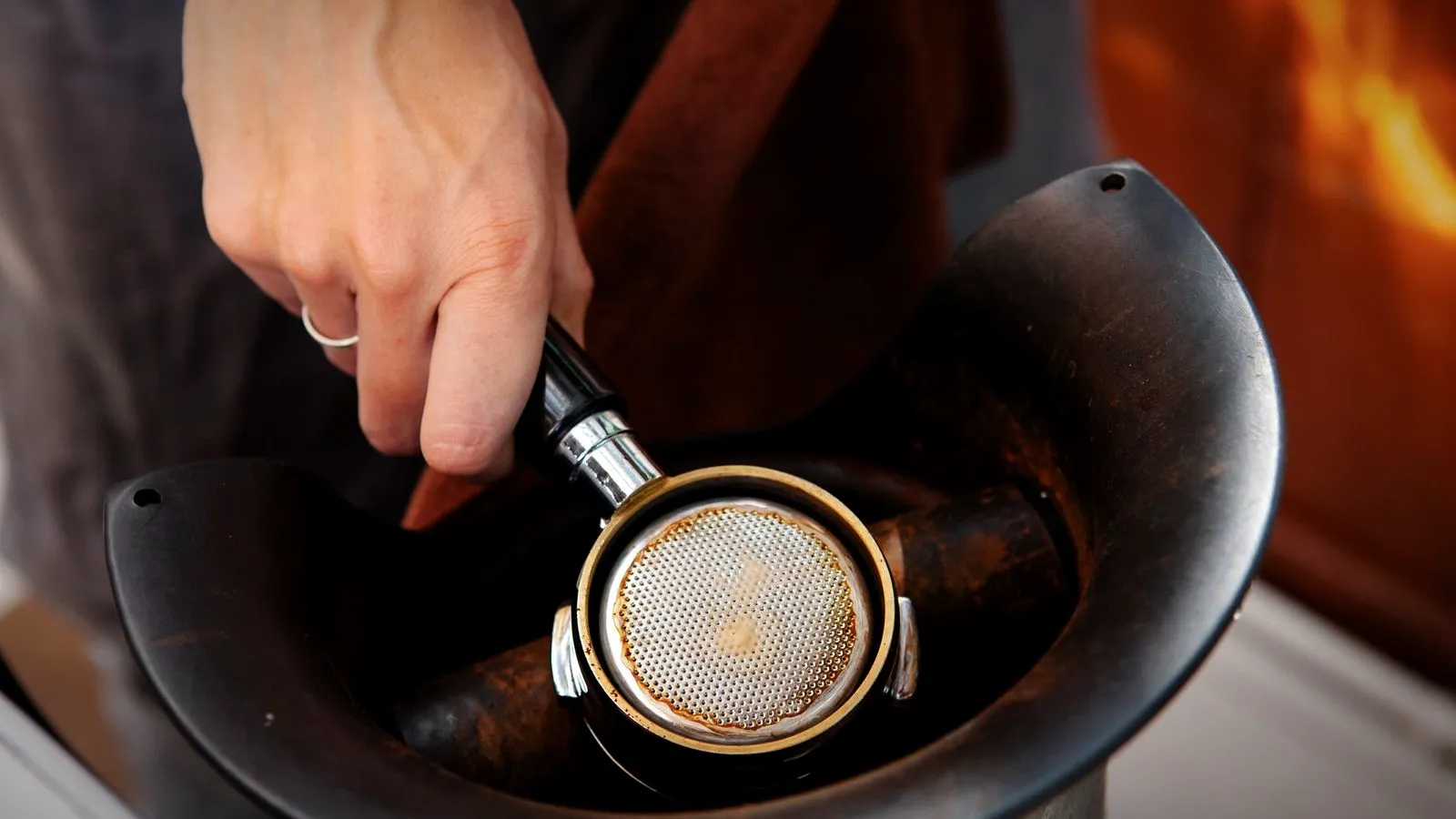
After every shot, knock out the puck, rinse the basket and portafilter, flush the group head and, after milk drinks, purge the steam wand.
- Knock out the puck while it is still warm. Breville notes it comes out more easily then. A knock box by the machine lets you do it with one tap.
- Rinse the basket and portafilter under hot water. Breville’s manual says to do this right after use to remove residual coffee oils.
- Flush the group head. Run water through for a few seconds to rinse grounds off the shower screen. Rancilio suggests a 3–4 second purge.
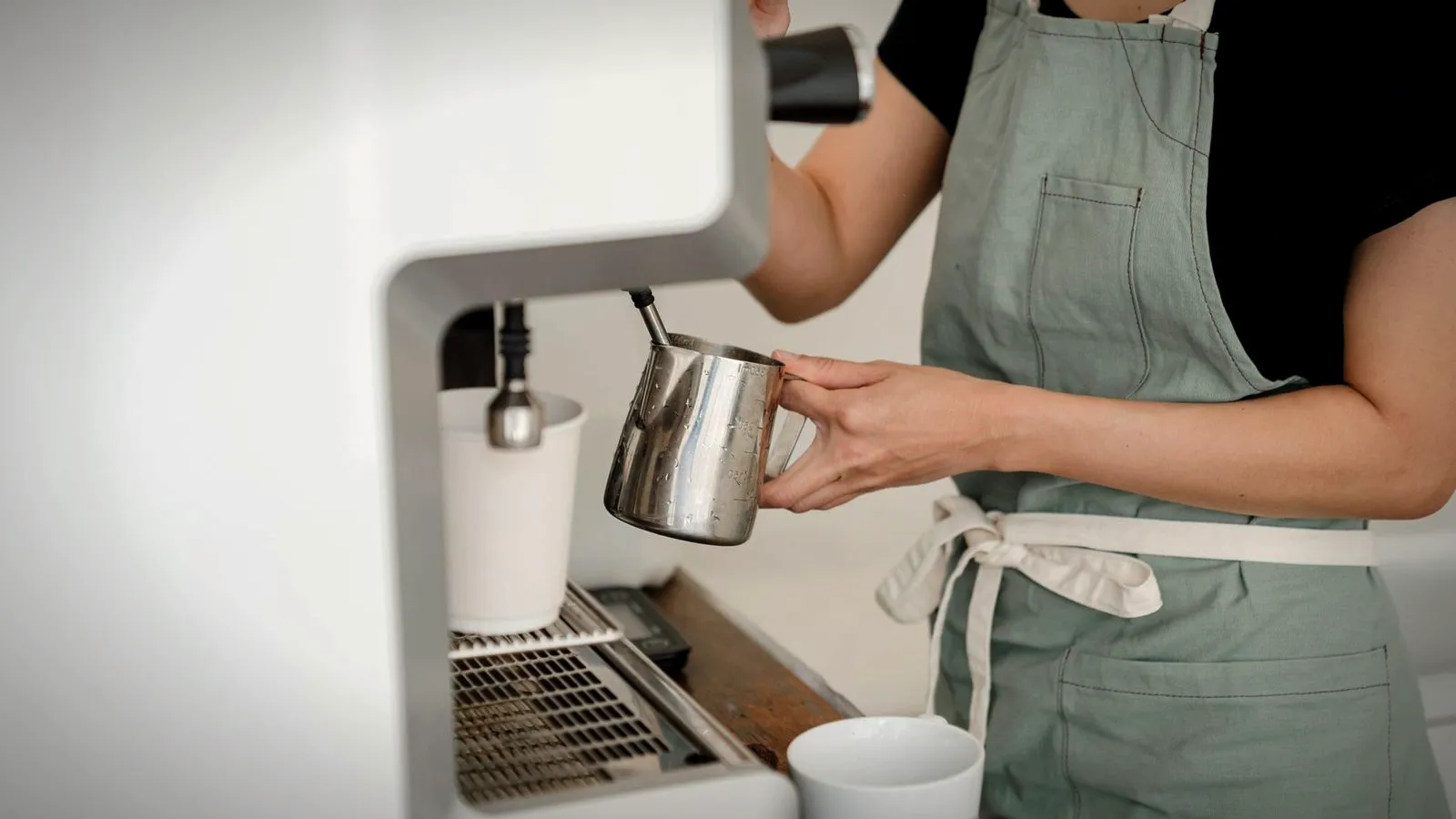
- Wipe and purge the steam wand after every milk drink. Gaggia’s manual says to wipe it with a damp cloth and open the steam for one or two seconds to clear the tip. De’Longhi calls this a hygiene step after each use.
Dry the basket before the next dose. Breville warns that moisture in the basket encourages channeling.
Daily espresso machine cleaning
Once a day, after the last drink, give the parts that touch coffee a proper wash:
- Baskets: Gaggia’s manual says to remove the filter from the filter holder every day and wash it in warm water.
- Shower screen and gasket: Breville says to wipe the group head and shower screen with a damp cloth. Rancilio’s manual shows brushing the gasket under the group head, but warns not to brush the shower screen itself.
- Drip tray: empty and wash it regularly in warm, soapy water, and always before the full indicator rises.
- Water tank: Gaggia recommends fresh water every time you use the machine and warns against leaving water in the tank during long breaks.
- Outside: wipe the housing with a soft, damp cloth.
Weekly: soak, backflush and clean the wand
Once a week, soak the baskets and portafilter in espresso machine detergent, backflush the group head if your machine allows it, and deep-clean the steam wand and grinder.
Soak the baskets and portafilter
Urnex recommends a weekly soak for portafilters and baskets in espresso machine detergent. Its instructions for Cafiza powder call for a cleaning solution of 6 g of powder per 34 oz (1 liter) of hot water and a 30 minute soak, without submerging the portafilter handle. Rinse everything well afterward.
Check your baskets first. Gaggia says not to use detergent or washing-up liquid on its pressurized filter holder, which can stop it working properly. A bottomless portafilter is easier here, since there are no spouts to scrub.
Backflush with detergent (if your machine allows it)
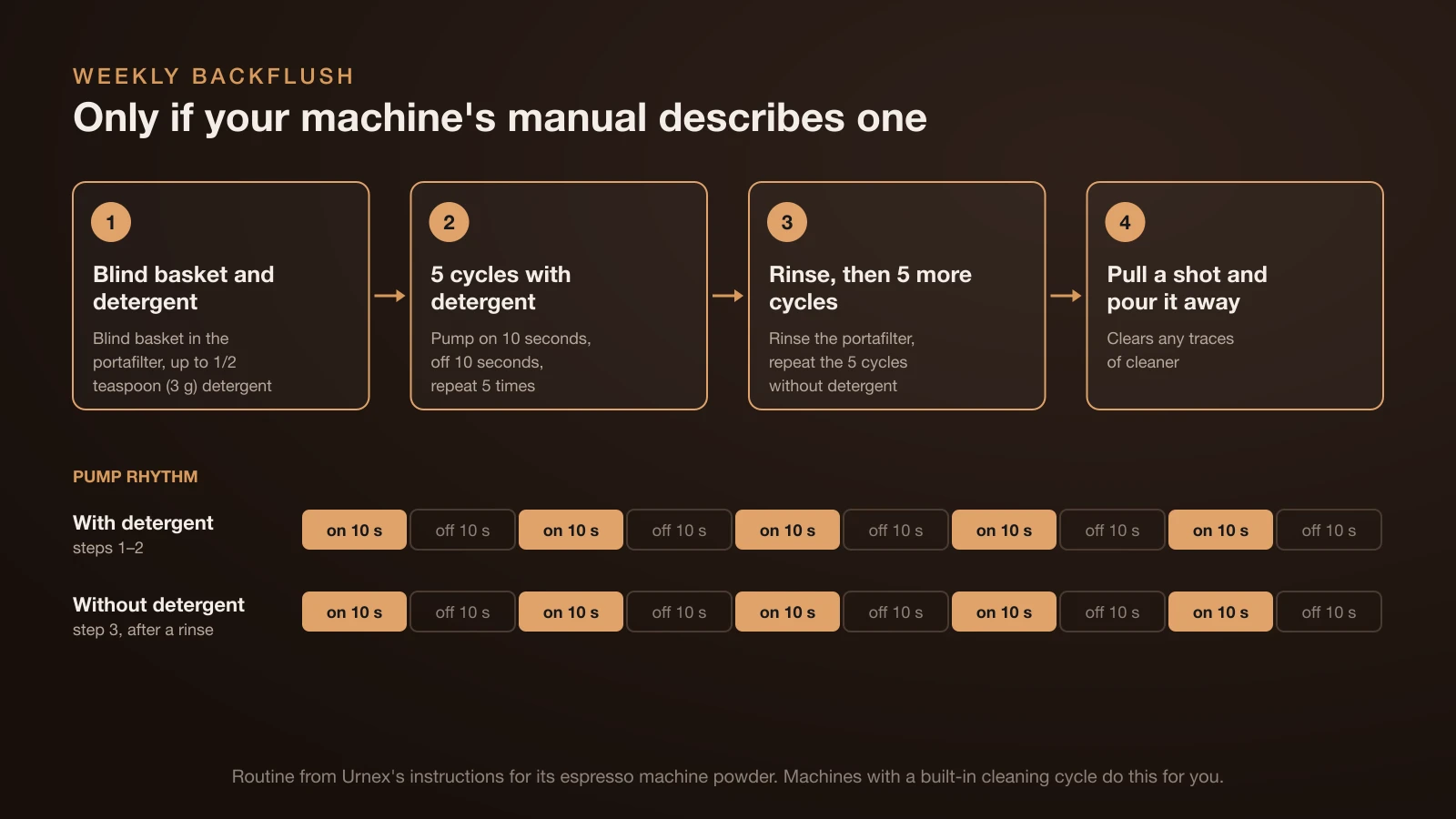
Backflushing pushes water and detergent back through the group head to clear coffee oils. Urnex’s routine for its powder is typical:
- Put a blind basket in the portafilter and add up to 1/2 teaspoon (3 g) of detergent.
- Lock it in and run the pump for 10 seconds, then stop for 10 seconds. Repeat 5 times.
- Rinse the portafilter, then repeat the 5 cycles without detergent.
- Pull one shot of espresso and throw it away to clear any traces of cleaner.
Machines with a built-in program automate this. Breville’s Barista Express runs a cleaning cycle of about 5 minutes with a cleaning disc and one tablet when its Clean/Descale light flashes, and the Bambino Plus asks for one after 200 extractions.
Which machines can be backflushed?
Only machines designed for backflushing can be backflushed, usually those with a three-way solenoid valve that vents the group into the drip tray. Rancilio’s Silvia manual lists a group solenoid valve and includes a detergent backflush. De’Longhi’s Dedica manual has no backflush step at all; it asks you to rinse the spouts by running about 17 oz (0.5 L) of water through them every 200 coffees.
The rule is simple: if your manual doesn’t describe a backflush or cleaning cycle, don’t improvise one. Our guide on how to backflush an espresso machine covers the steps and how often to do it. Manual espresso machines and lever espresso machines have their own care routines.
Deep-clean the steam wand and grinder
Milk leaves fats, proteins and minerals inside and on the steam wand, according to Urnex. Its steam wand guide uses 1 oz (30 ml) of milk system cleaner per 17 oz (500 ml) of water and a 15–30 minute soak, then a rinse and a purge. If the tip’s holes are blocked, Breville suggests clearing them with the pin on its cleaning tool.
Grinders collect oil too. Urnex suggests cleaning espresso grinders once a week with grinder cleaning tablets, and Breville’s manual explains how to remove the upper burr and brush out oil build-up that can impede performance.
Monthly and occasional jobs
Once a month, clean the coffee filters and the water tank thoroughly; a few other parts need attention every couple of months or after a break.
- Filters and baskets: De’Longhi says to clean the coffee filters thoroughly at least once a month, clearing blocked holes with a pin.
- Water tank: De’Longhi suggests washing it about once a month with a little mild dish soap.
- Water filter: Breville recommends replacing its tank filter every two months, or more often in hard water, to reduce the need to descale.
- Shower screen and seal: Breville’s manual shows removing the screen with an Allen key and washing it in warm, soapy water; the silicone seal behind it needs replacing over time.
- After a break: De’Longhi recommends a rinse cycle if the machine has not been used for more than a week.
Descaling: how often and with what
Descale an espresso machine about every 2–3 months, or when its indicator light asks. Descaling dissolves the mineral scale that hard water leaves inside the boiler and pipes. Gaggia’s Classic Pro manual says to descale every 2 months, and every 2–3 months even with purified or bottled water. Urnex suggests its descaler every 3 months, more often with hard water, but tells espresso machine owners to follow their machine’s own instructions. Breville and De’Longhi machines tell you with an indicator light.
Use the descaler your manual names. Gaggia says never to use vinegar or other descaling agents, and De’Longhi says an unsuitable descaler can cause faults not covered by its guarantee. Some makers of heat-exchanger machines publish no home descaling routine at all; our guide to Rocket espresso machines covers one example and what to ask the dealer.
Cleaning a super-automatic machine
Super-automatic machines handle much of the work with built-in cleaning and descaling programs, so run them when prompted. Urnex’s home cleaning tablets for these machines go into the opening the manual specifies, one tablet per cycle.
The removable brew unit on De’Longhi models is the main manual job. De’Longhi says to take it out, soak it in lukewarm water for about 5 minutes and brush off residue at least monthly, using water only, since detergents damage it. For automatic milk systems, Gaggia says to flush hot water through straight after frothing. Our guide to super-automatic espresso machines covers the rest of their upkeep.
What not to use on an espresso machine
Manuals from Breville, De’Longhi and Gaggia agree on most of these warnings:
- The dishwasher: Breville and De’Longhi say no parts or accessories are dishwasher safe; Gaggia says the same for its pressurized filter holder.
- Abrasive pads, powders and harsh cleaners, which scratch metal and plastic.
- Solvents and alcohol (De’Longhi), or petrol and acetone (Gaggia).
- Metal tools to scrape off deposits (De’Longhi).
- Detergent on a super-automatic brew unit (De’Longhi) or a pressurized filter holder (Gaggia).
- Vinegar or third-party descalers where the maker forbids them.
- Water on the machine body: never immerse the machine.
Espresso machine cleaning supplies
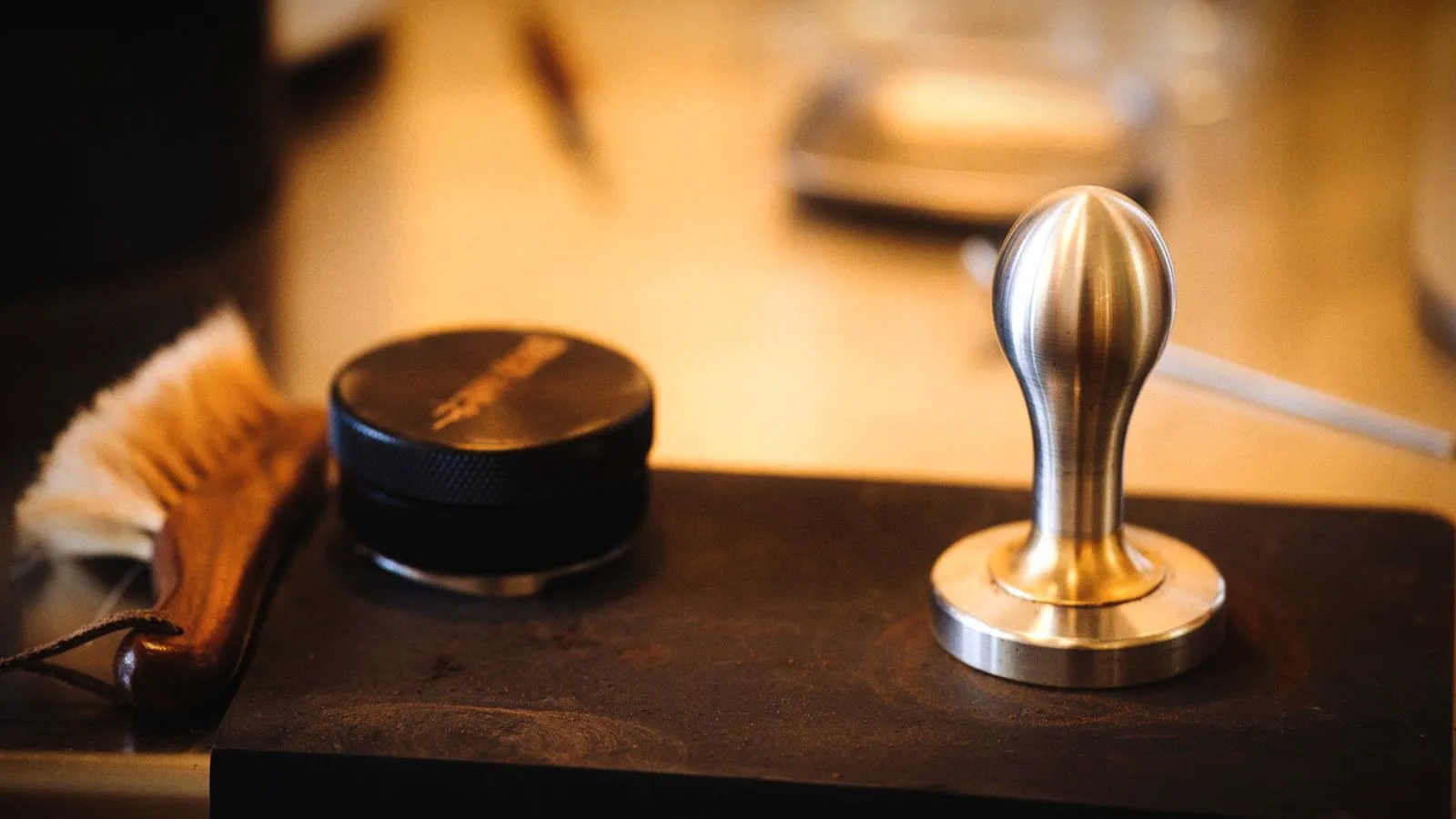
Most espresso machine cleaners fall into four groups, plus a few simple tools:
| Product | What it removes | Used for |
|---|---|---|
| Espresso machine detergent (powder or tablets) | Coffee oils | Backflushing; soaking baskets and portafilters |
| Milk system cleaner | Milk fats, proteins and minerals | Steam wands, pitchers, milk systems |
| Descaler | Mineral scale | Boiler and internal pipes |
| Grinder cleaning tablets | Coffee oils | Burrs and grinding chamber |
| Blind basket or cleaning disc | Nothing on its own | Holding detergent for a backflush |
| Brush, pin tool, microfiber cloth | Grounds, blocked holes | Daily wiping and unblocking |
Signs your espresso machine needs cleaning
Your espresso machine needs cleaning when shots slow down, taste stale or harsh, or an indicator light comes on.
- Shots slow down or stop extracting the way they used to, which Breville lists as a sign a deep clean is due.
- The taste turns stale, rancid or harsh even with fresh beans and the right recipe.
- Flow or temperature drops, a sign of scale.
- The steam wand sputters or its holes block.
- The indicator light for cleaning or descaling comes on.
The bottom line
To clean an espresso machine, rinse the basket, flush the group head and purge the steam wand after every use, and wash the baskets and drip tray daily. Once a week, soak the metal parts in espresso detergent, backflush if your manual allows it and clean the grinder. Descale every few months or when prompted, with the descaler your manufacturer names.
Sources
- Breville: Barista Express BES870 instruction book, Bambino Plus BES500 instruction book and How to clean an espresso machine (rinsing oils, cleaning cycle of about 5 minutes, alert after 200 extractions, scale effects, filter every two months, no dishwasher or abrasives, 1:1 vinegar option)
- De’Longhi: Dedica EC685 instructions and Brewing unit cleaning and maintenance (about 0.5 L every 200 coffees, monthly filter and tank cleaning, De’Longhi descaler only, no dishwasher, solvents or alcohol; brew unit soaked about 5 minutes, water only)
- Gaggia: Classic Pro operating instructions (steam purge of one or two seconds, daily filter wash, descaling every 2 months or 2–3 months, never vinegar, pressurized filter holder warnings)
- Rancilio: Silvia user manual and Silvia weekly cleaning guide (3–4 second purge, gasket brushing, group solenoid valve, weekly detergent backflush)
- Urnex: Cafiza cleaning powder, FAQ, espresso machine cleaning guide, steam wand cleaning guide, descaling powder and home cleaning tablets (3 g per backflush, 10 second cycles, 6 g per liter for 30 minutes, weekly soaks and grinder cleaning, nightly café backflush, 30 ml per 500 ml for 15–30 minutes, every 3 months, vinegar drawbacks)