A super automatic espresso machine does every step of making espresso for you: it grinds whole beans, doses and tamps the coffee, brews the shot and throws away the used grounds, all at the touch of a button. Many models also froth milk automatically for lattes and cappuccinos.
That convenience comes with trade-offs in control, cost and cleaning. This guide explains how super-automatic machines work, how they compare with semi-automatics and pod machines, and what they need to keep running well.
The short answer
| Super-automatic | Semi-automatic | Pod machine (e.g. Nespresso) | |
|---|---|---|---|
| Uses | Whole beans | Beans ground separately (or built-in grinder) | Sealed capsules |
| Grinding | Built in, automatic | You grind | None |
| Dosing and tamping | Automatic | You do it | None |
| Control over the shot | Low | High | Very low |
| Milk | Wand, panarello or automatic carafe | Steam wand | Separate frother or built-in |
| Cleaning | Brew unit, milk system, descaling | Group head, wand, descaling | Minimal |
| Upfront cost | High | Moderate to high | Low |
What is a super automatic espresso machine?
A super-automatic combines a built-in grinder with an automatic brew unit that doses, tamps and brews on its own. You are responsible for filling the bean hopper and water tank, emptying the grounds bin and keeping the machine clean. Everything in between happens inside.
They are sometimes called bean-to-cup machines. The same “superautomatic” spelling, as one word, is common in the US.
How a super-automatic espresso machine works
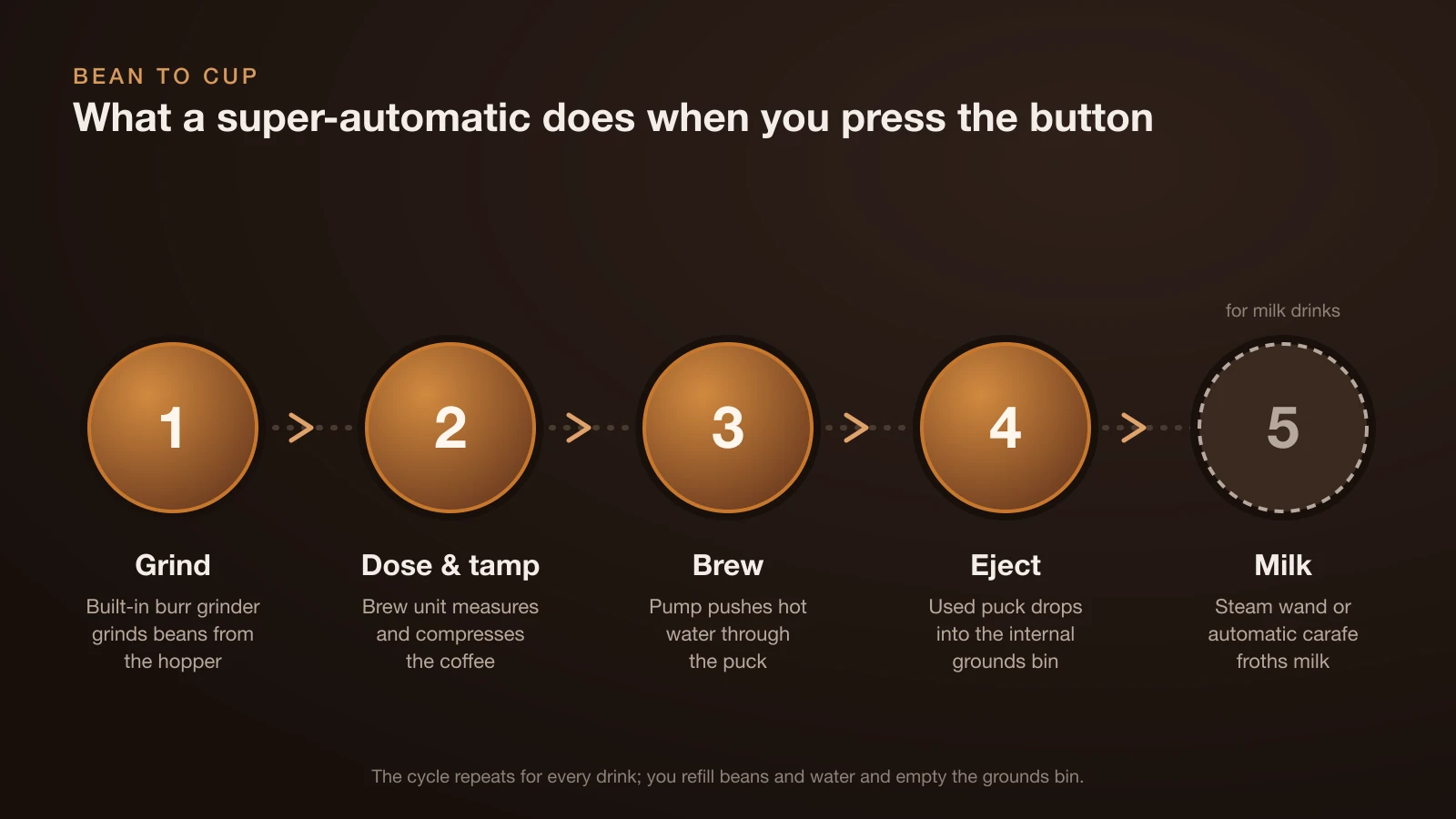
When you press a button, the machine runs a fixed cycle:
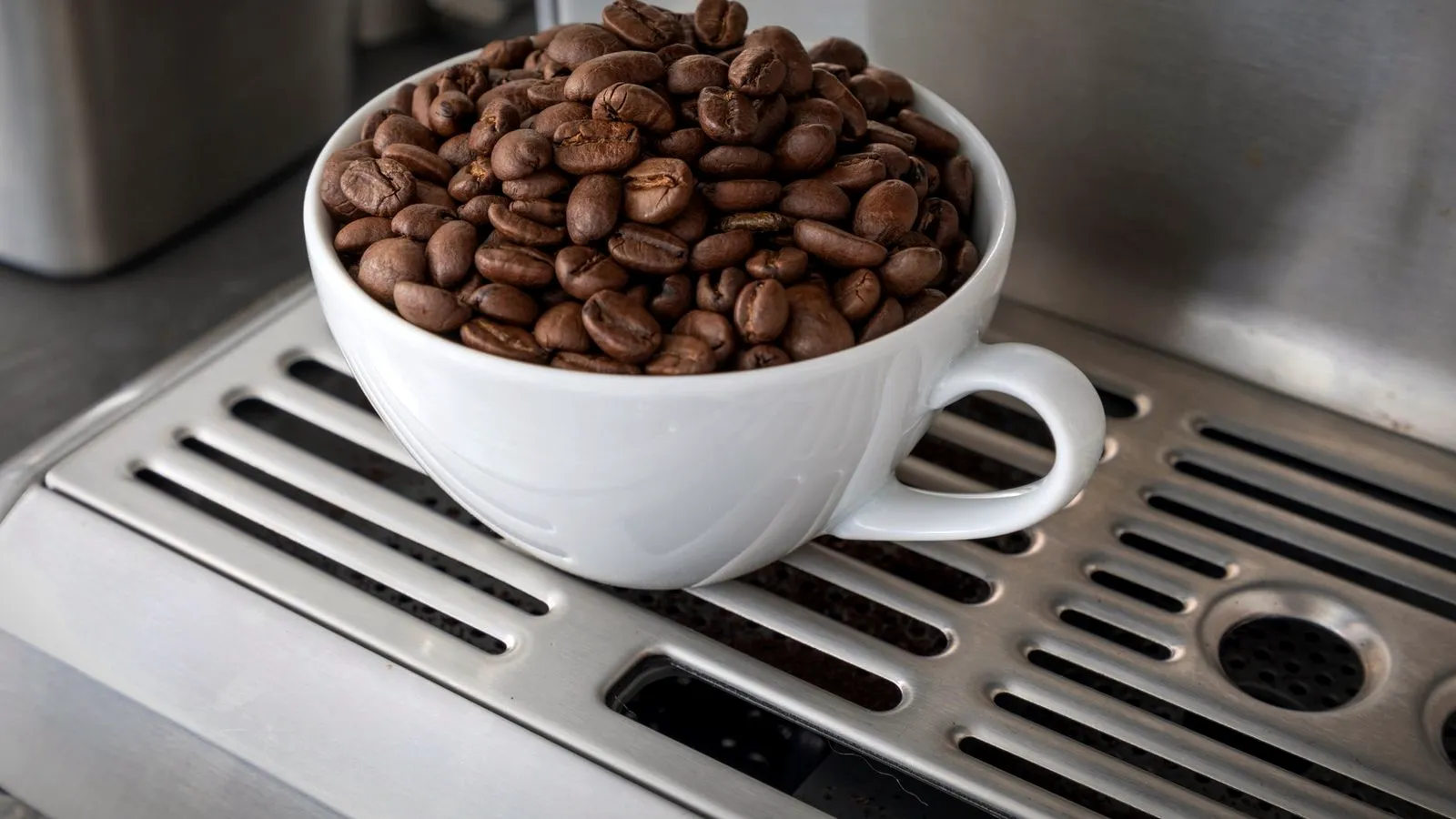
- Grind. A built-in burr grinder grinds beans from the hopper.
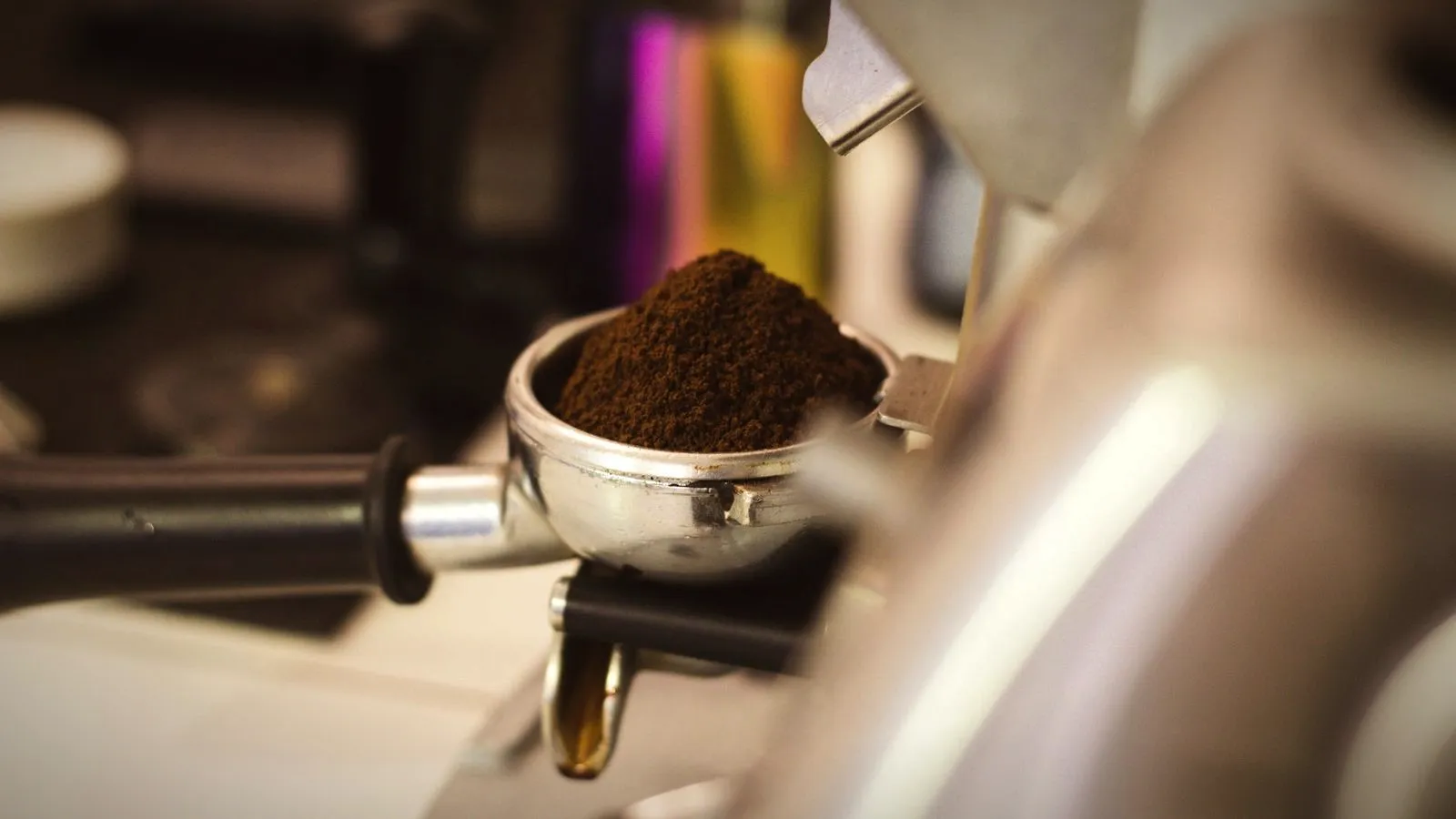
- Dose and tamp. The brew unit (brew group) measures the grounds and compresses them.
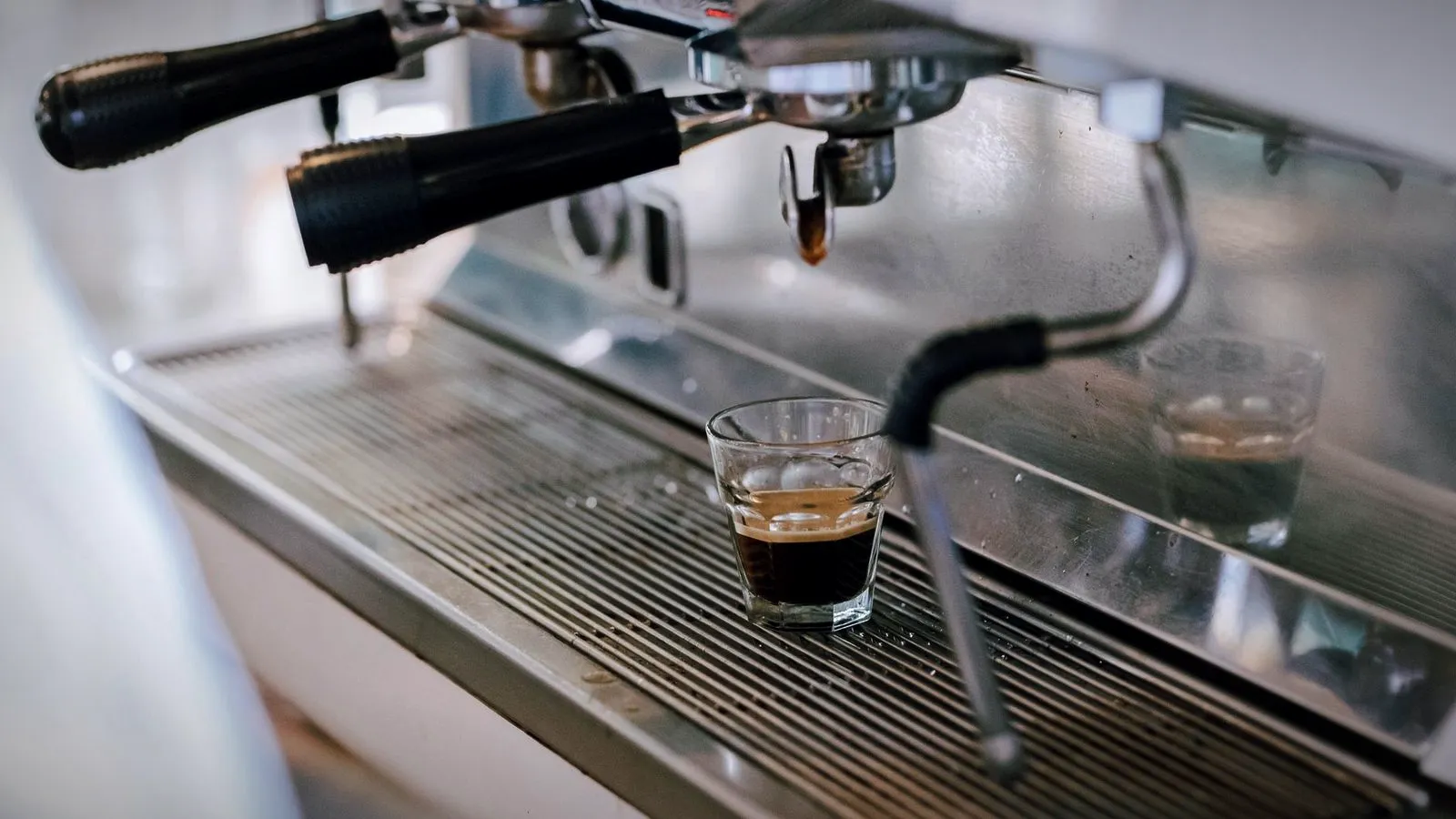
- Brew. The pump pushes hot water through the coffee. Many machines pre-wet the coffee first.
- Eject. The brew unit drops the used puck into an internal grounds bin.
- Milk. For milk drinks, the machine steams or froths milk and adds it.
Because the brewing chamber is enclosed, you choose strength, volume and temperature from a menu rather than by adjusting a portafilter.
Milk systems: steam wand, panarello or automatic carafe
Super-automatics handle milk in one of three ways:
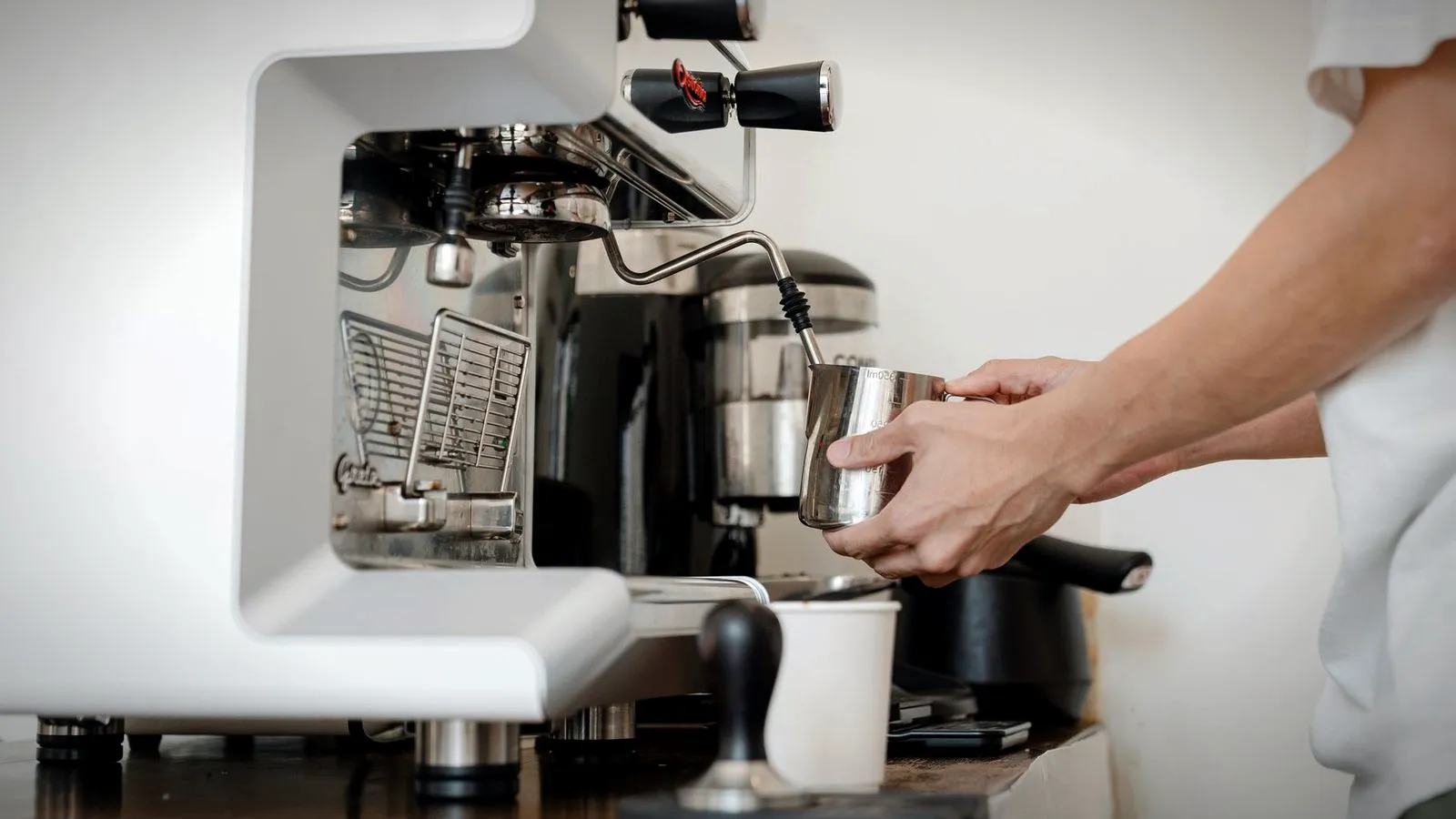
- Manual steam wand: like a semi-automatic, you steam milk in a pitcher yourself. Best control and latte-art potential.
- Panarello wand: a steam wand with a sleeve that pulls in air automatically. Easy foam, less control over texture.
- Automatic milk carafe or tube: the machine draws milk from a container or carton and froths it straight into the cup. The most convenient option, and the one that needs the most regular cleaning.
For ratios and temperatures if you steam by hand, see our guide to espresso with milk.
Pros and cons
Pros
- One-touch convenience. Fresh espresso and milk drinks in about the time it takes to find a cup.
- Consistency. The same drink every time, with no skill required.
- Fresh beans. Unlike pods, you can use any whole-bean coffee.
- Several users. Families and offices can each save a favorite drink. For busy cafés, large bean-to-cup units are one option among the commercial espresso machines built for all-day service.
Cons
- Less control. The grind is set with a dial of preset steps, and De’Longhi says to change it only while the grinder is running. That leaves less room to fine-tune a particular coffee than on a semi-automatic with a separate grinder.
- Bean limitations. De’Longhi warns that beans that are too oily, caramelized or coated can stick to the grinder.
- Maintenance. The brew unit, milk system and water system all need regular care.
- Cost. They cost more upfront than pod machines or entry-level semi-automatics, and repairs can be expensive.
Super automatic vs semi-automatic
A semi-automatic machine uses a powered pump that runs while you hold a switch or press a button, but you grind, dose, tamp and time the shot yourself. That gives you far more control and, with a good grinder, better espresso when dialed in.
A super-automatic trades that control for speed and convenience. If you enjoy the craft of espresso, a semi-automatic or even a manual espresso machine will be more satisfying. If you want a good latte without thinking about it, a super-automatic is hard to beat. Once you know which type you want, our guide to how to use an espresso machine covers the semi-automatic routine.
Super automatic vs Nespresso
Nespresso and similar machines are pod machines, not super-automatics. They have no grinder and brew from sealed capsules.
- Choose a super-automatic if you want to use your own fresh beans, drink several coffees a day and prefer a lower cost per cup over time.
- Choose a pod machine if you want the lowest upfront cost, a small footprint and almost no cleaning, and you are happy with the available capsules.
Maintenance: what super-automatics need
Brands differ, so always follow your manual. The key jobs are:
- Brew unit. Some brands, such as De’Longhi, Gaggia, Saeco and Philips, use a removable brew unit. De’Longhi advises removing it, soaking it in lukewarm water for about five minutes and cleaning it at least monthly, using water only, as detergents damage it. Jura uses a fixed brew unit that is cleaned with automatic cleaning cycles and tablets.
- Milk system. Rinse after every use and clean daily. Jura recommends replacing the milk pipe every three months.
- Water and scale. Descale as prompted. Jura says descaling is not necessary when its water filter is used, provided the filter is changed after 50 liters or two months.
- Grounds bin and drip tray. Empty them before they are full, ideally daily, and let them dry so mold cannot grow in the damp grounds.
Which beans work best?
Use fresh, whole-bean coffee with a dry or only slightly oily surface. Medium and medium-dark roasts suit most super-automatics and taste good with milk. Avoid flavored and very oily dark beans, which leave residue in the grinder. The “espresso” label on a bag is optional; as we explain in espresso beans vs coffee beans, any fresh coffee can be brewed as espresso.
Tips for better coffee from a super-automatic
- Use fresh beans and only put a few days’ worth in the hopper, so they stay fresh.
- Adjust the grind in small steps and judge the result over several drinks, because the grinder holds some coffee from the previous setting.
- Use the strength setting to change the dose rather than making drinks longer, which dilutes them.
- Preheat your cup with hot water, or use the cup warmer if your machine has one.
- Keep the milk system spotless. Old milk residue is the most common cause of off flavors in milk drinks.
Is a super-automatic right for you?
- Yes, if you want café-style drinks at home with minimal effort, have several coffee drinkers in the house, or value consistency over experimentation.
- Maybe not, if you love tinkering with grind and ratio, mainly drink straight espresso and want the best possible shot, or have a small budget.
Still comparing categories? Our guide to espresso maker vs espresso machine covers the simpler options too.
The bottom line
A super automatic espresso machine grinds, tamps, brews and cleans up after each shot on its own, and many froth milk too. It is the most convenient way to make espresso drinks from fresh beans, at the cost of control, a higher price and regular cleaning of the brew unit and milk system. If convenience matters most, it is an excellent choice; if the craft matters most, choose a semi-automatic.
Sources
- De’Longhi: Brewing unit cleaning and maintenance and Common issues with fully automatic coffee machines (oily, caramelized or coated beans; set the grinder only while it is grinding)
- Jura: Optimum maintenance FAQ