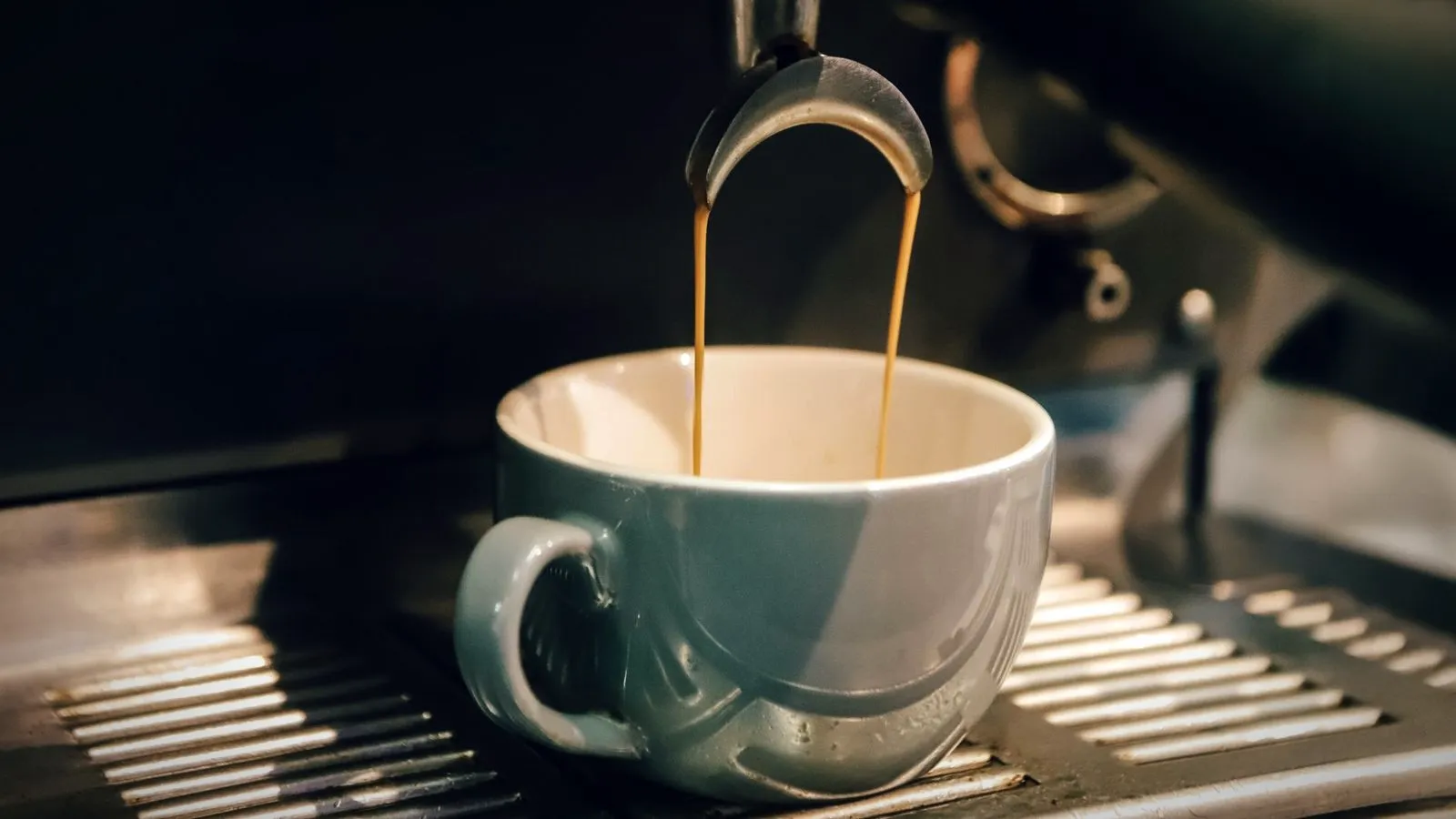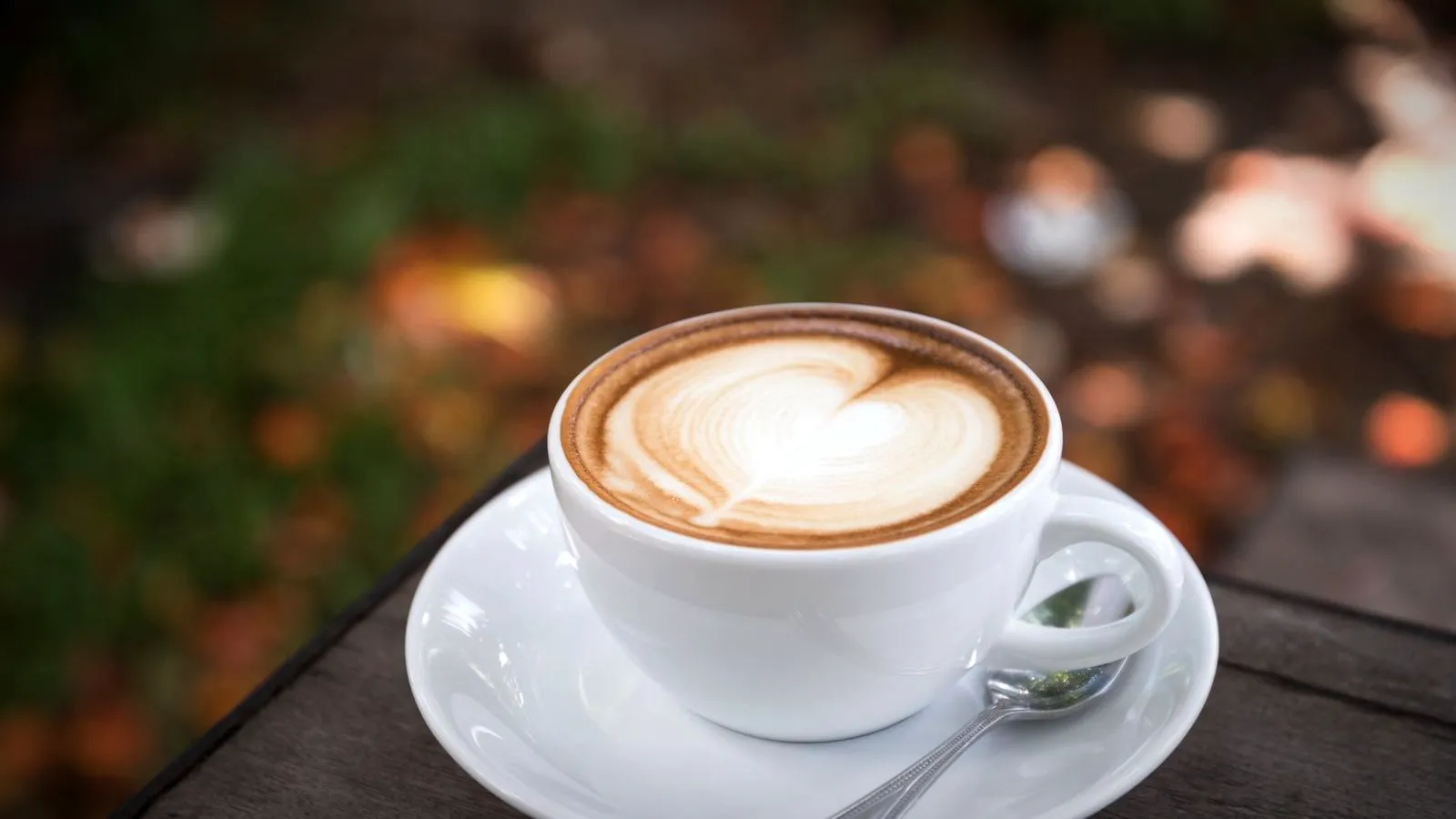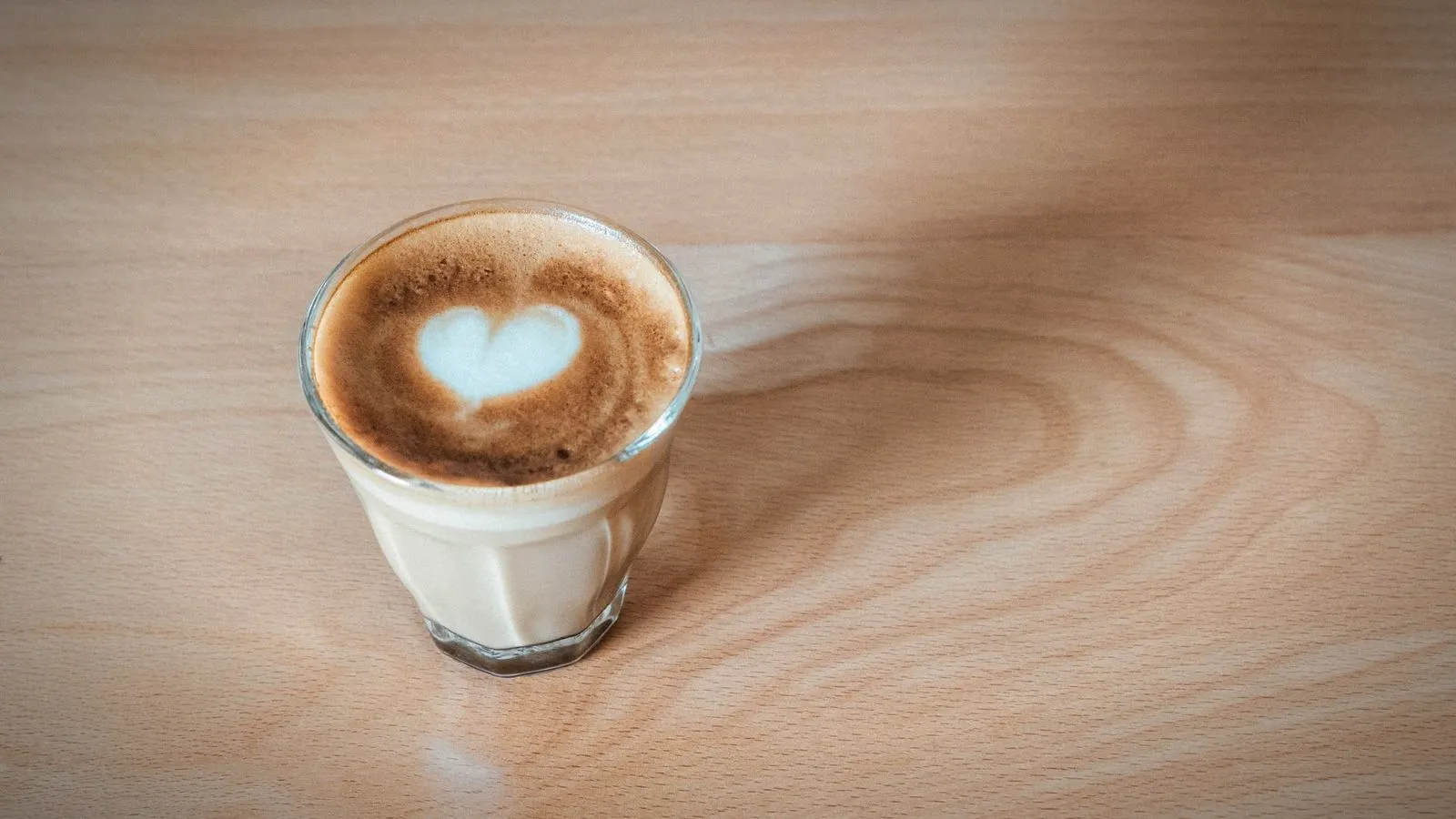

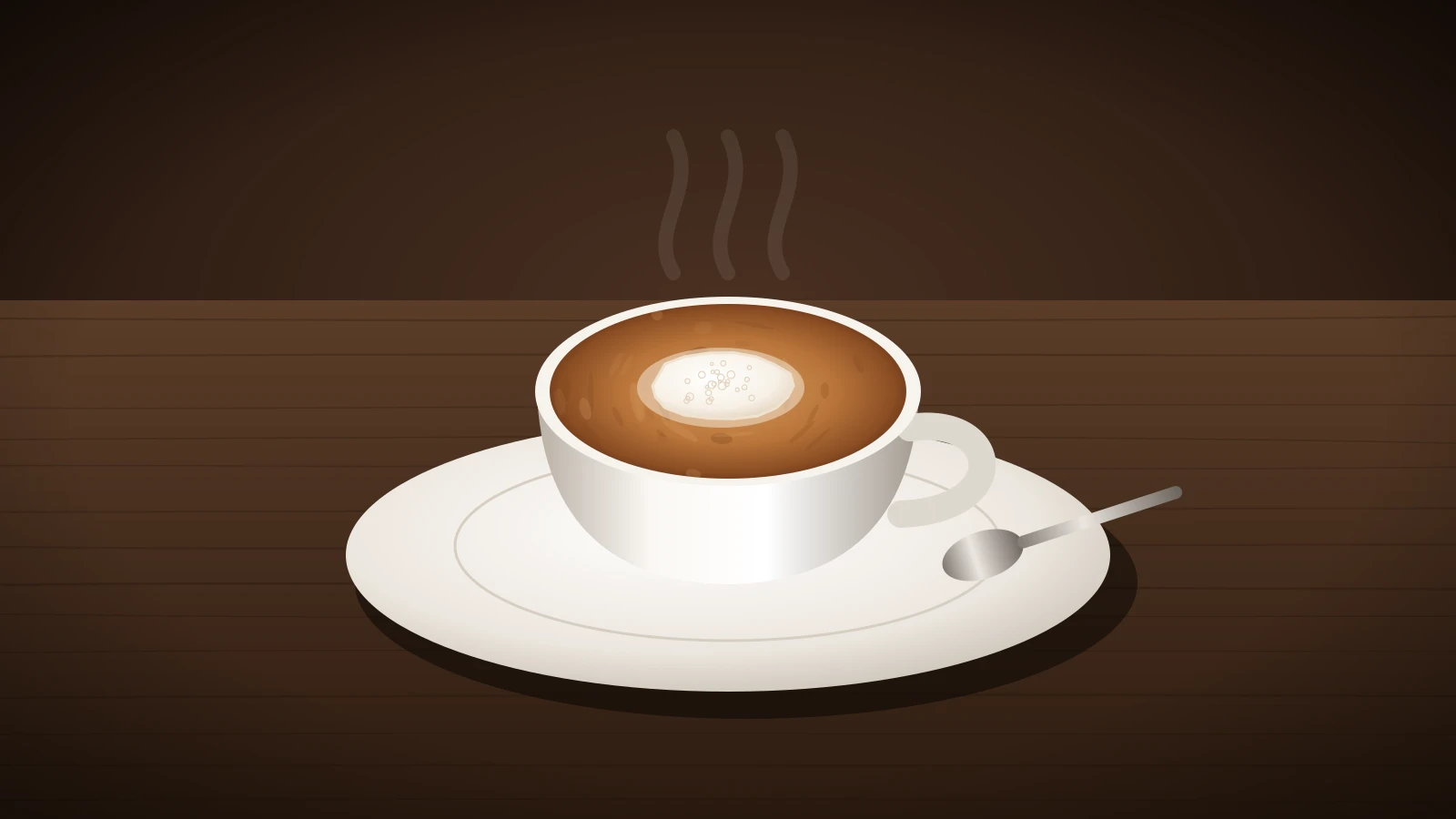
A macchiato is a shot of espresso “marked” with a small spoonful of milk foam. Its full Italian name is caffè macchiato, and it is also called an espresso macchiato. It is tiny, usually about 1–2 oz (30–60 ml), and tastes almost like straight espresso, with the foam softening the first sip.
That is the traditional drink. In many US cafés, though, “macchiato” also means a large, sweet layered drink such as the caramel macchiato, which is much closer to a latte. For a side-by-side with its milkier cousin, see macchiato vs latte.
The short answer
| Espresso macchiato | |
|---|---|
| What it is | Espresso topped with a spoonful of milk foam |
| Meaning | Italian for “marked” or “stained”; caffè macchiato |
| Pronunciation | mah-kee-AH-toh |
| Espresso | 1 or 2 shots |
| Milk | One or two teaspoons of foam |
| Size | About 1–2 oz; Starbucks lists a doppio at 1.6 fl oz |
| Cup | Small espresso cup (demitasse) |
| Taste | Intense and espresso-forward, slightly softened |
| Caffeine | About 63 mg per shot |
| Calories | Starbucks: 10 kcal single, 15 kcal doppio |
Café versions vary, so treat the size as a typical range.
What is a macchiato?
A macchiato is an espresso with a little foamed milk added on top, and nothing else. Merriam-Webster defines it as espresso topped with a thin layer of foamed milk. Starbucks describes its Espresso Macchiato as espresso marked with a dollop of steamed milk and foam, and calls it a European-style classic.
The milk is a garnish, not a main ingredient. A barista pulls a single or double shot, then spoons a small cap of foam onto the crema, so the drink looks like espresso with a white spot in the middle.
“Macchiato,” “espresso macchiato” and “caffè macchiato” all mean this same small drink. It sits between a straight espresso and a cortado on the scale of milkiness. Our guide to types of espresso drinks shows where it fits among the others.
What does macchiato mean?
Macchiato is Italian for “stained,” “marked” or “spotted,” because the foam leaves a mark on the espresso. Merriam-Webster gives the etymology as Italian, short for caffè macchiato, literally “coffee with a spot (of milk).” It dates the first known use of the word in English to 1980.
Starbucks uses the same idea in its own explanation: macchiato means “marked,” and each of its macchiato drinks is marked by espresso, foam or a caramel cross-hatch. In its Espresso Macchiato the foam marks the espresso, while in its Caramel Macchiato the espresso marks the milk. That reversal is the root of most macchiato confusion, as the next section shows.
How do you pronounce macchiato?
Macchiato is pronounced mah-kee-AH-toh, with the stress on the third syllable. Merriam-Webster transcribes it as ˌmä-kē-ˈä-(ˌ)tō. The “cch” is a hard k sound, as in most Italian words, so it is not “ma-chee-AH-toh.”
Types of macchiato: espresso, latte and caramel
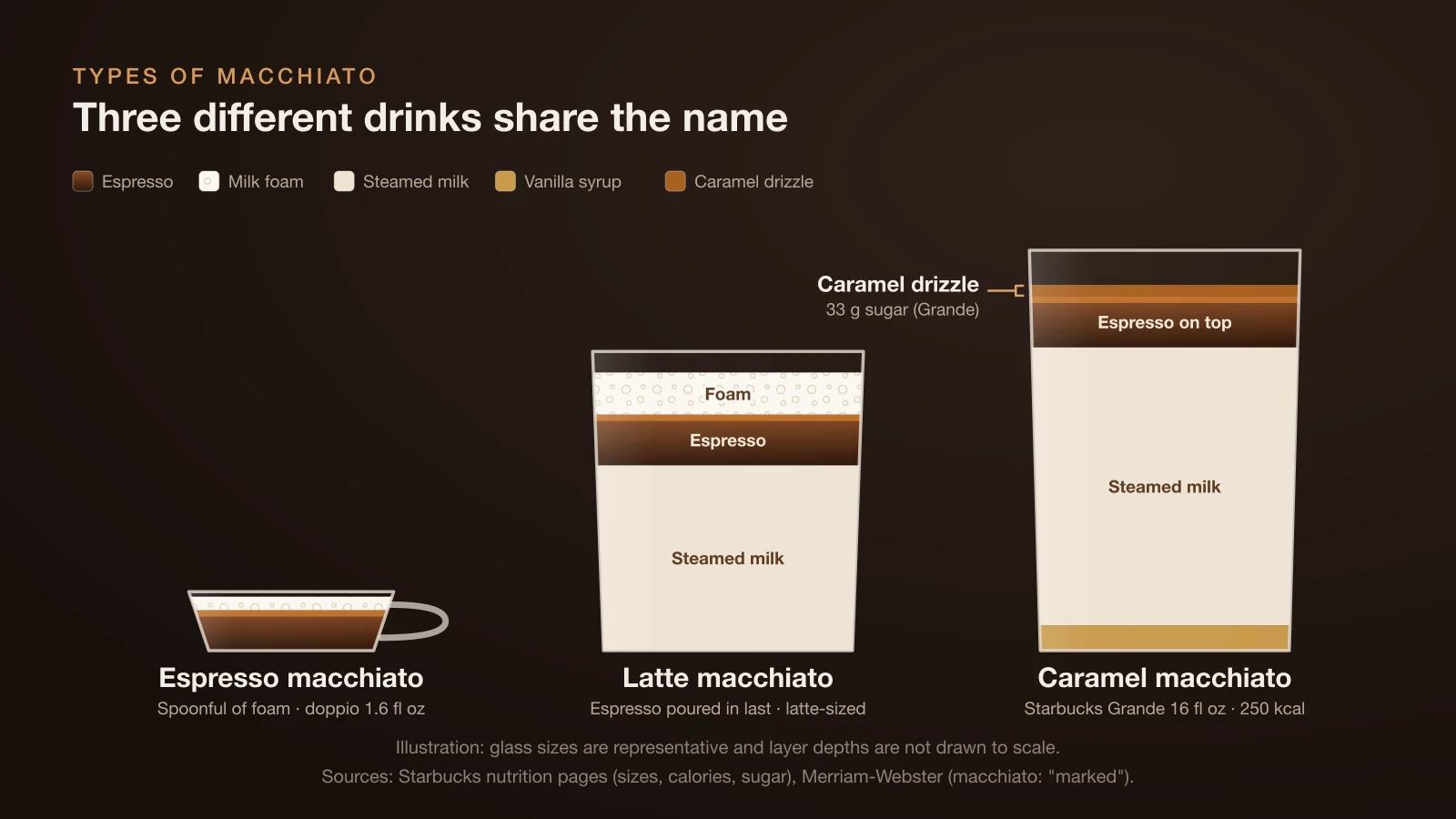
Three different drinks use the word macchiato, and they range from a Starbucks doppio of 1.6 oz to a 16 oz Grande sweet milk drink. The difference is which ingredient “marks” which.
| Espresso macchiato | Latte macchiato | Caramel macchiato (Starbucks style) | |
|---|---|---|---|
| Build | Espresso first, a spoonful of foam on top | Steamed milk in a tall glass, espresso poured in last | Vanilla syrup and steamed milk, espresso on top, caramel drizzle |
| What marks what | Milk marks the espresso | Espresso marks the milk | Espresso marks the milk |
| Typical size | Starbucks doppio: 1.6 fl oz | A tall glass, latte-sized | Starbucks Grande: 16 fl oz |
| Taste | Intense, espresso-forward | Milky, layered | Sweet, vanilla and caramel |
| Calories | Starbucks: 15 kcal for a doppio | Similar to a latte of the same size | Starbucks: 250 kcal, 33 g sugar for a Grande |
The espresso macchiato is the original and the subject of this guide. The latte macchiato is a traditional Italian milk drink that tastes milkier than a latte. The caramel macchiato is Starbucks’ freshly steamed milk with vanilla-flavored syrup, marked with espresso and topped with caramel drizzle, in practice an upside-down vanilla latte.
If you want the traditional drink at a chain, order an espresso macchiato by name.
How to make a macchiato at home
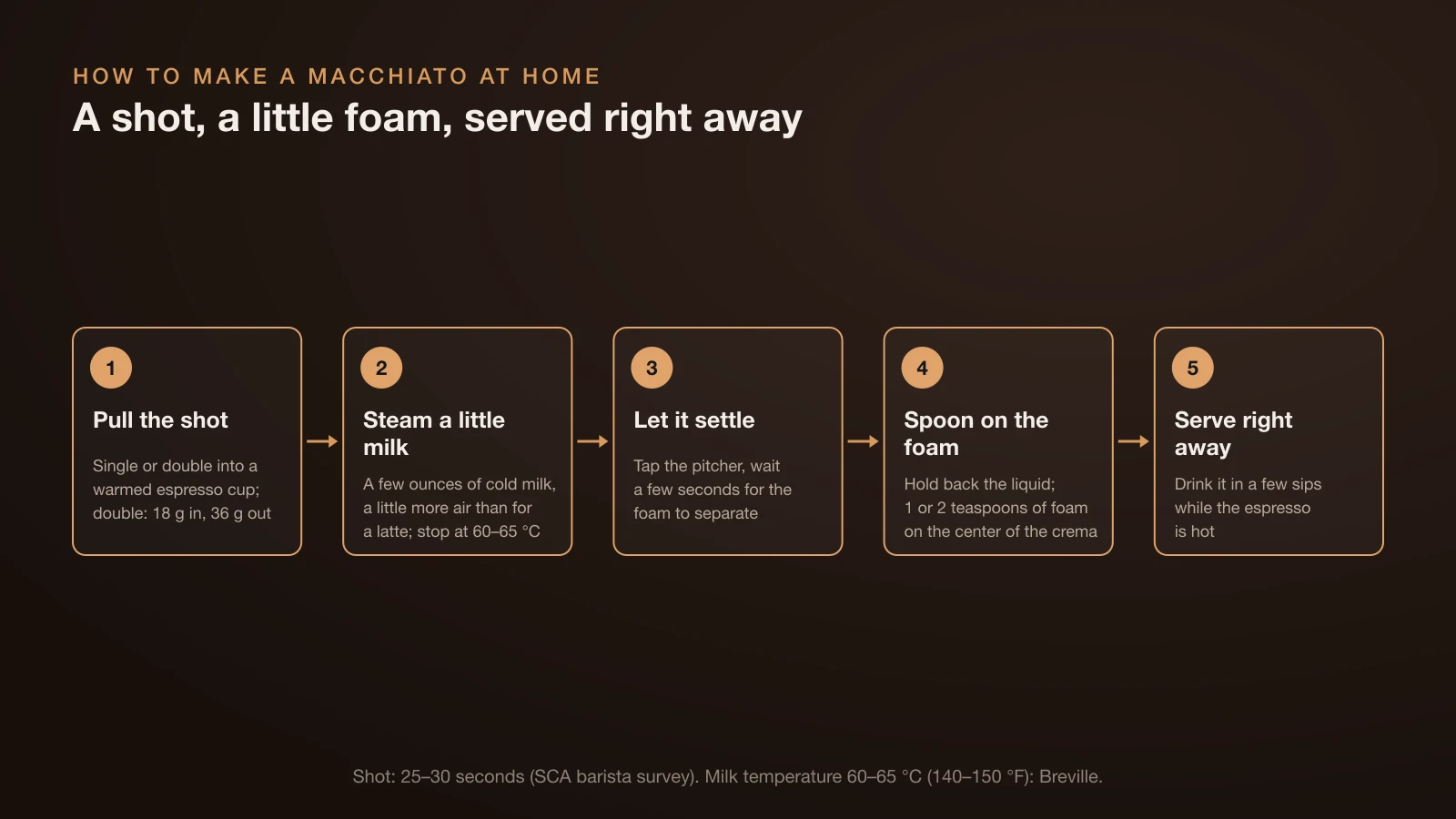
You make a macchiato at home by pulling a shot of espresso and spooning a little milk foam on top. It takes only a few minutes once your machine is warm.
You need: an espresso machine with a steam wand, freshly ground coffee, a small milk pitcher, cold milk, a teaspoon and a small espresso cup.
- Pull the shot. Brew a single or double espresso directly into a warmed espresso cup. A double is about 18 g of coffee in and 36 g out in 25–30 seconds; our guide on how to make espresso covers the basics.
- Steam a small amount of milk. Fill the pitcher with a few ounces of cold milk, more than you need, because a tiny amount is hard to steam. Add air for a little longer than for a latte to build a thicker foam, and stop at 60–65 °C (140–150 °F).
- Let it settle. Tap the pitcher on the counter and wait a few seconds so the foam separates on top.
- Spoon on the foam. Hold back the liquid milk with the spoon and place one or two teaspoons of foam on the center of the crema.
- Serve right away. A macchiato is drunk in a few sips while the espresso is hot.
Whole milk makes the richest, most stable foam. Without a steam wand, a handheld frother, or cold milk shaken in a jar and then microwaved with the lid off, can make enough foam for one macchiato, and strong moka pot coffee can stand in for the shot, though it will not be true espresso.
What does a macchiato taste like?
A macchiato tastes like a strong espresso with its sharpest edges rounded off. The first sip goes through the foam, which is soft and slightly sweet, and then the full espresso arrives with its bitterness, acidity and crema intact. There is not enough milk to dilute it.
That makes it a good choice if straight espresso is a little harsh for you but a latte tastes too milky. If you want more milk, the next steps up are a cortado, at roughly equal parts espresso and milk, then a cappuccino and a latte.
All three sit side by side in cappuccino vs latte vs macchiato. Compare them in cortado vs latte, macchiato vs cappuccino and our explainer on what a latte is.
How much caffeine is in a macchiato?
A macchiato has the same caffeine as the espresso shots in it, because the spoonful of foam adds none. USDA data puts espresso at about 212 mg of caffeine per 100 g, or roughly 63 mg in a 1 oz single shot and 126 mg in a double. Starbucks lists 75 mg for a single Espresso Macchiato and 150 mg for a doppio.
So is a macchiato stronger than coffee? In flavor, yes, by a long way. In caffeine, a single macchiato has less than an 8 oz cup of brewed coffee, which USDA puts at about 95 mg, and a double has more. For more on shot strength, see caffeine in a shot of espresso.
Macchiato sizes and cups
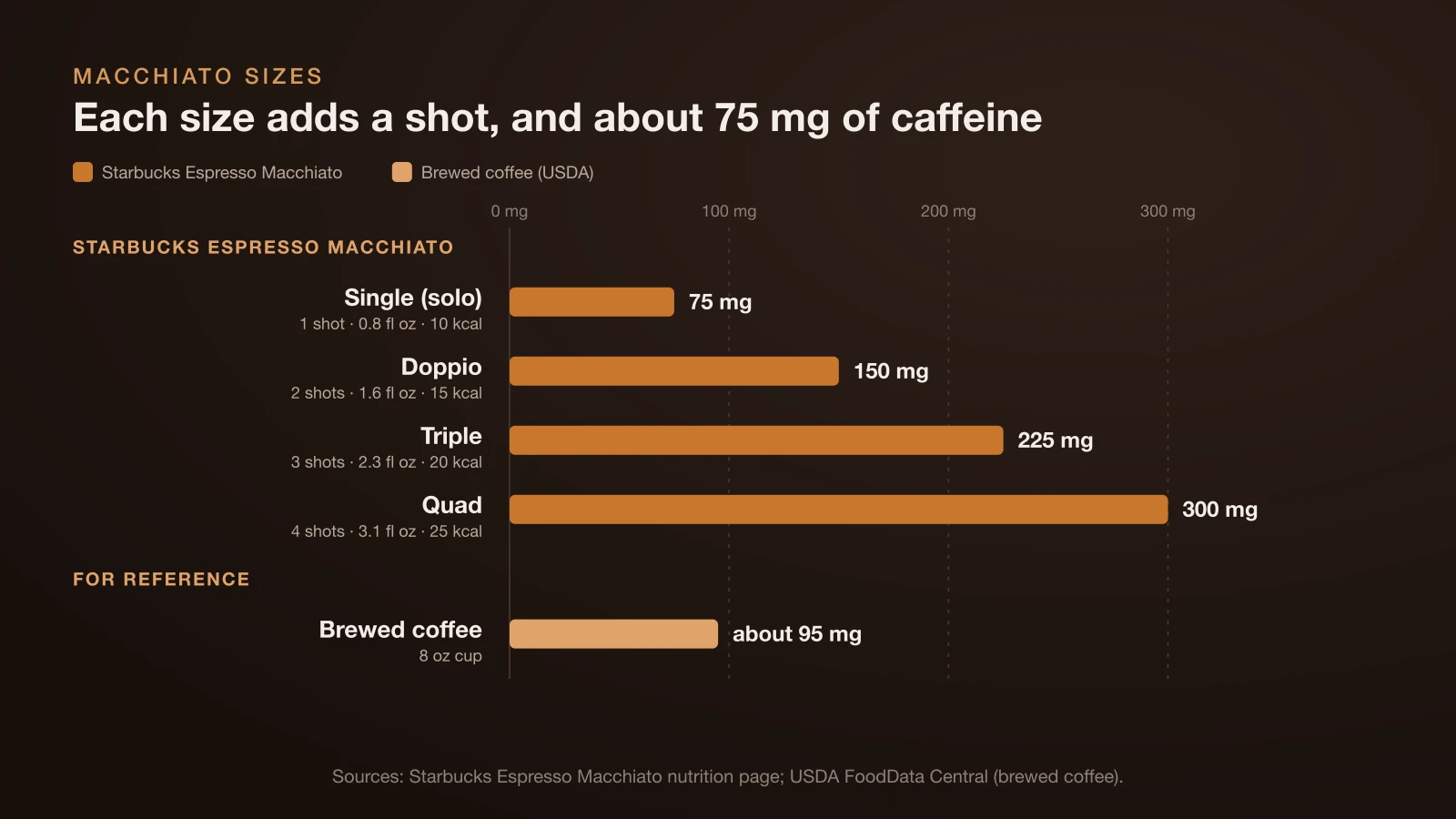
A macchiato comes in espresso sizes, not latte sizes, so it is always small. Starbucks sells its Espresso Macchiato in four sizes:
| Starbucks Espresso Macchiato | Shots | Volume | Calories | Caffeine |
|---|---|---|---|---|
| Single (solo) | 1 | 0.8 fl oz | 10 kcal | 75 mg |
| Doppio | 2 | 1.6 fl oz | 15 kcal | 150 mg |
| Triple | 3 | 2.3 fl oz | 20 kcal | 225 mg |
| Quad | 4 | 3.1 fl oz | 25 kcal | 300 mg |
In Italy it is even smaller. The Istituto Espresso Italiano (IEI) defines a certified Italian espresso as about 25 ml, so a caffè macchiato there is roughly an ounce.
Serve it in a thick-walled espresso cup that holds heat and leaves a little room above the shot for the foam. Our guide to ceramic espresso cups covers the sizes and shapes.
Is a macchiato hot or iced?
A traditional macchiato is served hot, but iced versions exist. Starbucks describes its Iced Espresso Macchiato as espresso poured over ice and topped with steamed milk foam, and it keeps the same shot count as the hot drink.
The more common cold drink is the iced caramel macchiato: vanilla syrup and cold milk over ice, espresso poured on top and caramel drizzled over it. That is a sweet, latte-sized drink rather than an espresso macchiato. If you want a cold milk drink built on espresso, an iced latte is the simpler version.
The bottom line
A macchiato is espresso marked with a spoonful of milk foam: small, strong and almost calorie-free. The name means “marked” or “spotted” in Italian and is pronounced mah-kee-AH-toh. A latte macchiato and a caramel macchiato flip the idea and are much milkier, so ask for an espresso macchiato when you want the original.
Sources
- Merriam-Webster: macchiato (definition, pronunciation, etymology “coffee with a spot (of milk)”, first known use 1980)
- Starbucks nutrition: Espresso Macchiato (description; sizes 0.8–3.1 fl oz, 10–25 kcal, 75–300 mg), Iced Espresso Macchiato (espresso over ice, steamed milk foam) and Caramel Macchiato (description; Grande 16 fl oz, 250 kcal, 33 g sugar); Starbucks Stories: Five things you didn’t know about Starbucks macchiato (archived; macchiato means “marked”)
- USDA FoodData Central: Coffee, brewed, espresso, restaurant-prepared (212 mg caffeine and 9 kcal per 100 g; 1 fl oz = 29.6 g) and Coffee, brewed (about 95 mg caffeine per 8 oz)
- Breville: Barista Express BES875 instruction book (macchiato served short or as a long black with a dash of milk or a dollop of textured milk) and Latte recipe (milk steamed to 60–65 °C, 140–150 °F)
- Istituto Espresso Italiano and Specialty Coffee Association: Certified Italian Espresso (about 25 ml) and Defining the ever-changing espresso (archived; barista survey: 18–20 g dose, 1:2 average ratio, 25–30 second shots)