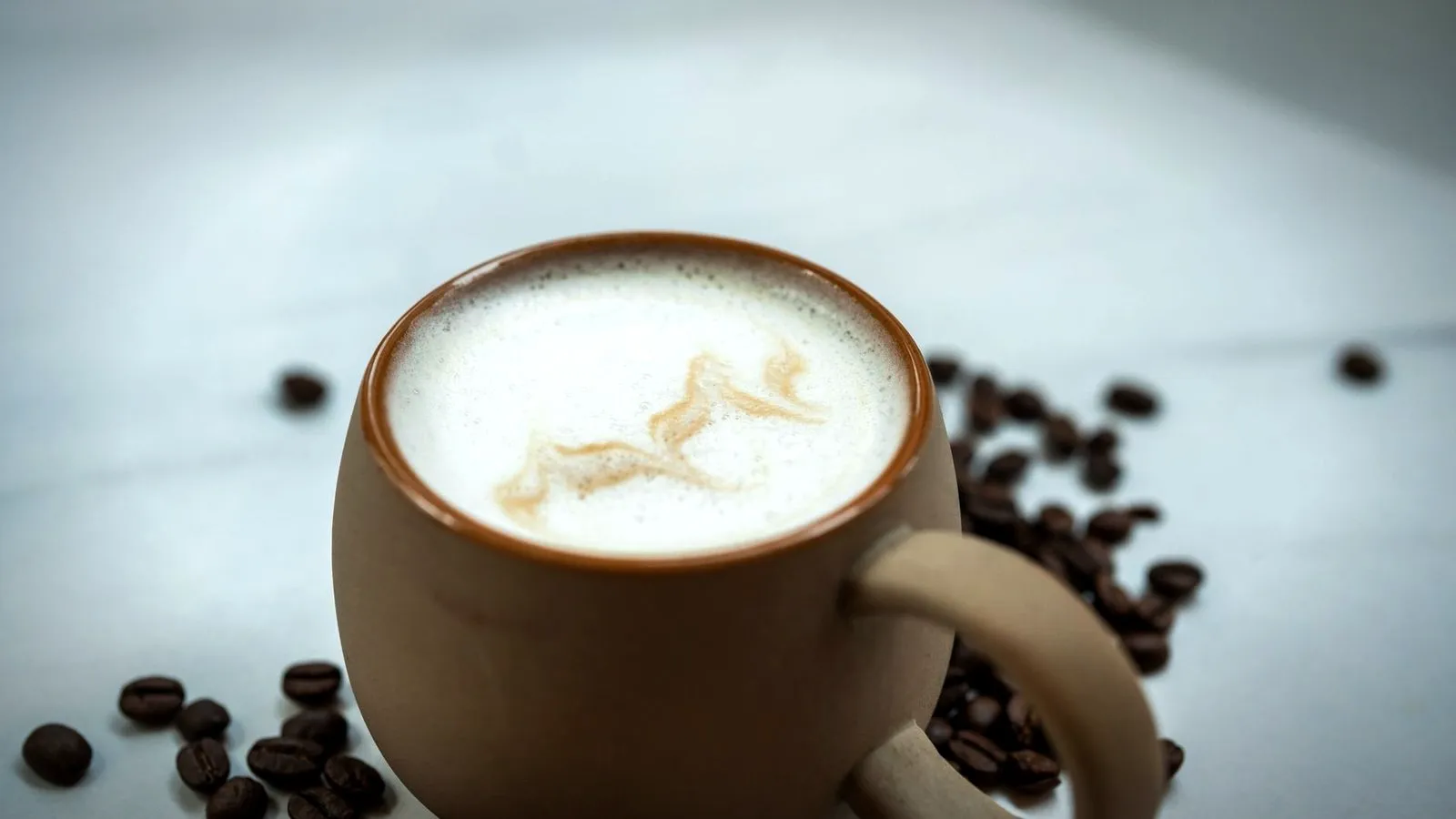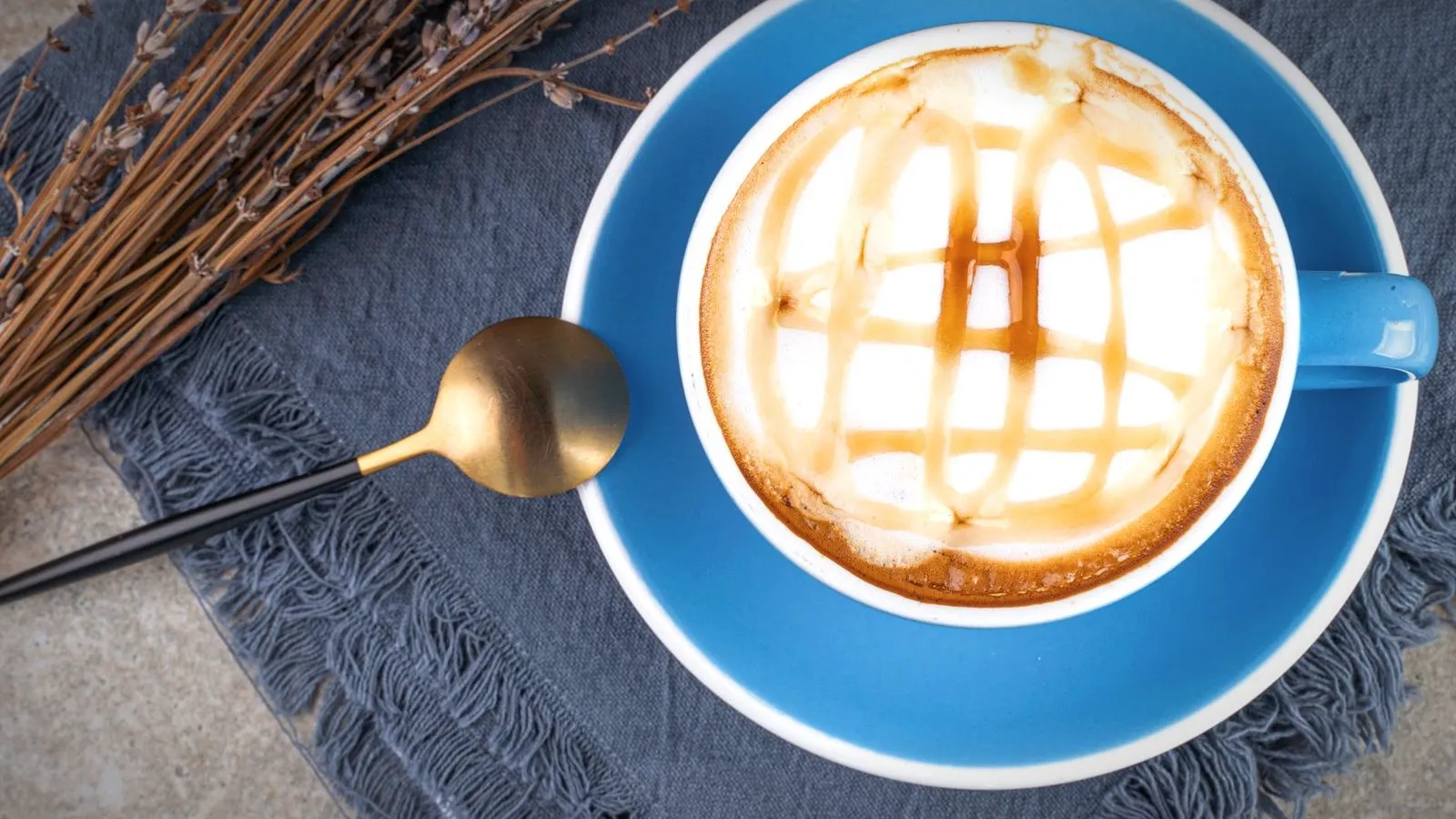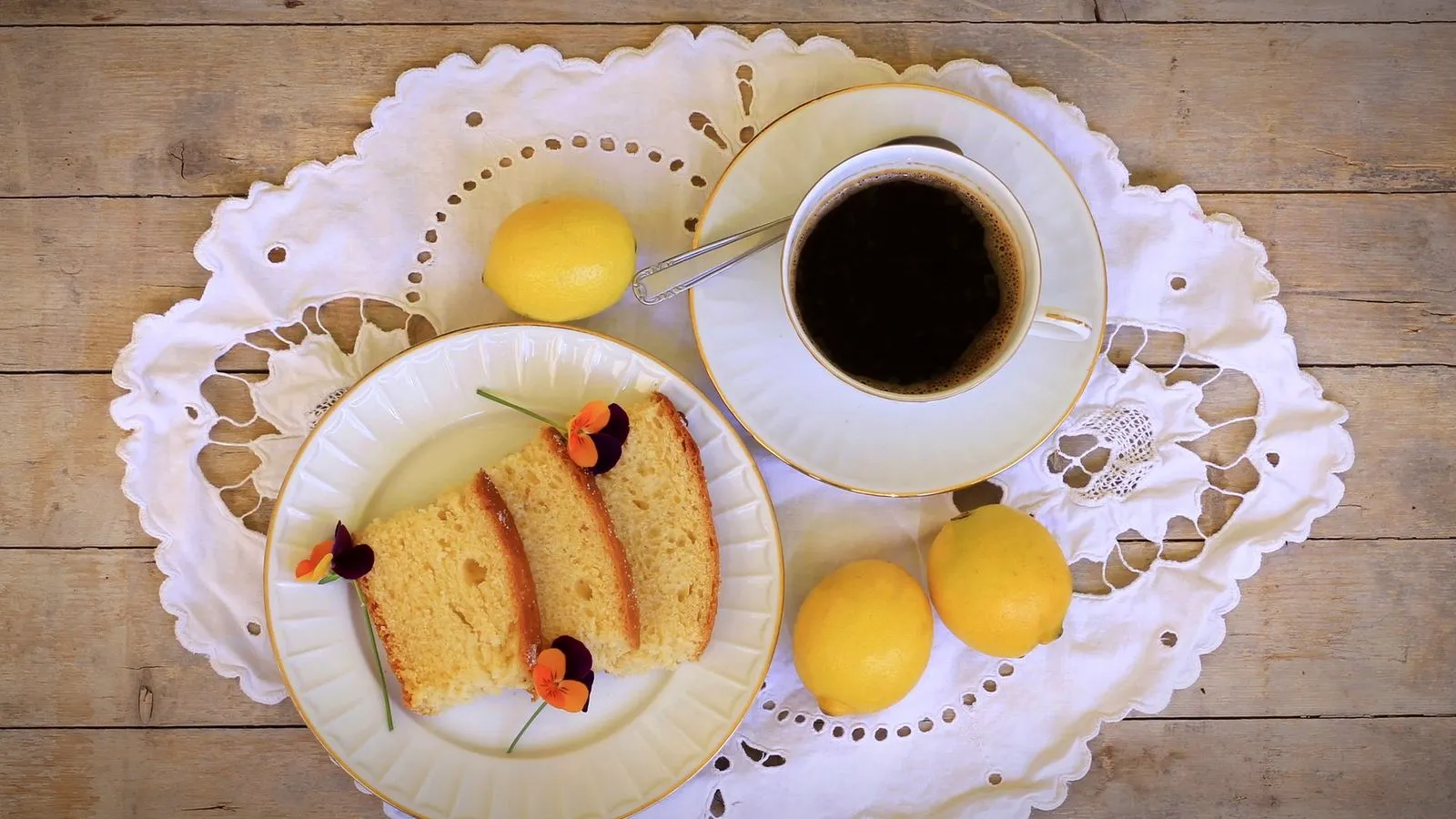
An espresso romano is a shot of espresso served with a thin strip of lemon peel, either twisted over the cup, dropped into it or set on the saucer. The lemon adds a bright citrus aroma that plays against the espresso’s roast and bitterness. It contains no milk and, unless you add it, no sugar.
It is one of the smallest drinks on the espresso menu, and one of the easiest to make at home: all you need beyond the shot is a lemon. For how it fits among lattes, macchiatos and the rest, see our overview of types of espresso drinks.
Below you will find the recipe, what the lemon actually does, what is and is not known about the drink’s origin, and its creamy cousin, the espresso con panna.
The short answer
- What it is: a single or double espresso with a strip of lemon peel.
- How to make it: pull the shot, twist a strip of peel over the cup to release its oils, then drop it in or leave it on the saucer.
- Taste: espresso first, with a fresh citrus aroma on top. Juice makes it sour, so use peel.
- Caffeine: the same as the shot, about 63 mg in a 1 oz (30 ml) single and 126 mg in a double (USDA).
- Calories: about 3 kcal for a single shot, plus roughly 1 kcal of lemon peel.
What is an espresso romano?
An espresso romano is plain espresso with lemon added for aroma, usually as a twist of peel. De’Longhi’s coffee site describes it as tempering a hot espresso with “a delicate touch of lemon,” prepared by dropping a thin strip of peel, with the pulp removed, into each cup.
“Romano” means “Roman” in Italian, but the name does not prove where the drink began. The lemon can be served three ways:
- Twisted over the cup: the oils spray onto the crema, then the peel is removed or dropped in.
- In the cup: the strip sits in the espresso while you drink.
- On the saucer: the drinker decides whether to add it, and some rub it along the rim.
Because it has no milk, the espresso romano belongs with the straight espresso drinks rather than the milk drinks. If you want espresso stretched into a bigger drink instead, our guide to coffee with a shot of espresso covers the brewed-coffee versions.
Espresso romano recipe: how to make it at home
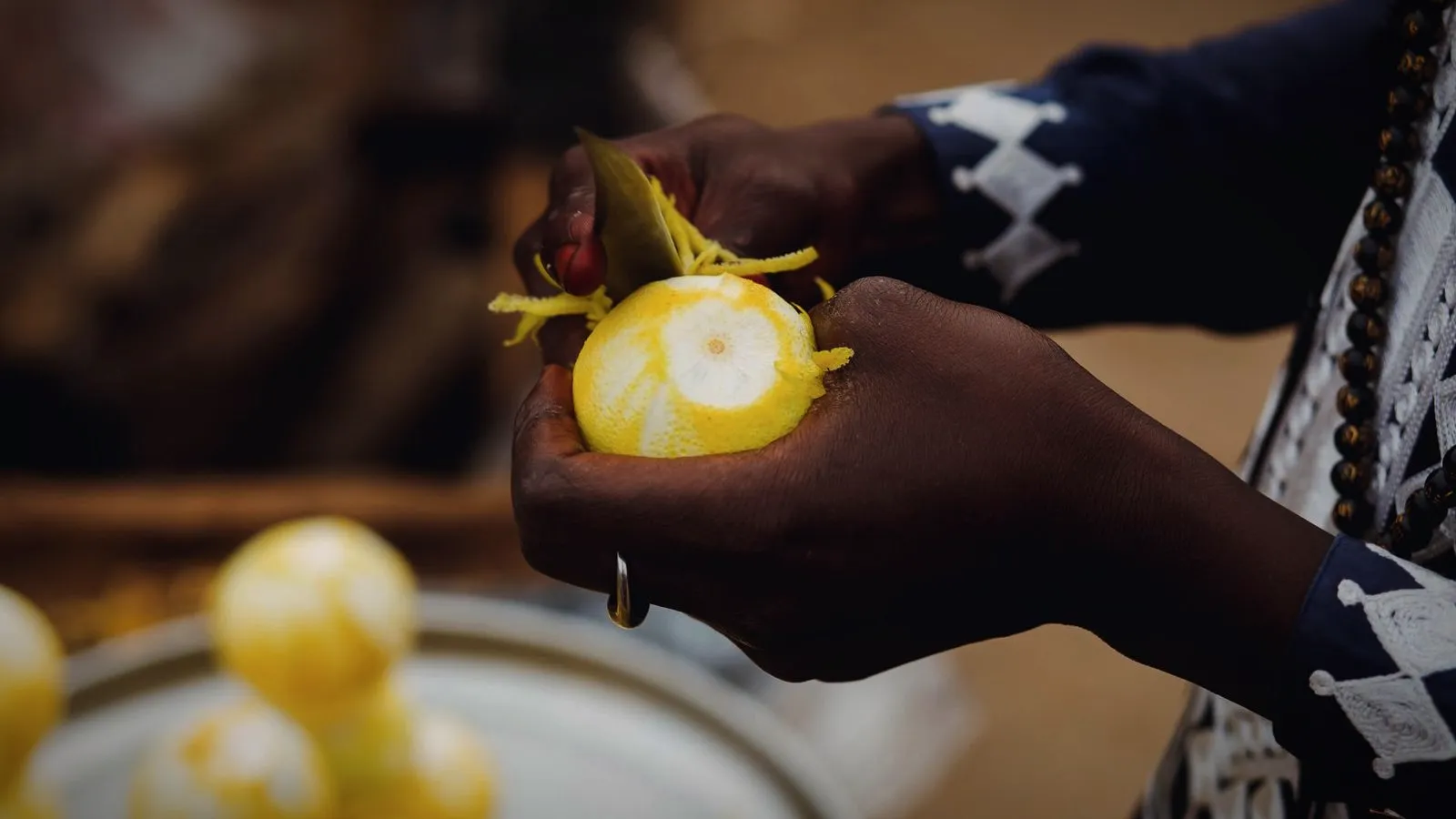
To make an espresso romano, pull a single or double shot into a warm cup and add a thin strip of lemon peel. It takes about as long as the shot itself.
Ingredients
- 1 single (about 1 oz, 30 ml) or double (about 2 oz, 60 ml) espresso
- 1 fresh lemon, washed and dried
- Sugar, optional
Steps
- Wash the lemon. The peel is what goes in the cup, so rinse and dry it first.
- Cut a thin strip of peel. Use a vegetable peeler or a small knife to take a strip about the length of a finger, keeping only the yellow outer layer and removing any pulp.
- Pull the shot. Brew espresso straight into a warmed demitasse. If you are new to your machine, our guide on how to use an espresso machine walks through it.
- Sweeten, if you want. Stir in sugar now, before the peel, so it dissolves in the hot coffee.
- Twist the peel over the cup. Hold the strip yellow side down and twist or pinch it just above the crema to release its oils. Rub it along the rim if you like the aroma at every sip.
- Serve. Drop the strip in or rest it on the saucer, and drink while hot.
In Italy an espresso is smaller than many home shots: the Italian Espresso Institute puts a certified espresso at about 25 ml. Either size works; a double simply gives the lemon more coffee to balance.
Peel, slice or juice?
Peel is the version De’Longhi describes, and it adds aroma without making the coffee sour. A lemon slice adds peel oils plus a little juice, so the drink turns noticeably tarter. A squeeze of juice adds acidity with little aroma, which can clash with espresso’s own acidity.
Start with a strip of peel. Move to a thin slice only if you want a sharper, more lemony cup.
No espresso machine?
A moka pot makes a strong, concentrated coffee that works with lemon in the same way, even though it is not true espresso. Our guide on how to use a moka pot covers the method.
Good beans matter here, since there is no milk to hide the coffee. A blend you already enjoy as a straight shot is the right place to start; our espresso beans guide explains roast levels and blends.
What does lemon do to espresso?
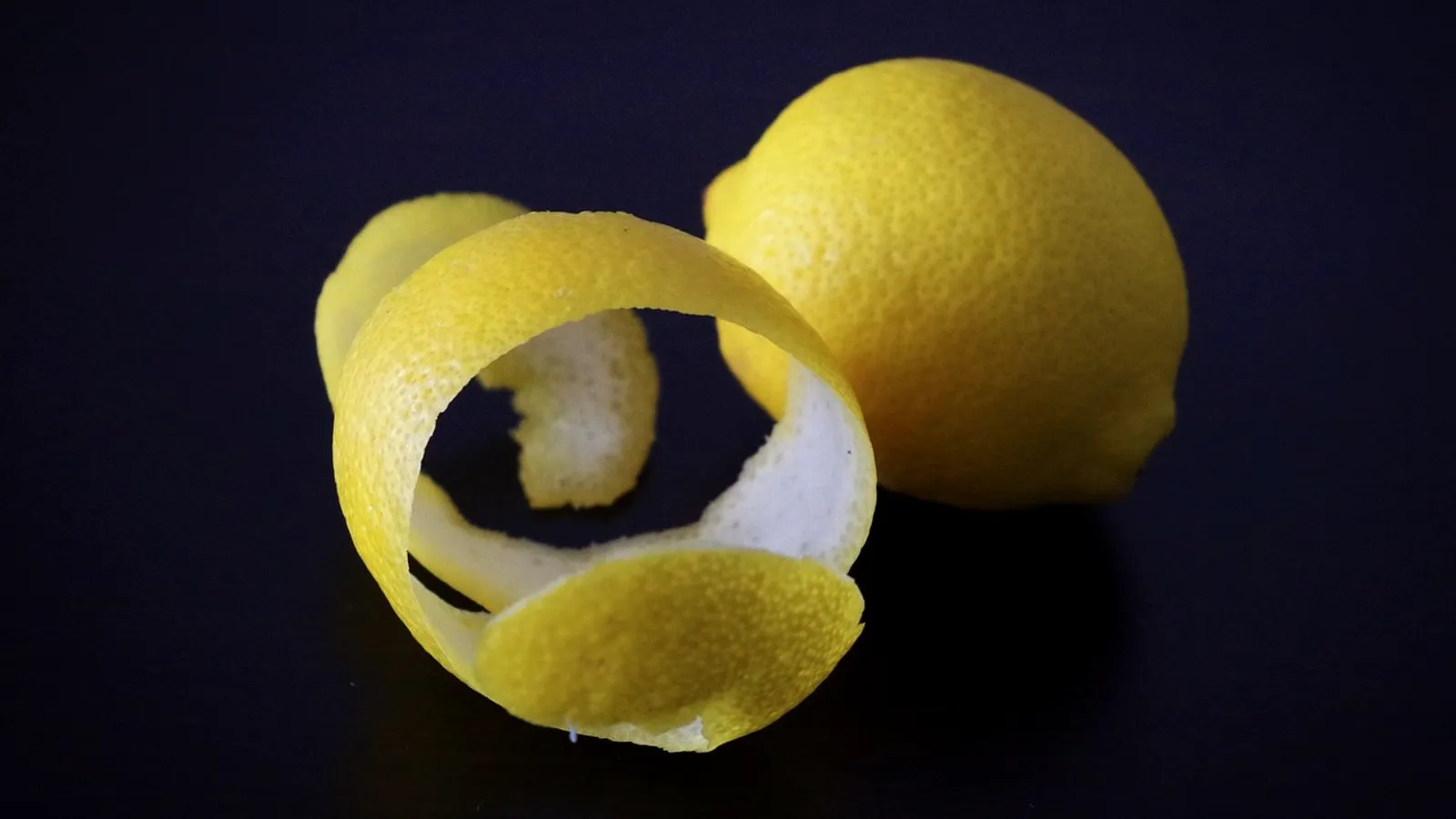
Lemon peel mainly changes the aroma of espresso, not its strength or its chemistry in any dramatic way. The fragrant part of a lemon is the yellow outer layer of the peel, called the flavedo, which holds essential oil, mostly limonene, in tiny oil glands. The white layer underneath, the albedo, is not where those oils are stored.
Twisting the strip presses some of that oil out onto the crema, so you smell citrus before and during every sip. That is why the drink can seem brighter even though the coffee in the cup is unchanged.
The Italian Espresso Institute describes a well-made espresso as one where sour and bitter tastes are balanced and neither dominates. Lemon peel adds a competing aroma on top of that balance; it does not remove bitterness. If your shots taste harsh on their own, the fix is usually in the extraction, which we cover in why espresso tastes bitter.
Where does espresso romano come from?
The origin of the espresso romano is not well documented, so any single story should be treated with caution. The name points to Rome, but that is not evidence of where it started.
- Southern Italy: De’Longhi’s coffee site says the drink has ties to Naples and Campania because of the Amalfi Coast’s abundance of lemons, and that it is practiced widely enough to appear as far north as Venice.
- Other stories: accounts that credit wartime Italy, or say lemon was used to mask poor coffee, circulate online but are not backed by reliable historical sources.
What is clear is that lemon is not part of the standard espresso. The Italian Espresso Institute’s certified espresso is defined by its volume, crema, aroma and taste, with no garnish. So the espresso romano is best seen as a regional habit and a café-menu variation rather than an Italian rule.
Espresso romano caffeine and calories
An espresso romano has the same caffeine as the espresso inside it, because lemon contains no caffeine. USDA lists espresso at 212 mg of caffeine per 100 g, which works out to about 63 mg in a 1 oz single and about 126 mg in a 2 oz double. For what changes those numbers, see how much caffeine is in a shot of espresso.
Calories are close to zero:
- Espresso: USDA lists 9 kcal per 100 g, so a 1 oz single (29.6 g) has about 3 kcal.
- Lemon peel: 47 kcal per 100 g, so a teaspoon of peel (2 g) adds about 1 kcal.
- Sugar, if used: about 16 kcal per teaspoon (4.2 g).
So an unsweetened single espresso romano has about 4 kcal, practically the same as a plain shot.
Espresso con panna: espresso with whipped cream
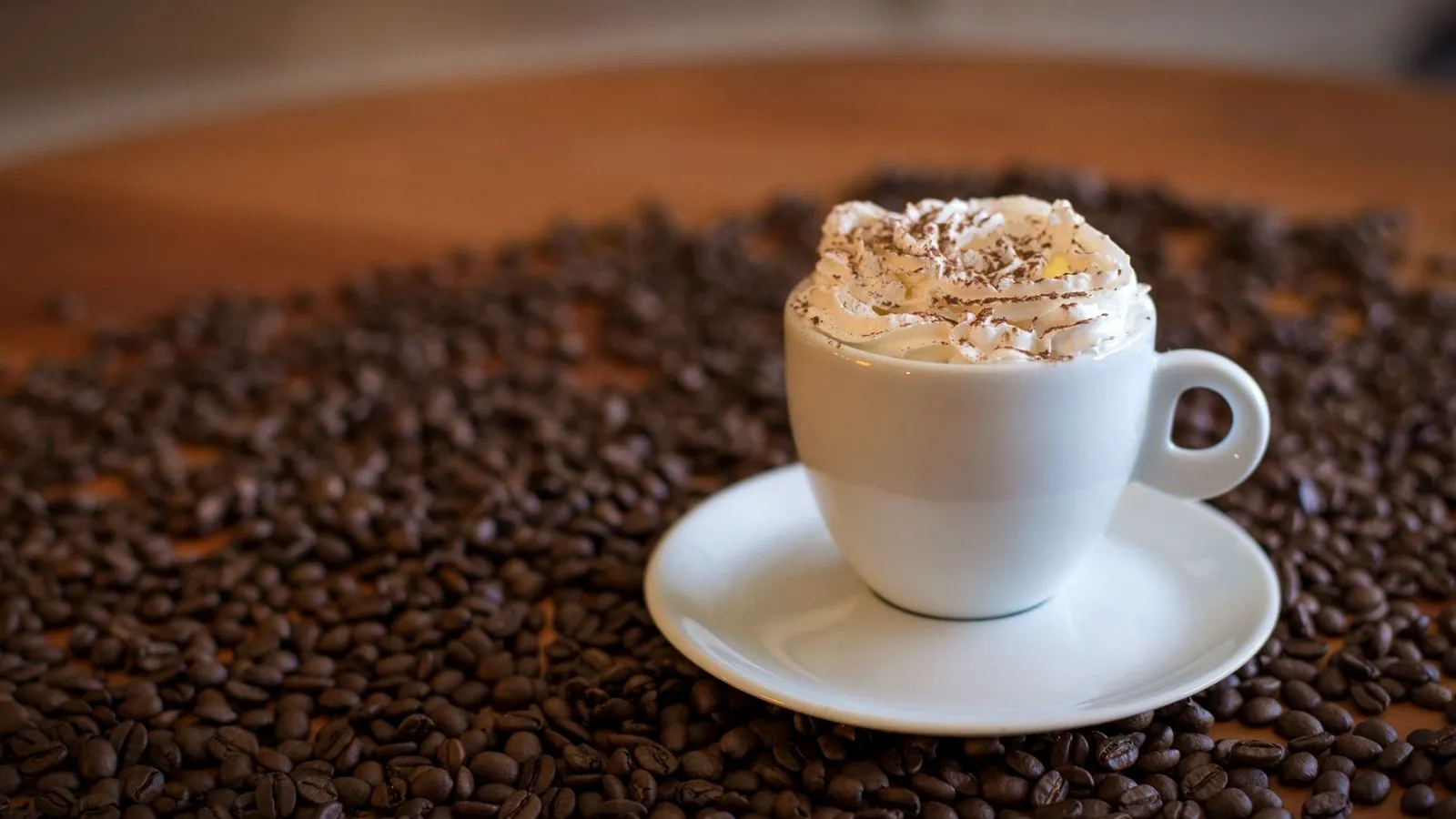
An espresso con panna is a shot of espresso topped with a spoonful of whipped cream; “con panna” means “with cream” in Italian. Starbucks describes its version as espresso with a dollop of whipped cream on top, and its home recipe uses two shots, a dollop of whipped cream and an optional drizzle of caramel.
- Pull a single or double shot into a small cup or glass.
- Add one or two spoonfuls of whipped cream on top, without stirring.
- Drink it through the cream, so each sip mixes cold cream with hot espresso.
The cream adds some calories. Starbucks lists its solo Espresso Con Panna at 30 kcal against 5 kcal for a solo espresso, so the dollop adds about 25 kcal. At home it depends on the cream: USDA figures give about 8 kcal per tablespoon of airy canned whipped cream (3 g) and about 25 kcal per tablespoon of whipped heavy cream (a cup whipped weighs 120 g).
Espresso con panna vs macchiato
The difference is the topping. A macchiato is espresso “marked” with a small dollop of steamed milk and foam, so it stays warm and light. A con panna uses cold, thick whipped cream, so it tastes richer and has a clear hot and cold contrast. For more on the macchiato and how it compares with milkier drinks, see macchiato vs latte, and for how steamed milk and foam are made, our guide to espresso with milk.
Espresso romano vs con panna vs macchiato
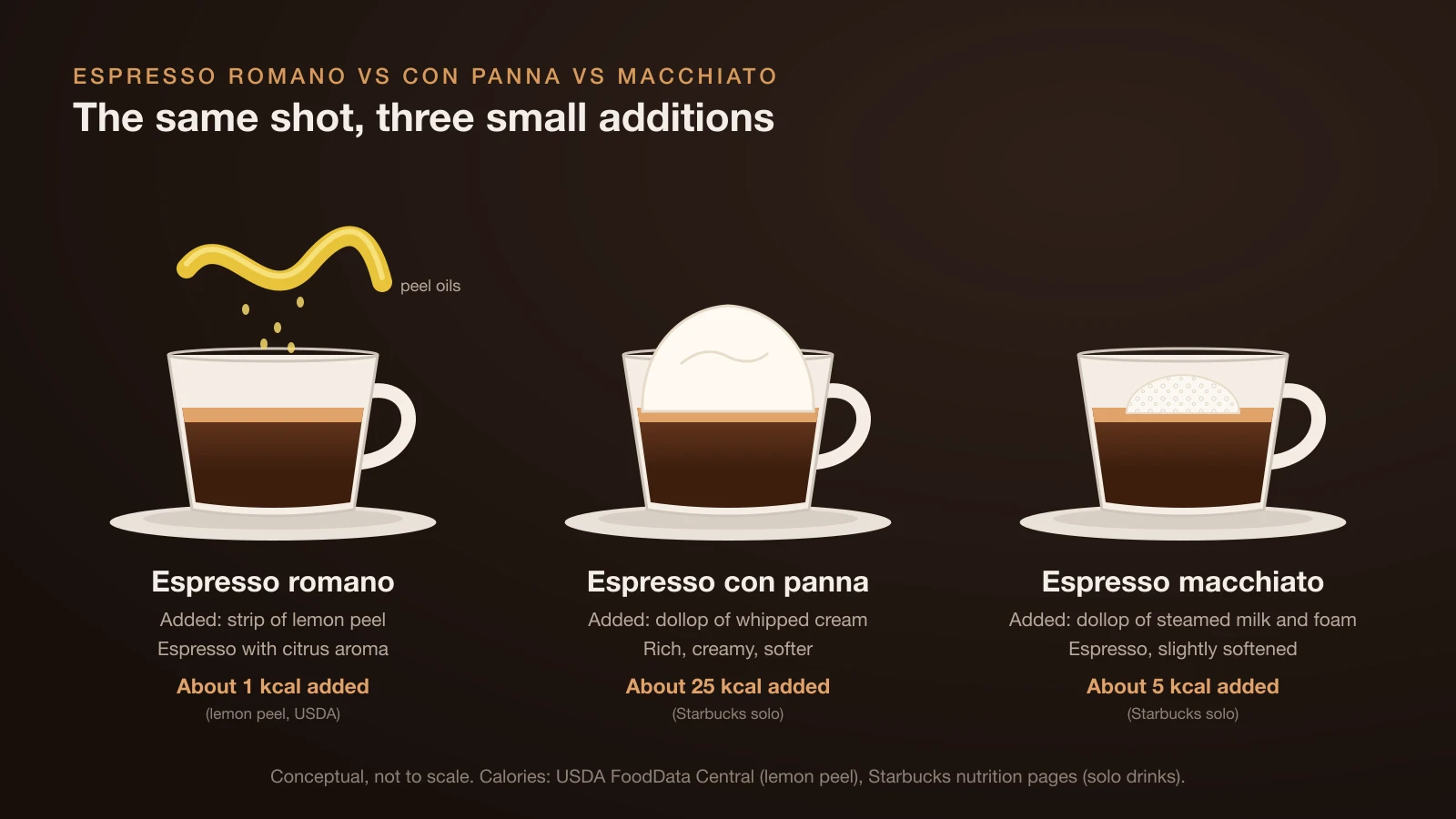
These three drinks are all a single or double espresso with one small addition, and the addition decides the taste. Here is how they compare:
| Espresso romano | Espresso con panna | Espresso macchiato | |
|---|---|---|---|
| Added to the shot | Strip of lemon peel | Dollop of whipped cream | Dollop of steamed milk and foam |
| Dairy | None | Cream | Milk |
| Temperature | Hot | Hot espresso, cold cream | Hot |
| Taste | Espresso with citrus aroma | Rich, creamy, softer | Espresso, slightly softened |
| Calories added | About 1 kcal (peel, USDA) | About 25 kcal (Starbucks solo) | About 5 kcal (Starbucks solo) |
| Best for | Tasting the espresso with a twist | A small dessert-like coffee | Taking the edge off a straight shot |
Other small espresso variations follow the same idea. An affogato pours espresso over ice cream, a shakerato shakes espresso with ice, and an espresso tonic pours it over tonic water. Each is a separate drink with its own recipe.
The bottom line
An espresso romano is simply espresso with a strip of lemon peel, twisted over the cup to add a citrus aroma. It has the caffeine and near-zero calories of the shot itself, and its origin is uncertain, with the strongest link pointing to southern Italy’s lemon country. If you want a creamy variation instead, an espresso con panna swaps the lemon for a spoonful of whipped cream.
Sources
- De’Longhi Coffee Lounge: Coffee, Italian dolce vita: Leccese and other caffè inspiration (espresso romano definition and preparation, links to Naples, Campania and Venice)
- USDA FoodData Central: Espresso, restaurant-prepared (212 mg caffeine and 9 kcal per 100 g; 1 fl oz = 29.6 g), Lemon peel, raw (47 kcal per 100 g; 1 tsp = 2 g), Sugars, granulated (1 tsp = 4.2 g), Cream topping, pressurized (257 kcal per 100 g; 1 tbsp = 3 g) and Heavy whipping cream (340 kcal per 100 g; 1 cup whipped = 120 g)
- Starbucks: Espresso Con Panna, Espresso and Espresso Macchiato (descriptions, solo calories) and Starbucks at Home Espresso Con Panna recipe (two shots, whipped cream, optional caramel)
- Istituto Espresso Italiano: Certified Italian Espresso (about 25 ml; sour and bitter tastes balanced)
- Alperth F, Pogrilz B, Schrammel A, Bucar F. Coumarins in the flavedo of Citrus limon varieties, Phytochemical Analysis, 2025 (flavedo holds essential oil, mainly limonene, in oil glands; albedo below)