An Italian made espresso machine is one whose country of origin is Italy, meaning its last substantial manufacturing step happened there. Makers such as Gaggia, La Marzocco, Rancilio, Bezzera and Lelit build machines in Italy, mostly around Milan, Brescia, Bologna and Florence. An Italian brand name alone does not guarantee Italian production.
This guide explains what the label means, how Italy’s espresso tradition shaped these machines, where the best-known makers are based and how to check a specific machine. For one Milan-based brand in depth, see our guide to Rocket espresso machines.
All company facts below come from each maker’s own website or reports. There are no prices and no rankings.
The short answer
- “Made in Italy” is a country-of-origin claim. Under customs rules, it points to where the product was last substantially transformed, even if some parts came from elsewhere.
- Many classic makers cluster in northern and central Italy, around Milan, Brescia, Bologna and Florence, with others in Treviso and the Marche.
- Italian brand does not mean Italian factory. De’Longhi’s group runs plants in several countries, Profitec is German, and ECM produces in both Germany and Italy.
- Check the model, not the brand: read the rating plate, the box and the maker’s official page.
- Choose the machine type first (lever, pump, super-automatic or stovetop), then compare makers.
What does “made in Italy” mean for an espresso machine?
When a machine is built from parts made in more than one country, customs rules decide its origin. In the European Union, the non-preferential origin of such goods is the country where they underwent their last substantial, economically justified processing. That processing must give the product properties it did not have before.
The United States uses a similar idea. U.S. Customs and Border Protection requires imported goods to be marked with the English name of their country of origin, legibly and in a conspicuous place. Its test for origin is substantial transformation: whether processing creates an article with a new name, character or use.
In practice, an espresso machine assembled and finished in Italy can qualify as Italian-made even if some components were bought in. The reverse also happens: an Italian company can make some models abroad.
The Italian espresso tradition behind the machines
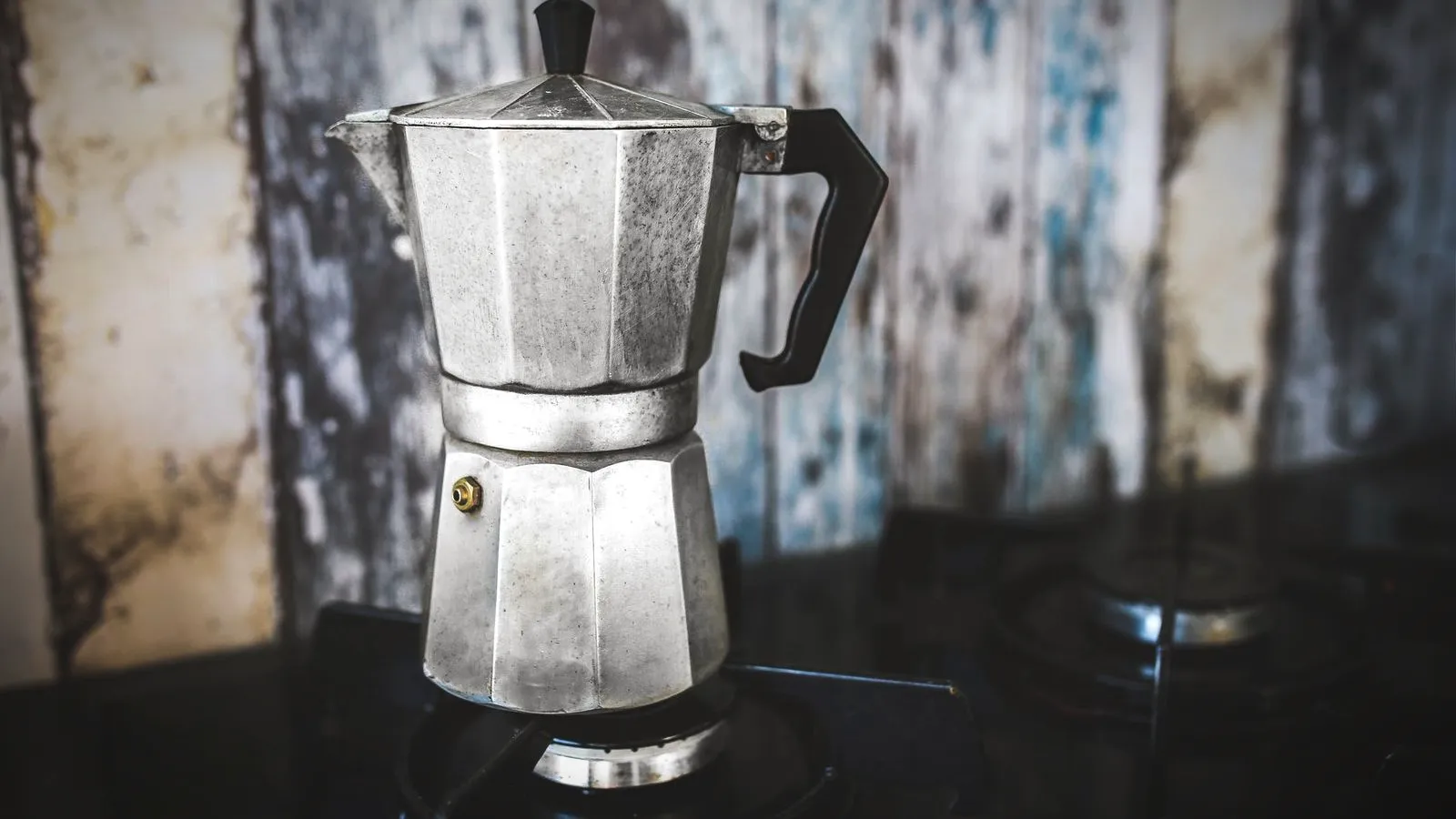
The espresso machine was developed in Italy, and the makers’ own histories trace it from an 1884 patent in Turin:
- 1884: Angelo Moriondo patents a coffee machine in Turin, which Gaggia’s history of coffee counts as the start of espresso.
- 1901: Luigi Bezzera of Milan patents his espresso machine; Bezzera cites the matching US patent 726,793 of 1902.
- 1905: Desiderio Pavoni opens a workshop in Milan, and his filter holder leads to the Ideale machine. Victoria Arduino is founded in Turin the same year.
- 1933: Alfonso Bialetti introduces the Moka Express for coffee at home.
- 1938 and 1947: Achille Gaggia patents brewing with hot water under pressure, then a lever-piston mechanism.
- 1939: Giuseppe Bambi of La Marzocco patents a machine with a horizontal boiler.
- 1961: Faema launches the E61, which Faema calls the first machine to use a volumetric pump to hold brewing pressure constant.
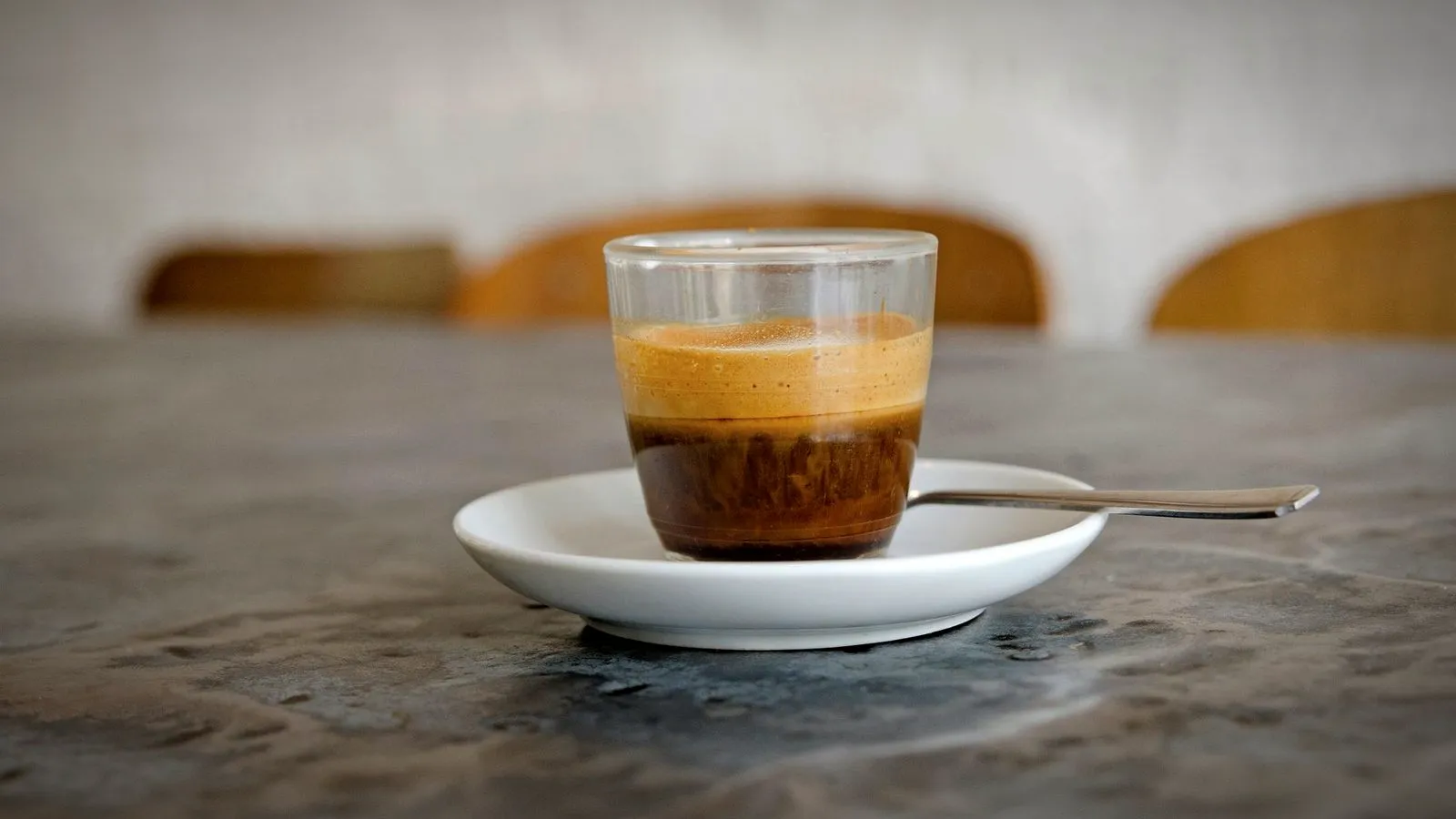
The tradition also has a standard. The Istituto Espresso Italiano (IEI), founded in 1998 and based in Brescia, defines a certified Italian espresso as about 0.85 oz (25 ml) in the cup. IEI certifies espresso machines and grinders as well as blends, and the companies listed on its site include machine makers such as Rancilio Group and Simonelli Group.
Italian espresso machine makers and where they are based
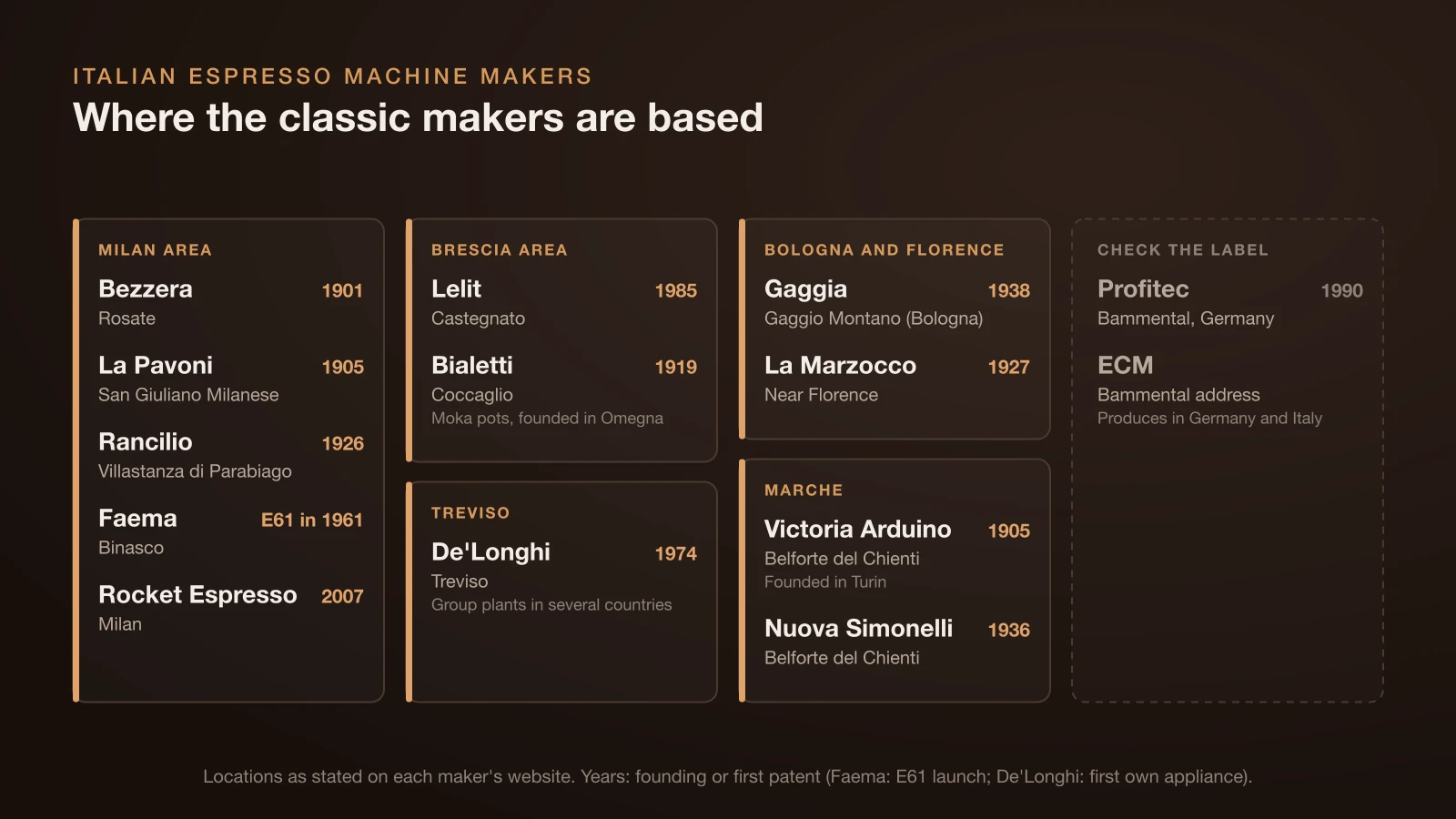
Most Italian espresso machine makers are based in the north, around Milan and Brescia, with others near Bologna, Florence and Treviso and in the Marche. “Based in” is the location each maker gives on its own website. Years are founding or first-patent dates from the makers’ histories.
| Maker | Based in | Since | What it makes | Worth knowing |
|---|---|---|---|---|
| Bezzera | Rosate (Milan) | 1901 | Home and professional machines, incl. the Strega lever | Says its production is “100% Made in Italy” |
| La Pavoni | San Giuliano Milanese (Milan) | 1905 | Lever home machines, café machines | Europiccola lever sold since 1961 |
| Victoria Arduino | Belforte del Chienti (Marche) | 1905 | Café machines and grinders | Joined Simonelli Group in 2001 |
| Rancilio | Villastanza di Parabiago (Milan) | 1926 (workshop year in its museum’s name, Officina Rancilio 1926) | Café machines, grinders, Silvia home line | Part of Ali Group; says it manufactures made-in-Italy machines |
| La Marzocco | Near Florence | 1927 | Café and home machines (Linea Micra, Linea Mini, GS3) | “Handmade in Florence”; part of De’Longhi Group since 2024 |
| Nuova Simonelli | Belforte del Chienti (Marche) | 1936 | Café machines | Renamed Nuova Simonelli in 1969 |
| Gaggia | Gaggio Montano (Bologna) | 1938 | Manual and automatic home machines | First commercial machine in 1948 |
| Faema | Binasco (Milan) | E61 in 1961 | Café machines | Still sells the E61 |
| Lelit | Castegnato (Brescia) | 1985 | Prosumer home machines and grinders | Owned by Breville Group since 2022 |
| Rocket Espresso | Milan | 2007 | Home and café pump machines | Made by hand (“fatto a mano”), per Rocket |
| De’Longhi | Treviso | First own appliance in 1974 | Home coffee machines, incl. super-automatics | Group plants in Italy, Romania, China and Switzerland |
| Bialetti | Coccaglio (Brescia); founded in Omegna | 1919 | Moka pots and stovetop brewers | Not an espresso machine |
Italian-sounding, but check the label
- Profitec is Profitec GmbH of Bammental, Germany, which says it has built espresso machines since 1990.
- ECM lists the same Bammental address and says it produces in both Germany and Italy, so origin depends on the model.
- De’Longhi reports plants in Mignagola (Treviso), Cluj and Salonta in Romania, Dongguan and OnShiu in China, and Sierre in Switzerland, without tying models to plants.
The E61 group: an Italian design on many machines
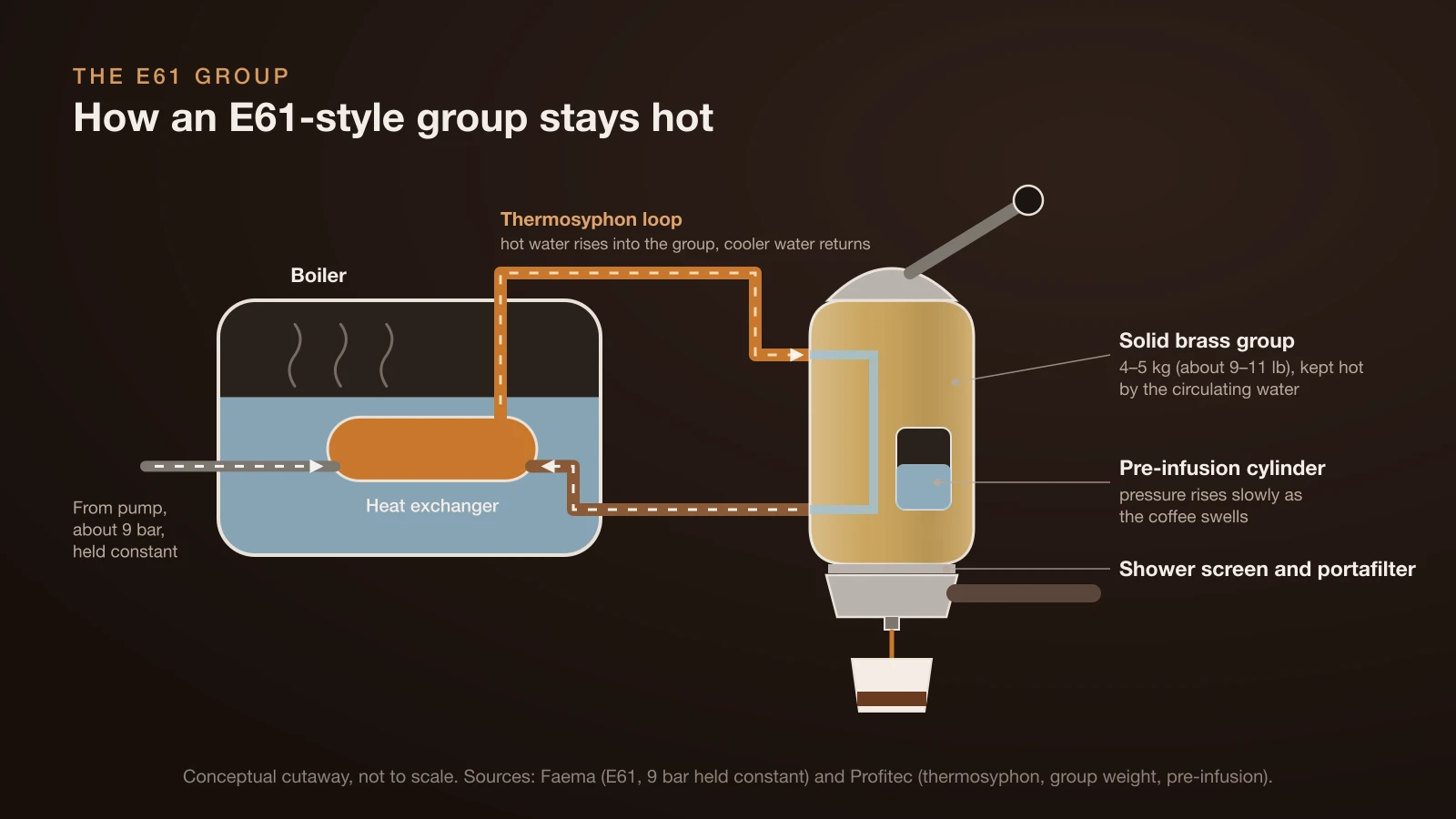
The E61 is the machine Faema introduced in 1961, and its brew group became a design that many espresso machines still use. According to Faema, it was the first machine to use a volumetric pump to give the water a pressure of 9 atmospheres, about 9 bar, and keep it constant through the whole extraction, unlike lever machines. It also added a pre-infusion system that wets the coffee before full pressure.
Profitec, a German maker, describes how the group works. A heat exchanger and a thermosyphon circulate hot water through the solid brass group, which weighs 4–5 kg (about 9–11 lb), keeping it hot. A pre-infusion cylinder in the group head lets pressure rise slowly as the coffee swells.
Faema still sells the E61 as the semi-automatic Legend and the automatic Jubilé. Many prosumer makers use E61-style groups or their own developments of it; Profitec, for example, says its current brew group is a further development of the design.
How to check if an espresso machine is really made in Italy
To check whether an espresso machine is really made in Italy, find the country of origin for that exact model on its rating plate or box, then confirm it on the maker’s own page.
- Read the rating plate. Espresso machines carry a data plate with the maker and electrical rating; on La Pavoni levers it sits under the base. Look for a country of origin there or on the box.
- Separate “designed in” from “made in.” Wording such as “Italian design” or “designed in Italy” says nothing about the factory. Flair, for example, says its products are designed in California.
- Check the maker’s own page. Bezzera, Rancilio and La Marzocco state Italian production on their websites.
- Check the model, not only the brand. Groups with several plants, such as De’Longhi, or makers that produce in two countries, such as ECM, can differ by model.
- Look for IEI certification if you want equipment tested against the Italian espresso standard. IEI certifies machines and grinders as “IEI Qualified Product.”
Choosing an Italian-made espresso machine by type
Origin matters less than getting the right kind of machine. Start with how you want to make coffee:
- Lever machines (La Pavoni, Bezzera Strega): hand-powered brewing with built-in pre-infusion. See our guide to lever espresso machines, and for presses and portable options, manual espresso machines.
- Semi-automatic pump machines (Rocket, Lelit, Rancilio Silvia, Gaggia Classic Pro): the classic home barista setup, with a separate grinder.
- Super-automatic machines (De’Longhi, Gaggia): grind, dose and brew at the push of a button. Read super-automatic espresso machines before buying.
- Café machines (La Marzocco, Nuova Simonelli, Victoria Arduino, Faema, Rancilio): see our guide to commercial espresso machines.
- Stovetop moka pots (Bialetti): strong coffee at low pressure, not true espresso. Learn how to use a moka pot.
The bottom line
An Italian made espresso machine is one whose final, substantial manufacturing happened in Italy, and many historic makers are still based around Milan, Brescia, Bologna, Florence and the Marche. Treat the brand as a starting point, not proof: read the rating plate, the box and the maker’s own page for the model you want. Then choose by machine type, because a lever, a pump machine and a super-automatic suit very different routines.
Sources
- Istituto Espresso Italiano: About us, Certification, Certified Italian Espresso and Companies and brands
- Faema: E61 Legend and Jubilé brochure, with Profitec: About us (E61 group, company base)
- Makers around Milan and Brescia: Bezzera, La Pavoni history and Europiccola, Rancilio Group and made in Italy, Rocket Espresso, Breville Group on Lelit, Bialetti history, ECM
- Other makers: Gaggia history and history of coffee, La Marzocco heritage and La Marzocco USA, Nuova Simonelli, Victoria Arduino, De’Longhi history and 2023 non-financial statement
- Origin rules: European Commission, non-preferential origin and U.S. CBP, country of origin marking