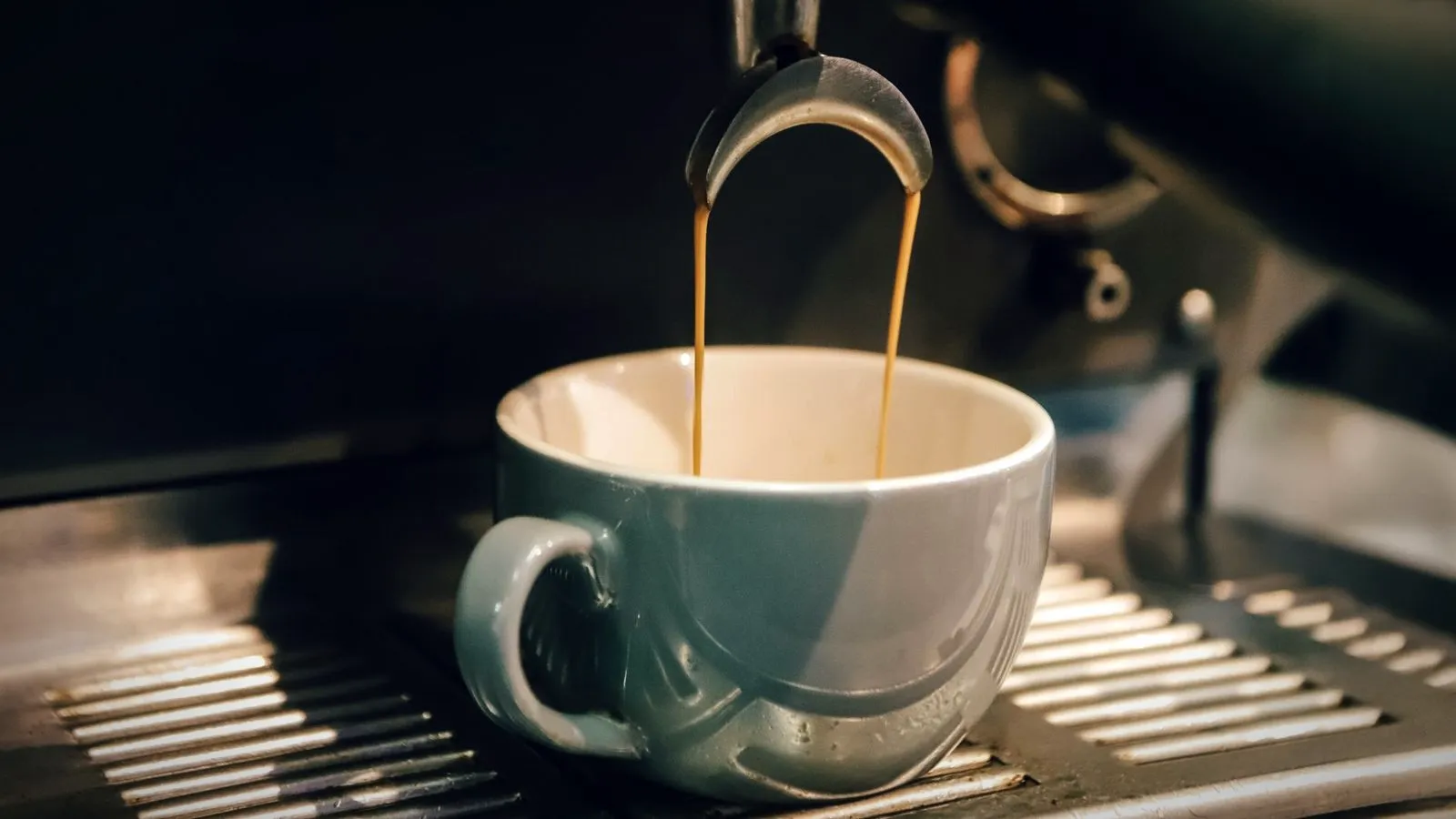

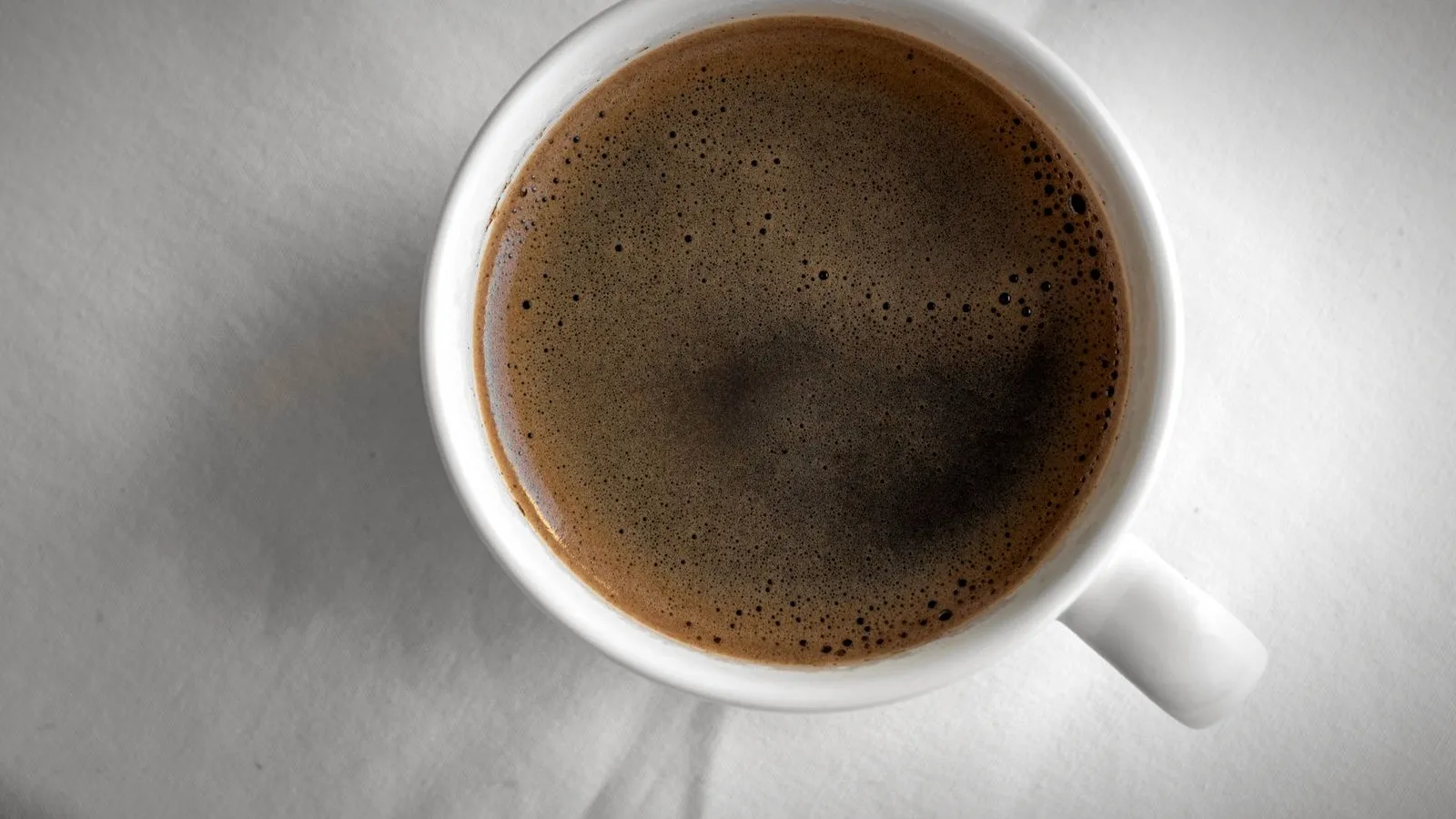
An Americano, or caffè Americano, is an espresso drink made by adding hot water to one or more shots of espresso. The water stretches a 1–2 oz (30–60 ml) shot into a mug-sized drink that is milder than straight espresso but bolder than most drip coffee. It is black, has no milk by default and is nearly calorie-free.
Its caffeine comes only from the shots, about 63 mg each on USDA averages, so a bigger cup is not a stronger one. For a direct look at the drink next to the shot it is built on, see Americano vs espresso.
The short answer
| Americano (caffè Americano) | |
|---|---|
| What it is | Espresso topped up with hot water |
| Espresso | 1–4 shots; Starbucks uses 1 in a Short and 4 in a Venti |
| Water | About 2–5 parts water to 1 part espresso in published recipes |
| Milk | None by default |
| Size | 8–20 fl oz at Starbucks, Short to Venti |
| Caffeine | About 63 mg per shot (USDA); Starbucks Grande: 225 mg |
| Calories | About 3 kcal per shot; Starbucks: 5–15 kcal |
| Taste | Lighter than espresso, bolder than drip, with a thin crema |
| Name | Italian for “American coffee” (caffè americano) |
Starbucks figures are its published values as of October 2026. Cafés vary the shot count and the amount of water, so read the ranges as typical.
What is an Americano?
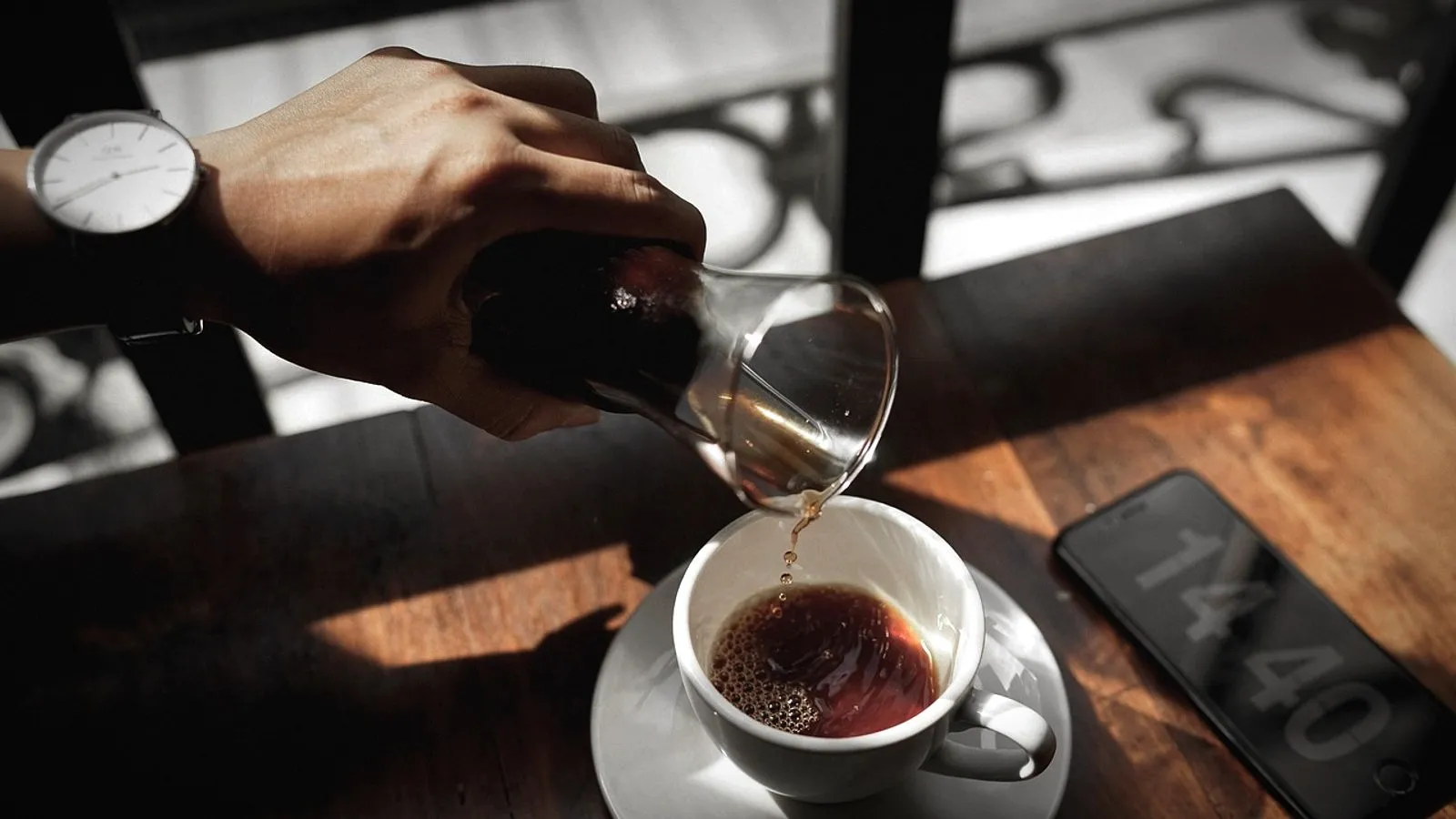
An Americano is espresso diluted with hot water, and those two ingredients are the whole recipe. Starbucks lists only water and brewed espresso in its Caffè Americano and describes it as espresso shots topped with hot water that create a light layer of crema. De’Longhi defines it the same way: a shot or two of espresso topped up with hot water.
The water goes in after brewing, so it dilutes the shot without extracting anything more from the coffee. That keeps the espresso’s roasted flavor and body while turning a few sips into a drink you can nurse for a while.
The same name means something else at a bar. The Americano cocktail is a mix of Campari, sweet red vermouth and soda water, according to the International Bartenders Association, and contains no coffee at all.
Why is it called an Americano?
An Americano is called that because it is an Italian take on American-style coffee, and caffè americano simply means “American coffee.” Starbucks describes the drink as an Italian interpretation of “American coffee” that swaps out milk for hot water.
The story told most often, and repeated by De’Longhi, is that American soldiers in Italy during World War II found espresso too strong and diluted it with hot water to get something closer to the coffee they drank at home. It is a widely repeated account rather than documented history, and De’Longhi’s own FAQ even tells a different version set in America, so treat it as coffee lore. What is certain is the result: an espresso drink built to the size of a mug of filter coffee.
How many shots and how much water are in an Americano?
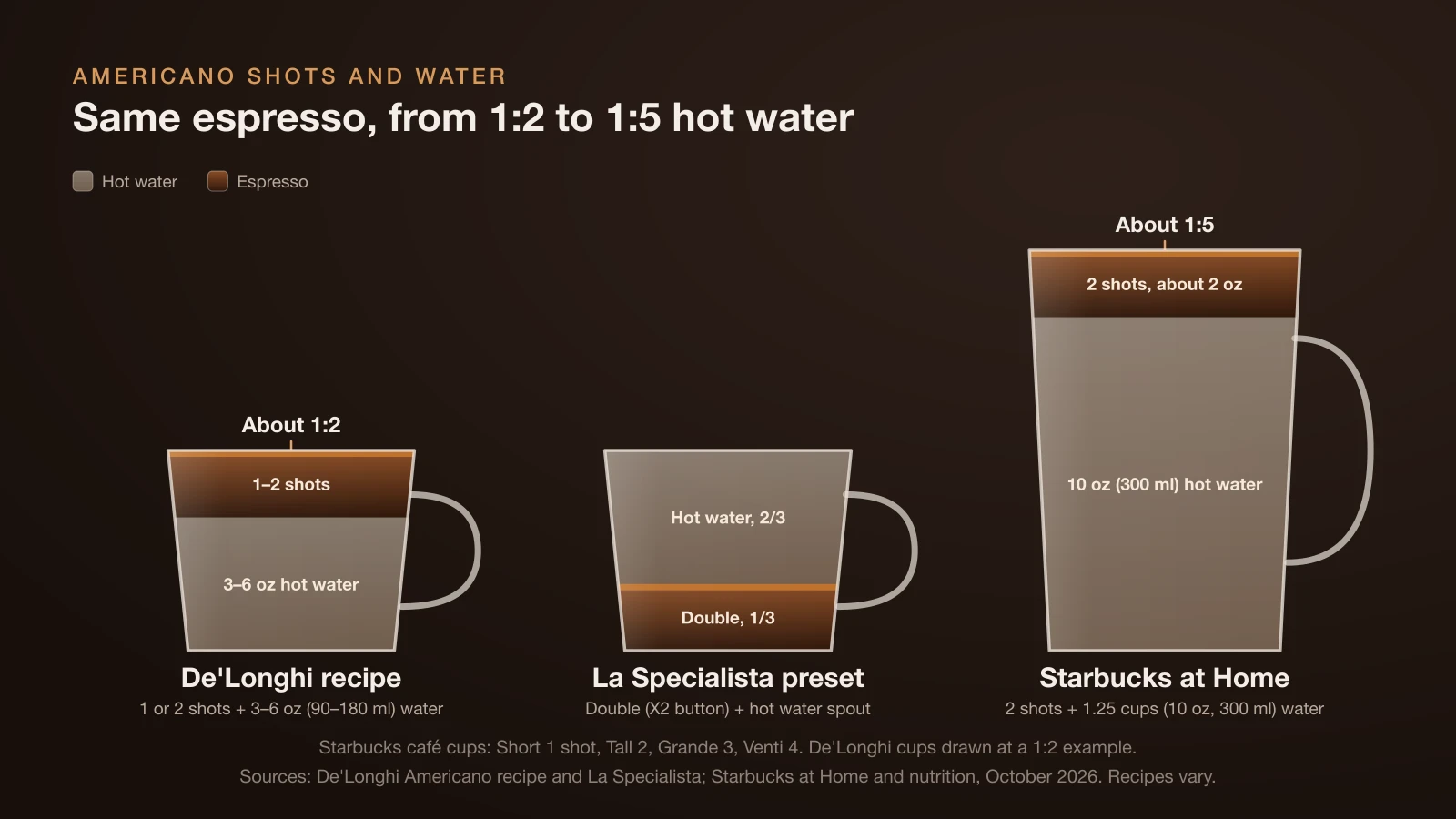
An Americano usually has one to four shots of espresso, and published recipes use roughly two to five parts hot water for each part espresso. Cafés add shots as the cup gets bigger. Starbucks publishes its counts:
| Starbucks Caffè Americano | Espresso shots | Caffeine | Calories |
|---|---|---|---|
| Short (8 fl oz) | 1 | 75 mg | 5 kcal |
| Tall (12 fl oz) | 2 | 150 mg | 10 kcal |
| Grande (16 fl oz) | 3 | 225 mg | 15 kcal |
| Venti (20 fl oz) | 4 | 300 mg | 15 kcal |
Home recipes from the makers show how wide the water range is:
| Recipe | Espresso | Hot water | Espresso to water |
|---|---|---|---|
| De’Longhi Americano recipe | 1 or 2 shots | 3–6 oz (90–180 ml) | About 1:2 |
| De’Longhi La Specialista preset | A double, using the X2 button | Added from the hot water spout | One third espresso, two thirds water |
| Starbucks at Home | 2 shots, about 2 oz (60 ml) | 1.25 cups, 10 oz (300 ml) | About 1:5 |
A 1:2 cup tastes bold and close to a long shot; a 1:5 cup tastes much like a strong mug of coffee. Both De’Longhi’s recipe and Starbucks’ home recipe pour the espresso onto the water to keep more crema. Many café Americanos are built on a doppio, a double shot, and the full home method is in our Americano vs espresso guide.
How much caffeine is in an Americano?
An Americano has about 63 mg of caffeine per shot of espresso, and the hot water adds none. USDA FoodData Central lists espresso at 212 mg of caffeine per 100 g, so a single-shot Americano has about 63 mg, a double about 126 mg and a triple about 189 mg.
Starbucks counts about 75 mg per shot, giving 75 mg in a Short and 300 mg in a Venti. Size changes caffeine only because bigger cups get more shots: a 6 oz and a 12 oz Americano made with the same two shots carry the same caffeine. Our guide to caffeine in a shot of espresso explains why real shots vary.
Next to brewed coffee, a two-shot Americano beats an 8 oz cup, which USDA puts at about 95 mg. At Starbucks, though, the brewed Pike Place Roast has more caffeine at every size, 315 mg against 225 mg in a Grande; our Americano vs coffee comparison breaks that down. The FDA cites 400 mg a day as an amount not generally linked to negative effects in healthy adults, as general context only.
How many calories are in an Americano?
A plain Americano has almost no calories, about 3 kcal per shot, because USDA lists espresso at 9 kcal per 100 g and water adds nothing. Starbucks lists 5 kcal for a Short, 10 for a Tall and 15 for a Grande or Venti.
What you add changes the total far more than the size does. These USDA-based figures are estimates for common add-ins:
- Splash of whole milk: about 9 kcal per tablespoon (15 g), or close to 19 kcal per ounce.
- Sugar: about 16 kcal per teaspoon (4.2 g).
- Both together: a 16 oz Americano with a tablespoon of whole milk and a teaspoon of sugar stays around 40 kcal (Starbucks’ 15 kcal Grande plus about 9 and 16 kcal), by our arithmetic.
What does an Americano taste like?
An Americano tastes like espresso stretched out: the same roasted flavors at a lower intensity, with a lighter body and a thin layer of crema. De’Longhi describes it as lighter than espresso but more aromatic than regular drip coffee, with a smoother taste than a straight shot.
The beans shape the cup more than the water does. Medium and dark roasts tend to give a chocolatey, roasty Americano, while light roasts taste brighter and more acidic. Water softens a shot’s intensity but not its character, so a sour or harsh espresso makes a milder version of the same sour or harsh Americano.
The crema is thinner than on a straight shot, because hot water poured on top breaks much of it up. Starbucks’ home recipe pours the espresso onto the water for exactly that reason. Our guide to espresso crema explains what that foam is and why it fades.
Does an Americano have milk?
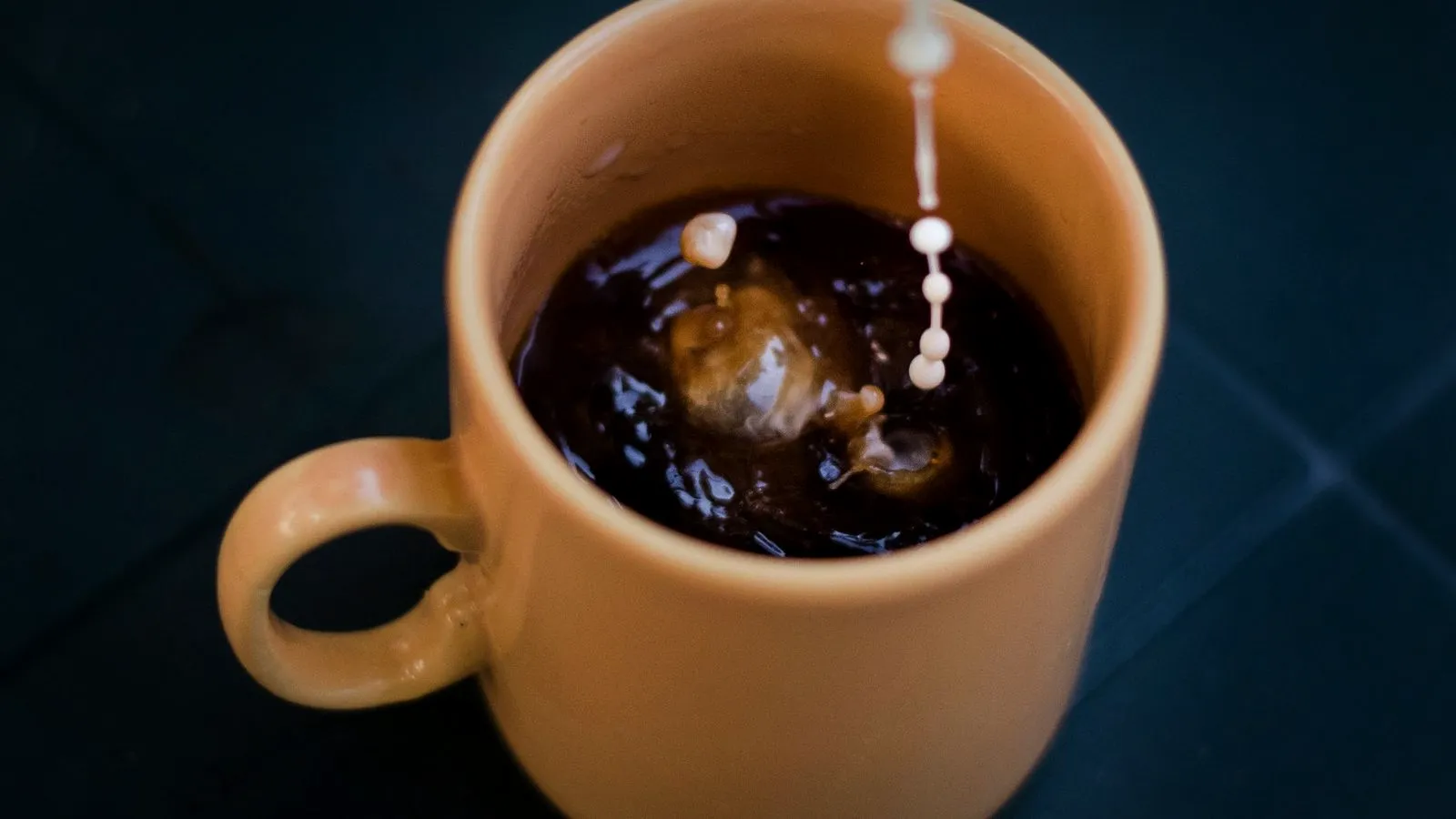
No, a standard Americano has no milk; it is only espresso and hot water. De’Longhi notes that the drink is usually black but can also be enjoyed with milk or a sweetener, and Starbucks’ ordering menu lets you ask for “room” and a splash of dairy milk, cream or plant milk in its Caffè Americano.
Menus do not share one name for an Americano with milk, so the clearest order is simply “an Americano with a splash of milk.” Breville’s machine manual describes a close relative: a macchiato served long, as a long black (espresso over hot water) finished with a dash of milk or a dollop of textured milk.
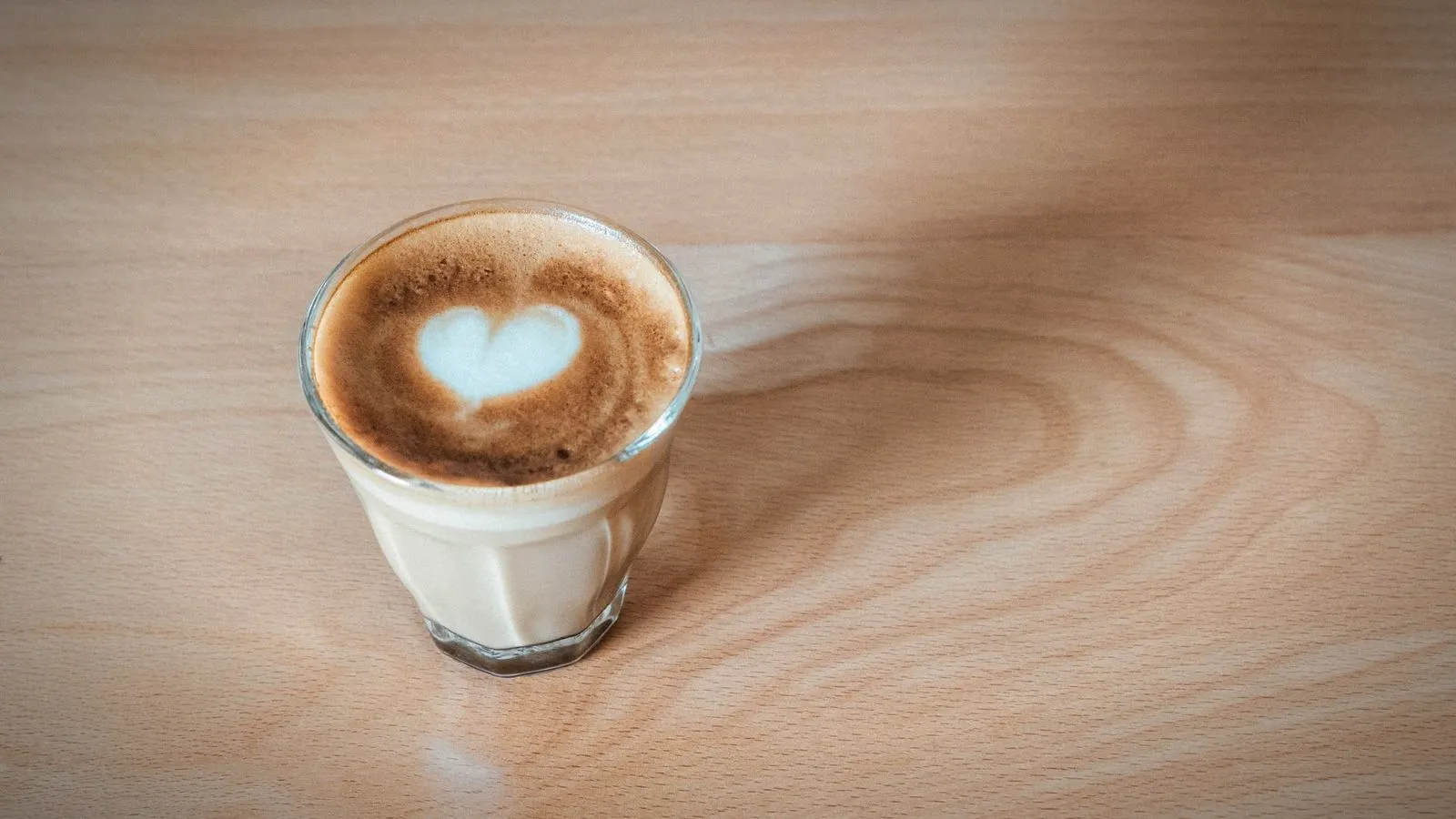
Once steamed milk replaces most of the water, the drink becomes a different one. For small, strong milk drinks, see our explainer on what a cortado is.
How an Americano compares with other coffee drinks
An Americano sits between espresso and drip coffee: it is espresso-based like a latte, but black and long like a mug of filter coffee. The table puts it next to the drinks it is most often compared with:
| Drink | How it is made | Typical size | Next to an Americano |
|---|---|---|---|
| Espresso | The shot alone | 1–2 oz (30–60 ml) | Same caffeine per shot, far more concentrated |
| Drip coffee | Hot water through medium grounds by gravity | 8 oz and up | Lighter and cleaner; more caffeine per cup at Starbucks |
| Long black | Hot water first, espresso on top | 120–180 ml (4–6 oz) of water plus the shot | Stronger, with more crema |
| Lungo | A longer shot at a 1:3 to 1:4 brew ratio | About 2 oz | Smaller and more bitter; the extra water runs through the coffee |
| Red eye | Brewed coffee with a shot of espresso added | A mug | More caffeine, drip-coffee taste |
| Iced Americano | Espresso and cold water over ice | 12–24 fl oz at Starbucks | The same drink, served cold |
Each pair has its own guide. Americano vs espresso covers the long black and the lungo, Americano vs coffee compares it with drip, the red eye is explained in coffee with a shot of espresso, and our iced Americano recipe covers the cold version.
Espresso machines with an Americano button
Some fully automatic (super-automatic) espresso machines have an Americano setting that brews the espresso and adds the hot water for you. De’Longhi’s Magnifica Evo, for example, lists Americano among its one-touch hot drinks next to espresso and coffee, and the brand says its La Specialista manual machines have an Americano preset of one third espresso and two thirds hot water.
On a machine without that setting, pull the shot and add water from the hot water outlet or a kettle. Our guide to super-automatic espresso machines explains how these all-in-one machines grind, brew and dispense at the touch of a button.
The bottom line
An Americano is espresso topped up with hot water: black, nearly calorie-free and milder than a straight shot, with exactly the caffeine of its shots, about 63 mg each. Recipes run from about 1 part espresso to 2 parts water for a bold cup to 1 to 5 for a mug-sized one. The name is Italian for “American coffee,” and the World War II origin story is tradition, not record.
Sources
- Starbucks, as of October 2026: Caffè Americano and Iced Caffè Americano (description, ingredients, shots, caffeine, calories, room and milk add-ins), Pike Place Roast (315 mg in a Grande) and Starbucks at Home, Caffè Americano recipe (“an Italian interpretation of American coffee”; 2 shots, 1.25 cups hot water, espresso poured onto the water to protect the crema)
- USDA FoodData Central: Coffee, brewed, espresso, restaurant-prepared (212 mg caffeine and 9 kcal per 100 g; 1 fl oz = 29.6 g), Coffee, brewed (about 95 mg per 8 oz), Milk, whole (61 kcal per 100 g; 1 tbsp = 15 g) and Sugars, granulated (387 kcal per 100 g; 1 tsp = 4.2 g); U.S. Food and Drug Administration: Spilling the Beans (400 mg a day)
- De’Longhi: How to make an Americano coffee (1 or 2 shots, 3–6 oz of water, about 1:2, World War II story, taste, usually black but can take milk), How do I make an Americano?, La Specialista Americano FAQ (preset, one third espresso, two thirds water) and Magnifica Evo ECAM29043SB (Americano among the one-touch hot drinks)
- Breville: Barista Express BES875 instruction book (long black over 120–180 ml of hot water; macchiato also served long, with a dash of milk or a dollop of textured milk)
- Other references: La Marzocco, Using espresso brew ratios (lungo 1:3 to 1:4) and International Bartenders Association, Americano (Campari, sweet red vermouth, soda water)