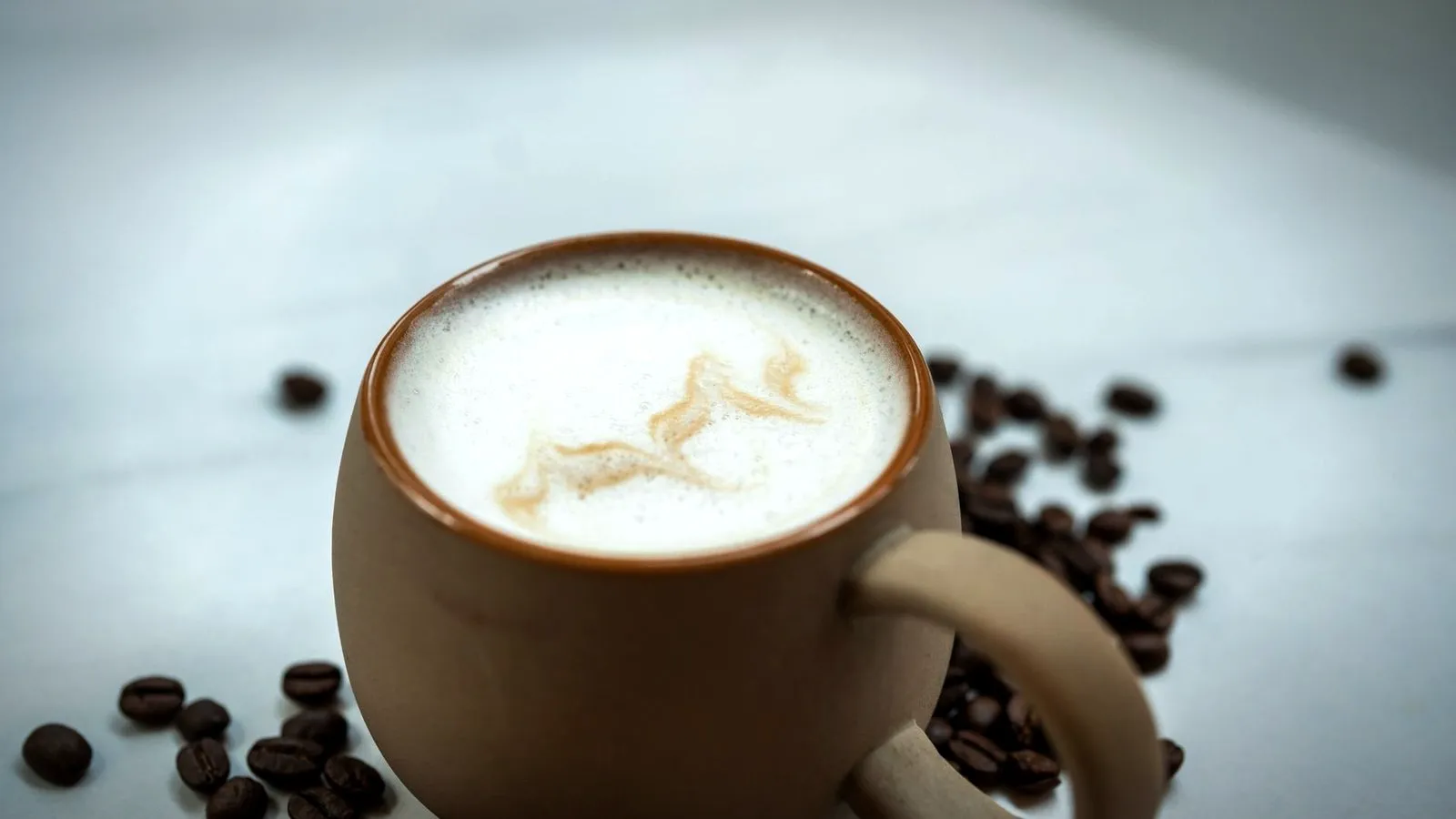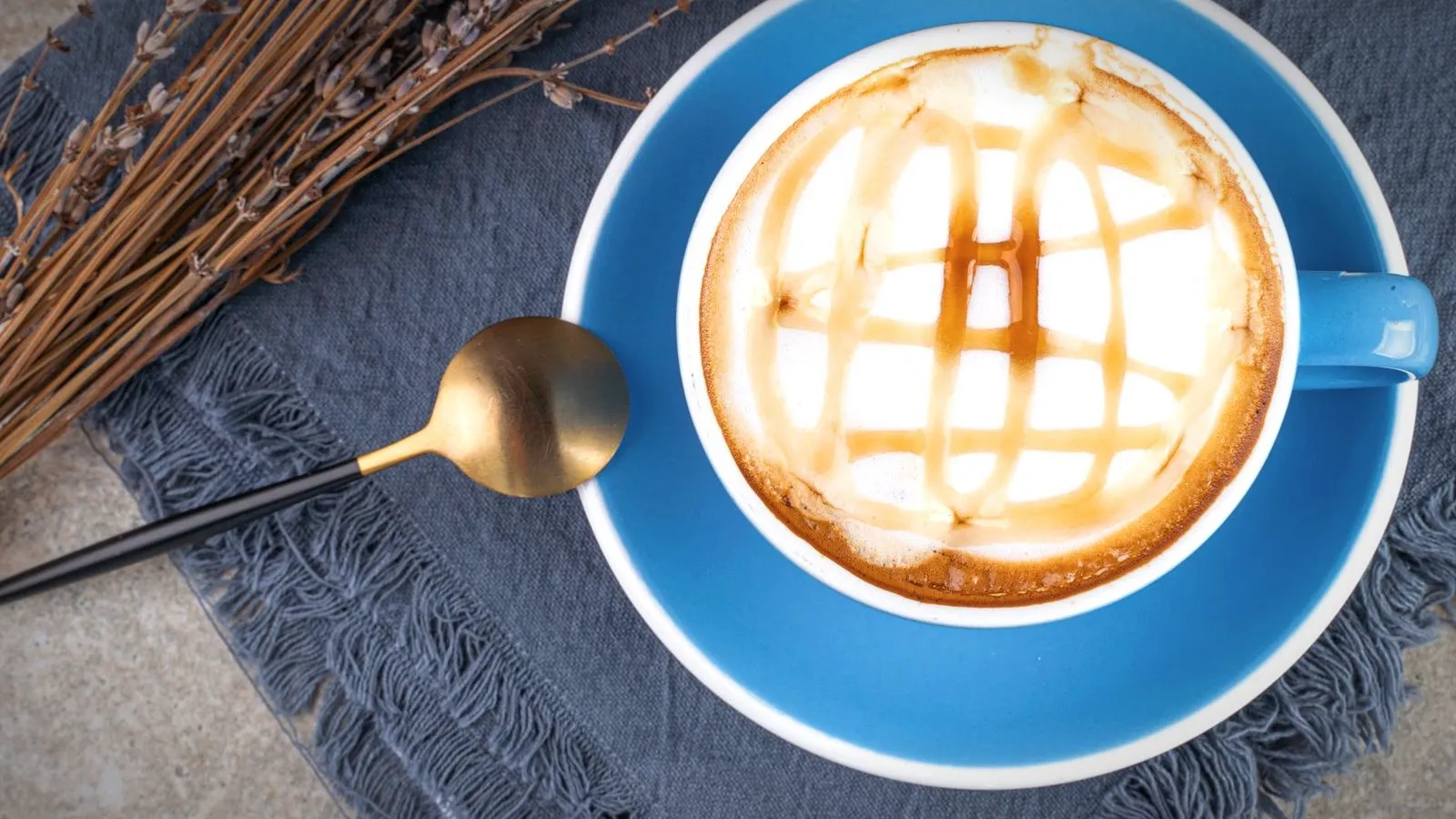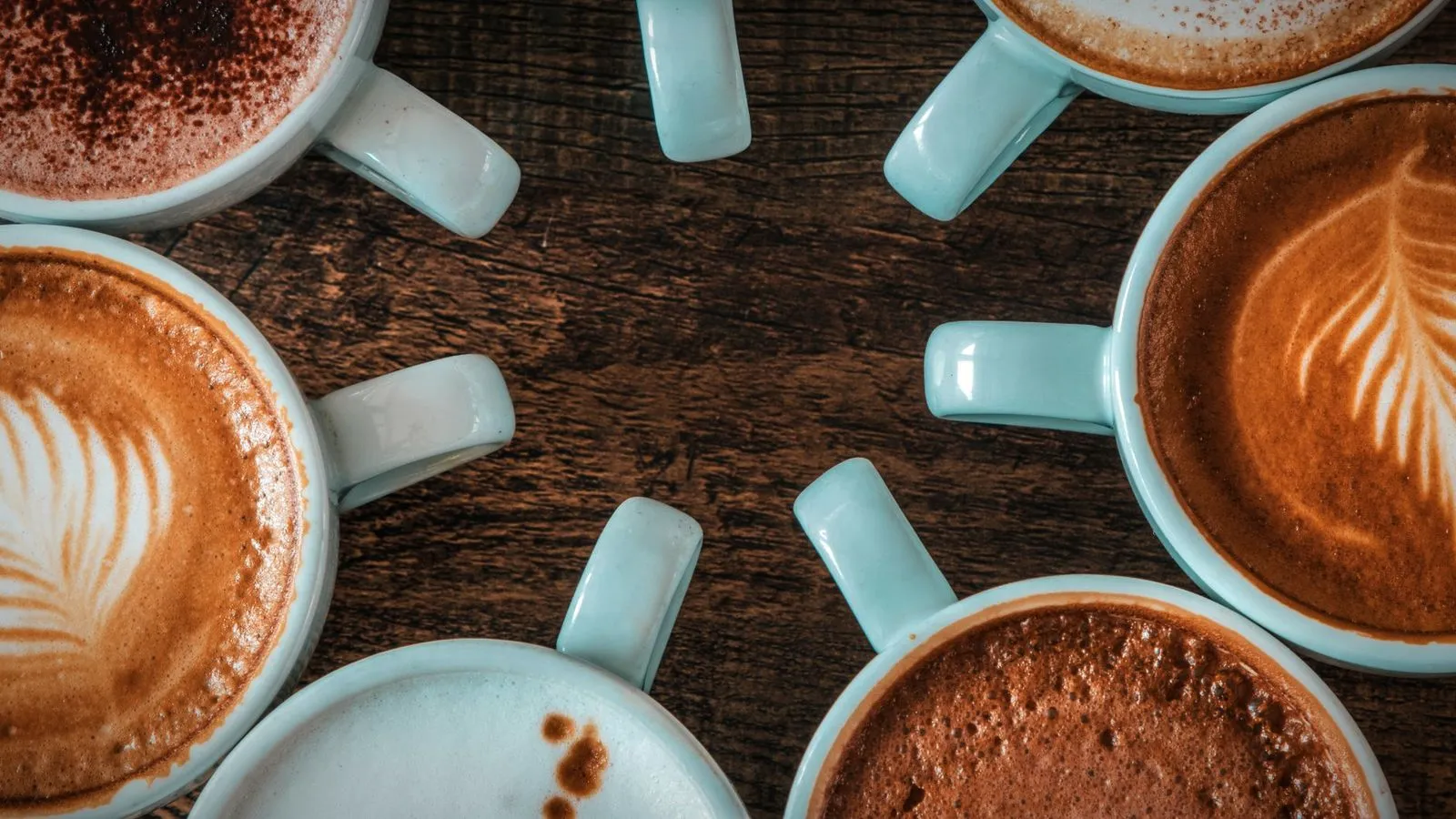
The classic latte flavors are vanilla, caramel, hazelnut and chocolate (mocha), followed by warm spices like cinnamon, pumpkin spice and chai. Most are a syrup or sauce stirred into the espresso before the steamed milk goes in. Types of lattes also change with the milk, the temperature or the base, such as an iced, oat milk or matcha latte.
The word itself explains the drink: Breville notes that “latte” means milk in Italian, so a latte is mostly steamed milk with espresso, which makes it an easy base for flavor. If you have never made the plain version, start with our guide on how to make a latte, then come back for the flavors.
This guide groups latte flavors into families, lists the main types of lattes, gives syrup amounts from official recipes and shows how much each flavor adds in calories.
The short answer
| Flavor family | Examples | What it tastes like | Our recipe guide |
|---|---|---|---|
| Classic syrups | Vanilla, caramel, hazelnut | Sweet, familiar, easy to pair | Hazelnut latte |
| Chocolate | Mocha, white chocolate | Rich, dessert-like | Mocha vs latte |
| Warm spices | Cinnamon, pumpkin spice, chai spices | Warming, aromatic, less sugary if made with whole spices | Dirty chai latte |
| Nut and specialty | Pistachio, pecan, toasted coconut | Toasty, buttery | |
| Floral and tea | Lavender, Earl Grey, matcha | Light, fragrant | |
| Sweet milk | Sweetened condensed milk | Creamy, caramel-like | Spanish latte |
Any of these works hot or iced, and with dairy or plant milk.
Classic latte flavors: syrups and chocolate
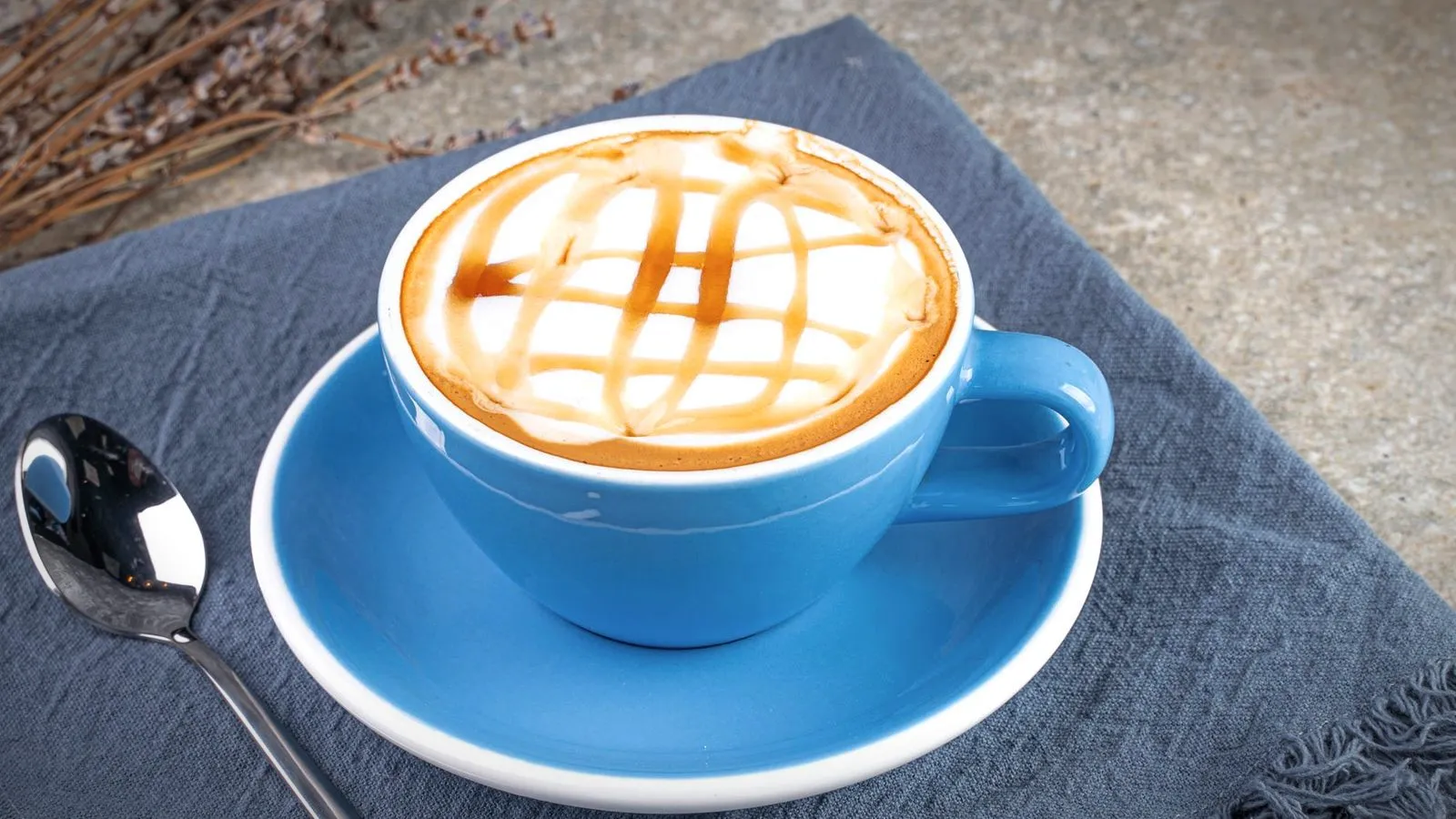
The classic latte flavors are vanilla, caramel, hazelnut and chocolate, and each one sweetens the milk without hiding the espresso. After Starbucks stopped making its retail syrups in 2022, its homemade syrup page featured recipes for simple, vanilla, caramel and hazelnut syrup.
- Vanilla: the most neutral flavor. It rounds out the espresso and suits every milk. Starbucks’ Blonde Vanilla Latte pairs it with a lighter roast. Our vanilla latte recipe has the amounts for home.
- Caramel: deeper and toastier than vanilla. A caramel syrup is made by cooking sugar until it colors, then loosening it with water.
- Hazelnut: nutty and sweet, a natural match for medium and dark roasts. Our hazelnut latte recipe covers syrup, homemade syrup and spread versions.
- Chocolate (mocha): a latte with chocolate sauce or cocoa, usually topped with whipped cream at cafés. White chocolate sauce makes a sweeter, milder version.
Syrups mix in easily. Sauces such as chocolate and white chocolate are thicker, so they dissolve best when stirred into hot espresso first.
Spiced latte flavors: cinnamon, pumpkin spice and chai
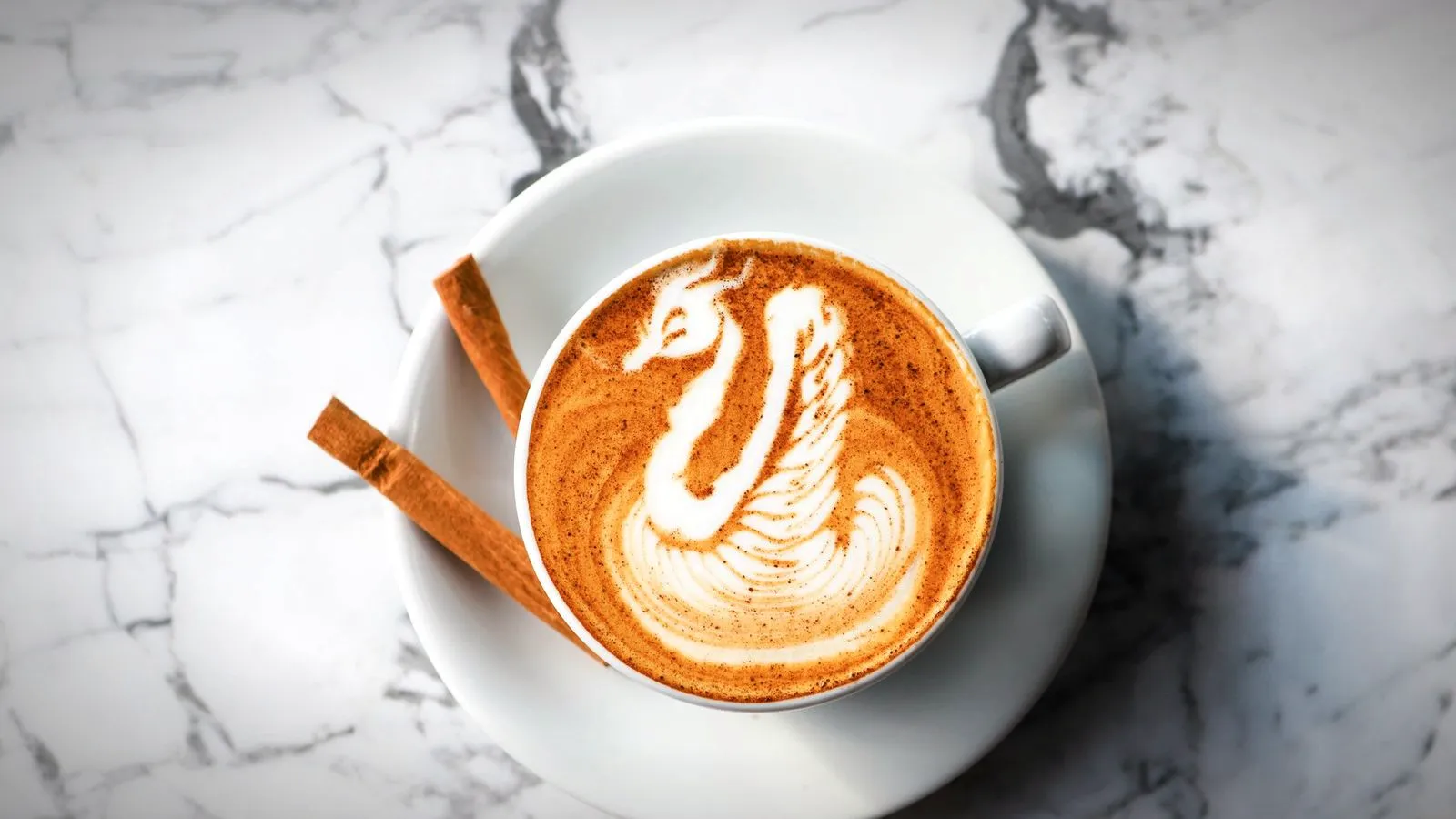
Spiced lattes add warming spices, either as a syrup, a sauce or a powder dusted on top. They are the most flexible family, because you can control the sweetness separately from the spice.
- Cinnamon: the simplest spice latte. Starbucks’ Cinnamon Dolce Latte uses a cinnamon dolce syrup, then adds whipped cream and a cinnamon topping; its home version of the syrup is made with cane sugar, brown sugar and cinnamon sticks.
- Pumpkin spice: Starbucks describes its Pumpkin Spice Latte as espresso and steamed milk with the flavors of pumpkin, cinnamon, nutmeg and clove, topped with whipped cream and pumpkin pie spices.
- Chai spices: a chai latte is black tea infused with cinnamon, clove and other warming spices, mixed with steamed milk. Add a shot of espresso and it becomes a dirty chai latte.
- Cardamom, ginger or nutmeg: a pinch stirred into the espresso gives aroma with no added sugar.
Ground spices do not dissolve, so a little sediment at the bottom of the cup is normal. A spiced syrup avoids that.
Nut, floral and seasonal latte flavors
Nut, floral and seasonal latte flavors are where café menus experiment, and most of them are simply a flavored syrup or sauce in a regular latte. Recent Starbucks menus show the range:
- Nut: pistachio (a pistachio sauce with a brown butter topping) and pecan (a pecan syrup with holiday baking spices).
- Coconut: a toasted coconut syrup in a classic 2% milk latte.
- Floral: lavender, which Starbucks adds as a sweet powder to a latte made with its lighter Blonde espresso.
Seasonal drinks come and go, so treat these as ideas rather than a fixed list. At home, a nut or floral syrup follows the same method as vanilla: stir it into the shot, then add the milk.
Types of lattes: by milk, temperature and base
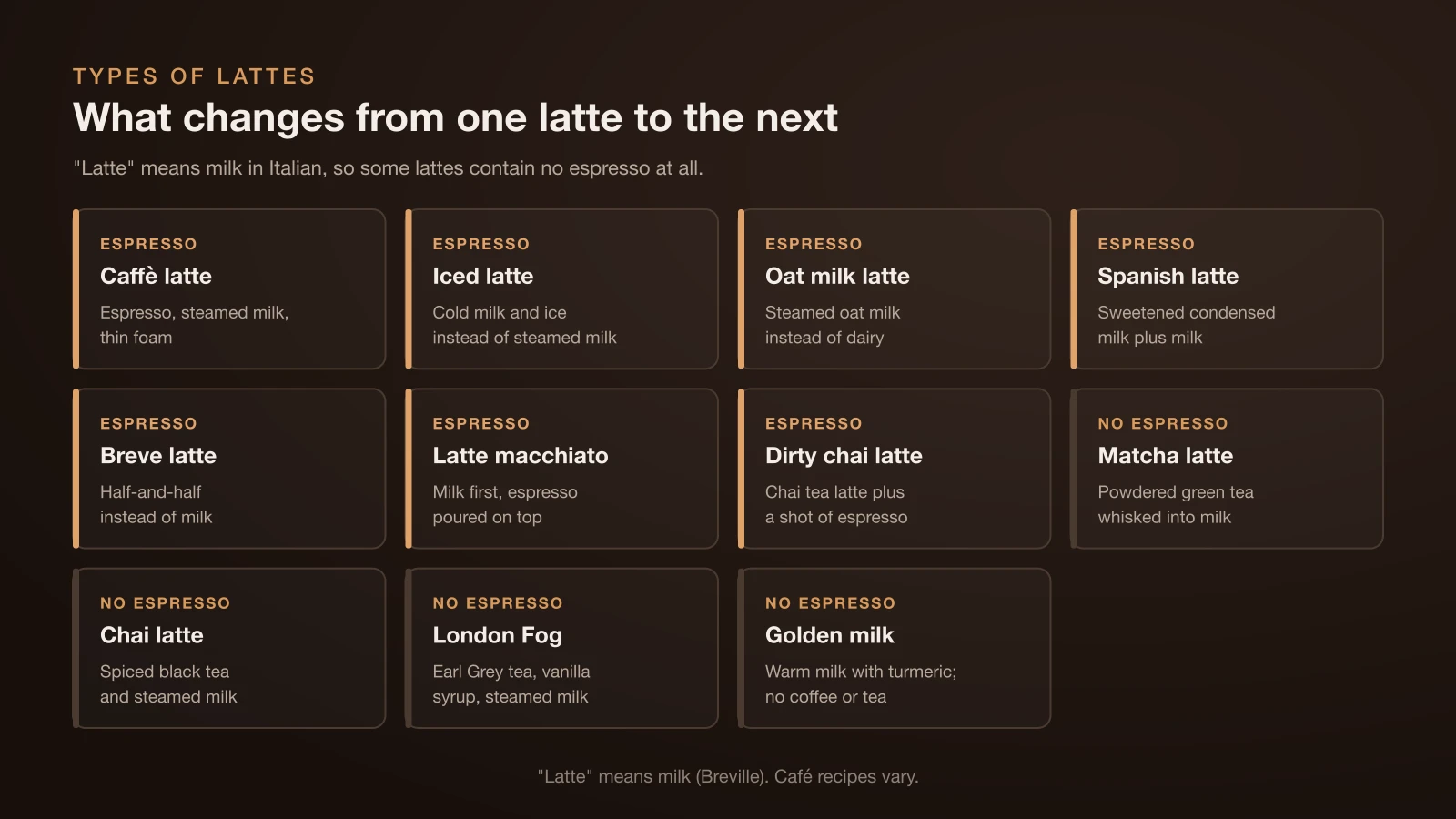
Types of lattes differ in four ways: the flavor, the milk, the temperature and the base. The table below covers the main ones beyond flavor.
| Type of latte | What changes | Espresso? | Learn more |
|---|---|---|---|
| Caffè latte | The original: espresso, steamed milk, thin foam | Yes | How to make a latte |
| Iced latte | Cold milk and ice instead of steamed milk | Yes | Latte milk ratio |
| Oat milk latte | Steamed oat milk instead of dairy | Yes | Oat milk latte |
| Spanish latte | Sweetened condensed milk plus milk | Yes | Spanish latte |
| Breve latte | Half-and-half instead of milk (a Starbucks milk option) | Yes | |
| Latte macchiato | Milk first, espresso poured on top in layers | Yes | Macchiato vs latte |
| Dirty chai latte | Chai tea latte plus a shot of espresso | Yes | Dirty chai latte |
Milk changes both taste and texture. Whole milk tastes sweeter and rounder, skim foams easily but feels thin, and barista-style oat milk steams well and adds a light cereal sweetness.
Lattes that are not espresso drinks
Several popular “lattes” contain no coffee at all, because the name here only means a drink made with steamed milk:
- Matcha latte: powdered green tea whisked into milk. Starbucks makes it with matcha, milk and classic syrup.
- Chai latte: spiced black tea and steamed milk, with no espresso unless you add a shot.
- London Fog: Earl Grey tea with vanilla syrup and steamed milk.
- Golden milk (turmeric latte): warm milk with turmeric and other spices, with no coffee or tea.
Matcha, chai and Earl Grey contain some caffeine from the tea; golden milk contains none. For how an espresso latte compares, see our guide to latte caffeine.
How to make a flavored latte at home
To make a flavored latte, stir the syrup into the hot espresso first, then pour in the steamed milk. Starbucks’ home recipe for a Blonde Vanilla Latte uses one shot of espresso, 2 tablespoons of vanilla syrup and a cup of milk, and its Pistachio Latte uses 1 oz (30 ml) of espresso, 2 tablespoons of pistachio syrup and 8 oz (240 ml) of whole milk.
- Add the flavor to the cup. Starbucks’ home recipes use 2 tablespoons of syrup; use less if you want the coffee to come through.
- Pull the espresso onto it. Brew a single or double shot straight into the cup and stir until the syrup or sauce is fully mixed.
- Steam the milk. Breville recommends heating dairy milk to about 60–65 °C (140–150 °F) and plant milk to no more than 55 °C (130 °F).
- Pour and finish. Pour the milk into the center, finish with a thin layer of foam and add any topping, such as cinnamon or cocoa.
In cafés, Starbucks scales its flavored hot lattes by size: 2 pumps of syrup or sauce in a short, 3 in a tall, 4 in a grande and 5 in a venti. For an iced version, mix the syrup into the espresso, then pour it over cold milk and ice; our latte milk ratio guide gives iced amounts.
How to make simple syrup and flavored syrups
Simple syrup is equal parts sugar and water, and several of Starbucks’ flavored syrup recipes, including vanilla, hazelnut and pistachio, start from the same 1:1 base. Here are its published ratios:
| Syrup | Ingredients | Method |
|---|---|---|
| Simple syrup | 1 cup sugar, 1 cup water | Boil, then simmer until slightly thickened, about 10 minutes; cool |
| Vanilla syrup | 1 cup sugar, 1 cup water, 1 vanilla bean (or 1 1/2 Tbsp vanilla extract) | Simmer 5 minutes with the split bean; strain when cool, or stir in extract once cooled |
| Cinnamon dolce syrup | 1 cup water, 3/4 cup cane sugar, 1/4 cup brown sugar, 2 cinnamon sticks, 1/4 tsp vanilla extract | Boil, then simmer 10 minutes; cool and remove the sticks |
| Caramel syrup | 1 cup sugar, 1/4 cup water, then 1/2 cup hot water and 1 tsp vanilla | Cook sugar until light honey colored, about 6 minutes; add hot water carefully, as it spurts |
Starbucks’ recipes say to keep these syrups in an airtight container or in the refrigerator for up to two weeks. For a nut syrup, our hazelnut guide shows how to infuse toasted nuts into a simple syrup.
Latte flavor pairings that work
Good latte flavor pairings match one sweet base with one accent, and suit the milk and roast. These are starting points rather than rules:
| Flavor | Good milk | Good roast | Try adding |
|---|---|---|---|
| Vanilla | Any | Light or medium | Cinnamon or a pinch of cardamom |
| Caramel | Whole or oat | Medium or dark | A pinch of salt |
| Hazelnut | Oat or whole | Medium or dark | Chocolate |
| Chocolate (mocha) | Whole | Dark | Orange zest or peppermint |
| Pumpkin spice | Whole or oat | Medium | Extra nutmeg |
| Lavender | 2% or oat | Light | Vanilla or honey |
| Chai spices | Any | Medium | Espresso, for a dirty chai |
Keep it to two flavors. Two strong flavors, such as peppermint and pumpkin, can clash, and too much syrup hides the espresso entirely.
How many calories do latte flavors add?
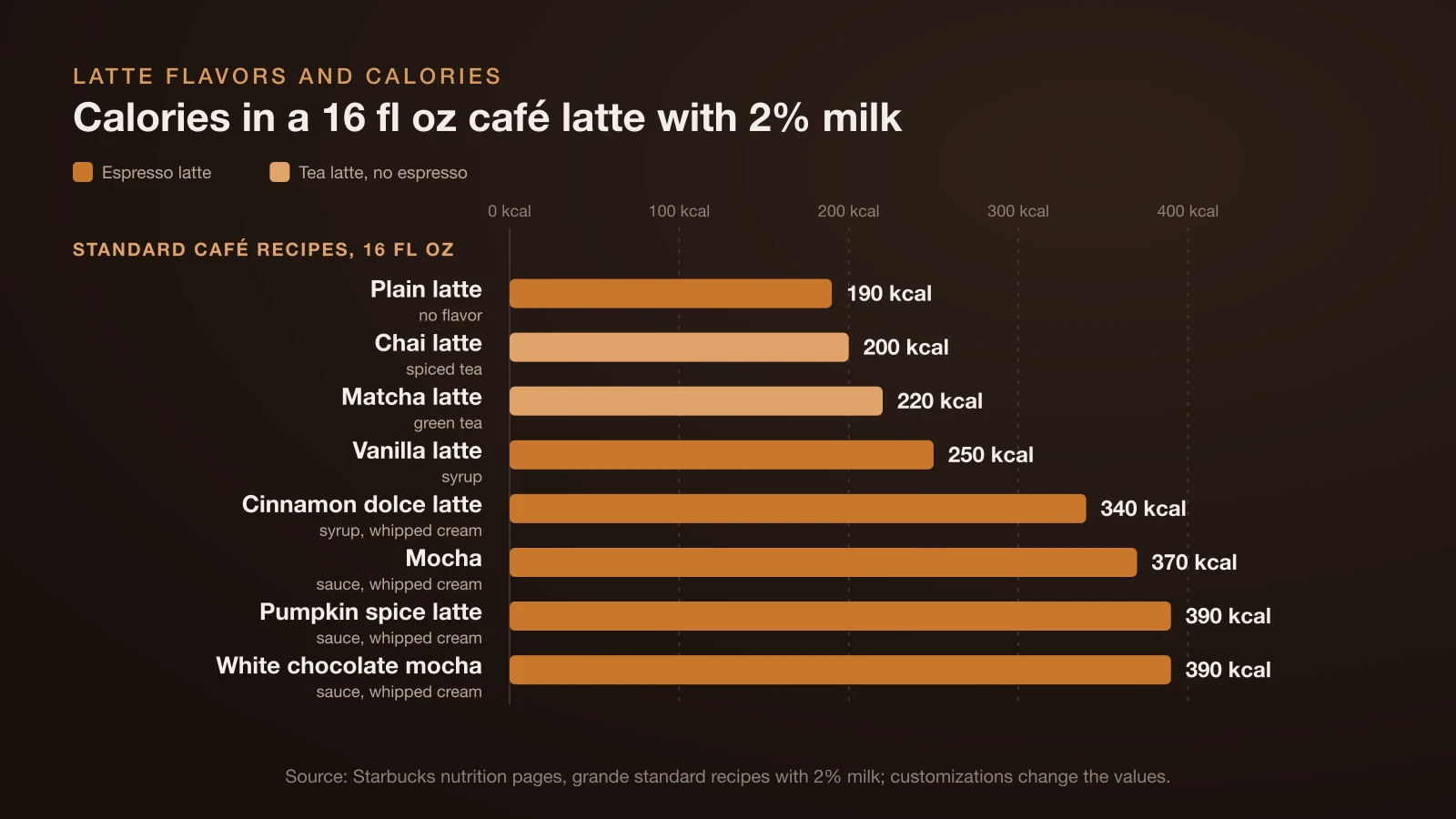
Latte flavors add roughly 60 to 200 kcal to a 16 oz (475 ml) café latte, depending on whether the drink uses a syrup or a sauce with whipped cream. Starbucks’ standard grande (16 fl oz) recipes, all made with 2% milk, show the range:
| Grande drink (2% milk) | Calories | Sugar |
|---|---|---|
| Caffè Latte (no flavor) | 190 kcal | 18 g |
| Chai Latte (tea, no espresso) | 200 kcal | 31 g |
| Matcha Latte (tea, no espresso) | 220 kcal | 29 g |
| Blonde Vanilla Latte | 250 kcal | 35 g |
| Cinnamon Dolce Latte (with whipped cream) | 340 kcal | 40 g |
| Caffè Mocha (with whipped cream) | 370 kcal | 35 g |
| Pumpkin Spice Latte (with whipped cream) | 390 kcal | 50 g |
| White Chocolate Mocha (with whipped cream) | 390 kcal | 46 g |
A vanilla syrup latte adds about 60 kcal over the plain one; the sauce-and-cream drinks add 150 to 200. For the milk side of the equation, including skim and almond milk, see our guide to calories in a latte.
The bottom line
The classic latte flavors are vanilla, caramel, hazelnut and chocolate, with spiced, nut, floral and seasonal flavors built the same way: a syrup or sauce stirred into espresso, then steamed milk. Types of lattes also vary by milk, temperature and base, and matcha, chai and golden milk “lattes” contain no espresso. A 1:1 simple syrup lets you make most flavors at home and control the sweetness.
Sources
- Starbucks nutrition and recipe pages (standard grande recipes with 2% milk, pumps by size, drink descriptions): Caffè Latte, Blonde Vanilla Latte, Cinnamon Dolce Latte, Caffè Mocha, White Chocolate Mocha, Pumpkin Spice Latte, Chai Latte, Matcha Latte, London Fog Latte, Pistachio Latte, Toasted Coconut Latte, Lavender Latte and Pecan Crunch Latte
- Starbucks at Home recipes: Homemade syrups, Simple Syrup, Vanilla Syrup, Cinnamon Dolce Syrup, Caramel Syrup, Blonde Vanilla Latte and Pistachio Latte (ratios, times, storage up to two weeks, syrup per drink)
- Breville: Latte recipe (“latte” means milk; milk at 60–65 °C, plant milk no more than 55 °C)